







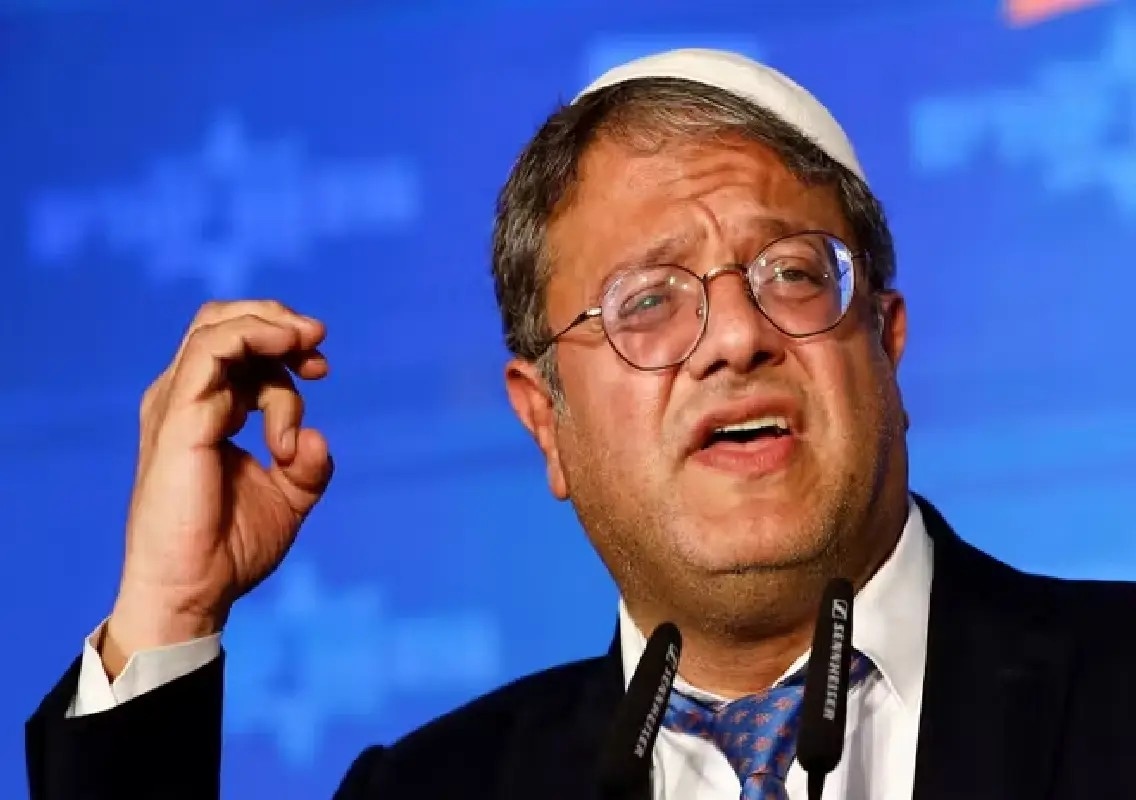


Jerusalem: Israeli National Security Minister Itamar Ben-Gvir has strongly criticised a reported US-brokered agreement with Iran, declaring that Israel would not be bound by any arrangement announced by US President Donald Trump and insisting that decisions concerning Israel’s security would be made independently.
The remarks came shortly after Trump announced that a deal with Iran had been finalised, including the lifting of a US naval blockade and the reopening of the strategically important Strait of Hormuz.
In a statement posted on social media, Ben-Gvir stressed that Israel remained a sovereign nation and would make its own security decisions irrespective of agreements reached by other countries.
Ben-Gvir stresses Israeli sovereignty
Ben-Gvir stated that while Israel values its relationship with the United States and appreciates support from Washington, national security decisions cannot be dictated from abroad.
He argued that Israel’s primary responsibility is to protect its citizens, military personnel and national interests. According to the minister, historical experience has shown that compromises made under international pressure have often carried significant security consequences.
The minister said he had repeatedly conveyed his concerns to Prime Minister Benjamin Netanyahu during discussions on major security matters.
Opposition to security concessions
The minister also made it clear that he opposed any agreement that, in his view, could weaken Israel’s security posture.
Ben-Gvir reiterated his demand for the dismantling of Hezbollah’s military capabilities and argued that Israel should not withdraw from territories captured during military operations if doing so could create future security risks.
He further warned against any arrangement that might limit Israel’s ability to respond to attacks originating from neighbouring territories.
According to his statement, maintaining deterrence and military freedom of action remains essential for Israel’s security strategy.
Benny Gantz also voices concerns
Criticism of the reported diplomatic initiative was not limited to members of the governing coalition.
Former Defence Minister and opposition leader Benny Gantz also expressed reservations about any agreement that could restrict Israel’s operational freedom.
Gantz stated that Israel should not accept conditions that might endanger residents in northern regions or limit the country’s ability to address security threats.
He described the reported agreement as a potential strategic challenge and said Israel could face diplomatic, military and legal complications in the years ahead depending on its final terms.
Trump announces agreement with Iran
The political reaction followed Trump’s announcement that an agreement with Iran had been completed after months of negotiations.
According to statements released by the US president, the agreement includes provisions related to maritime access through the Strait of Hormuz, one of the world’s most critical energy shipping routes.
The announcement was also welcomed by several international leaders, including Shehbaz Sharif, who indicated that an understanding had been reached between Washington and Tehran.
However, details of the agreement have yet to be fully disclosed publicly, and reactions from regional stakeholders continue to emerge.
Debate likely to continue
The reported deal has already triggered significant debate within Israel’s political establishment, with both coalition and opposition figures questioning aspects of the arrangement.
Observers note that concerns about regional security, Iran’s influence and Israel’s freedom of military action are likely to remain central issues as more details become available.
As discussions continue, Israeli leaders across the political spectrum appear united on one point: that any international agreement affecting regional security will be closely scrutinised to ensure it aligns with Israel’s national interests.