







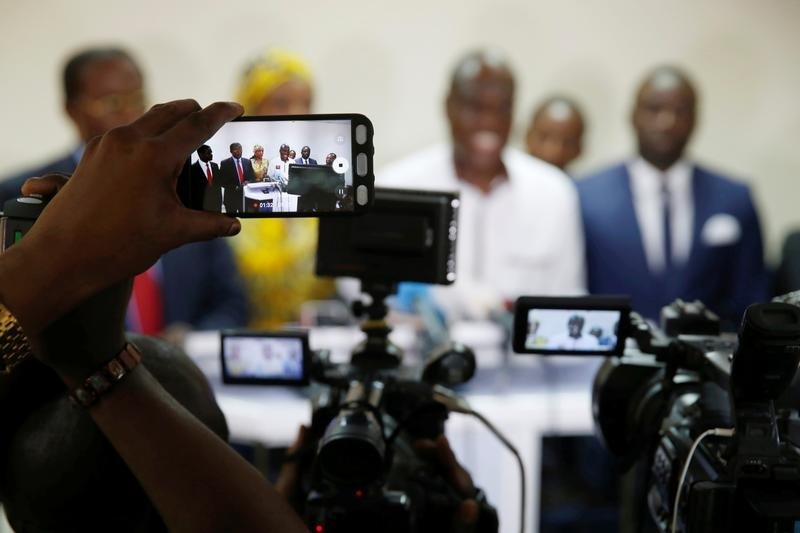


African journalism has always carried weight. It informs, challenges power, and reflects daily life across a vast and diverse continent. Yet for many years, some stories stayed quiet or reached audiences too late. Today, that pattern is changing. Live video discussions are opening space for faster dialogue, clearer voices, and stronger trust between journalists and the public. This shift is not cosmetic. It is structural, and it is redefining how news is made and shared.
From Print and Radio to the Live Screen
The continent’s news scene was led by print and broadcast for decades. They’re still vital in the countryside, yet modern apps now cover the chores they can’t handle. This transformation rests on our mobile devices. Recent GSMA figures reveal over 40 percent of people in Sub Saharan Africa now have mobile internet, and the share is still growing. With more people joining, discussions happen on the spot, not a week after the topic is posted.
Live video does something print cannot. It shows faces. It captures tone. It allows pauses, emotions, and direct responses. Using a random chat platform CallMeChat, the journalist asks. A source answers immediately. Viewers chime in as the conversation rolls on. No more stillness; talk now takes over.
Live Discussions as a New Public Square
Live discussions have become a modern public square. Journalists host conversations on social platforms, independent news sites, and regional media hubs. Citizens watch, comment, and sometimes join the discussion themselves. This changes the role of the audience. They are no longer passive readers. They are participants.
In countries where trust in traditional media has been fragile, this matters. A 2023 Afrobarometer survey showed that in several African nations, fewer than 50 percent of respondents fully trust national media. Live video discussions help close this gap. Transparency is visible. Editing is minimal. The process feels honest.
Digital Storytelling in Motion
Digital storytelling gains new strength through live formats. Stories are no longer fixed texts. They shift. They keep changing. Elections reporters can run a live chat that brings together observers, legal experts, and voters all in one day. As you share thoughts, we adjust each question so it fits the flow of conversation. We clear up facts on the fly.
By following this, even the toughest puzzles settle into plain view. Explaining subjects such as climate change, migration, or public health becomes a lot simpler when specialists talk straight to the audience and charts or images back up what they’re saying. When a point is fuzzy, ask a question instead of walking away confused. The story breathes.
The Power of Video Interviews
Video interviews sit at the heart of this transformation. Unlike written quotes, video interviews reduce the risk of misinterpretation. Audiences hear exact words and see body language. This is especially important in sensitive reporting, such as corruption investigations or human rights cases.
Statistics support this shift. Data from regional media research groups shows that video content in African newsrooms now generates up to 70 percent more engagement than text-only articles on social platforms. Engagement means comments, shares, and longer viewing time. It also means relevance.
Press Innovation Driven by Necessity
African journalists tend to devise new approaches because they must, not because they have spare resources. Limited budgets push newsrooms to experiment with affordable tools. Watching live video captures the moment exactly as it happens. You really only need three things: a phone, a solid internet line, and a straightforward editorial outline.
If you run a local shop, you’ll gain the most. They stay competitive with large companies by offering unmediated service and a deep, niche skill set. Whether it’s water rights, school reforms, or the next mayoral race, a nearby reporter can bring a live conversation to the audience instantly, sidestepping the need for nationwide focus. New ideas show up nearby, move fast, and get done.
Challenges That Remain
The shift is not without problems. Internet access is uneven. In some regions, data costs remain high. Language diversity also presents challenges. Africa has thousands of languages, and live discussions often default to colonial or national languages, leaving some voices out.
There is also the risk of misinformation. Live formats move quickly. Mistakes can spread fast if moderation is weak. Responsible African journalism must balance speed with verification. Training and clear editorial rules are essential.
Why This Shift Matters
Breaking the silence is not just a metaphor. Live video discussions allow marginalized voices to speak publicly. Women journalists, young reporters, and community activists gain visibility. Stories once filtered through layers of editing now reach audiences directly.
This matters for democracy. It matters for accountability. It matters for trust. When people see journalism happening live, they better understand how facts are gathered and questions are asked. The distance between newsroom and community shrinks.
Looking Ahead
Looking ahead, African journalism refuses to drop any of its classic tools, whether print, spoken, or written. Think of it as pairing live chats, online storytelling, and video interviews together. Instead of chasing every global fad, press innovators will fine tune their work to the realities people actually live in.
As bandwidth climbs, broadcasters can welcome a broader audience while polishing their streams. If a report drags, the initial quietness is replaced by back‑and‑forth talk. When audiences comment in real time, journalism turns into a shared moment rather than a closed product. When the moment arrives, African speakers speak with crystal clarity, far reaching power, and full autonomy.