







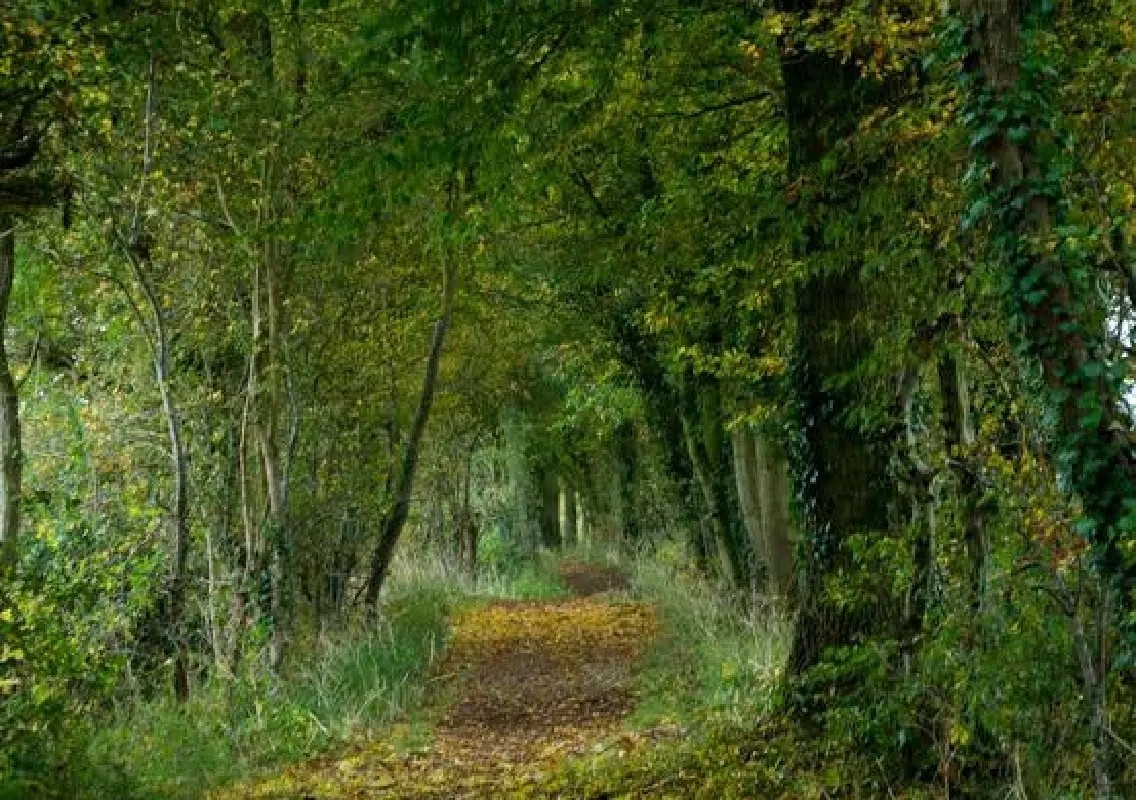


Gloucestershire : Britain is entering a new phase in its long effort to restore woodland, with thousands of young trees taking root across land that was previously used for farming. The change is significant for a country that remains among Europe’s less densely wooded nations, with woodland covering about 13% of the UK.
Near Gloucester in western England, Forestry England has planted around 127,000 saplings across an 88-hectare site. The young trees are being protected from deer and wild boar as they establish themselves.
Planting is only the beginning
Creating a forest involves much more than putting trees in the ground. Young woodlands need protection, monitoring and long-term management to ensure that healthy trees survive and diverse habitats develop.
Britain has increased its efforts to create new woodland in recent years. The government’s Western Forest project, for example, aims to plant 20 million trees across 2,500 hectares by 2030.
But conservationists and foresters increasingly recognise that simply allowing every tree to grow indefinitely is not necessarily the best approach.
Why some trees must be cut
Selective felling can give stronger trees more room, produce timber and help create a varied woodland structure. Managed forests can also provide habitats at different stages of growth while supplying a domestic source of timber.
Britain has historically relied heavily on imported forest products, making productive woodland economically important alongside its environmental value.
The challenge is finding the right balance. New forests must support biodiversity and climate goals while remaining resilient to disease, pests and changing weather.
A different way to think about forests
For a country rebuilding its tree cover, the next lesson may be that successful forestry is not simply about planting as many trees as possible. It is about growing the right trees, protecting them and knowing when carefully planned cutting can make the entire woodland healthier.
Britain’s woodland revival may therefore require not fewer forests, but better-managed one.