







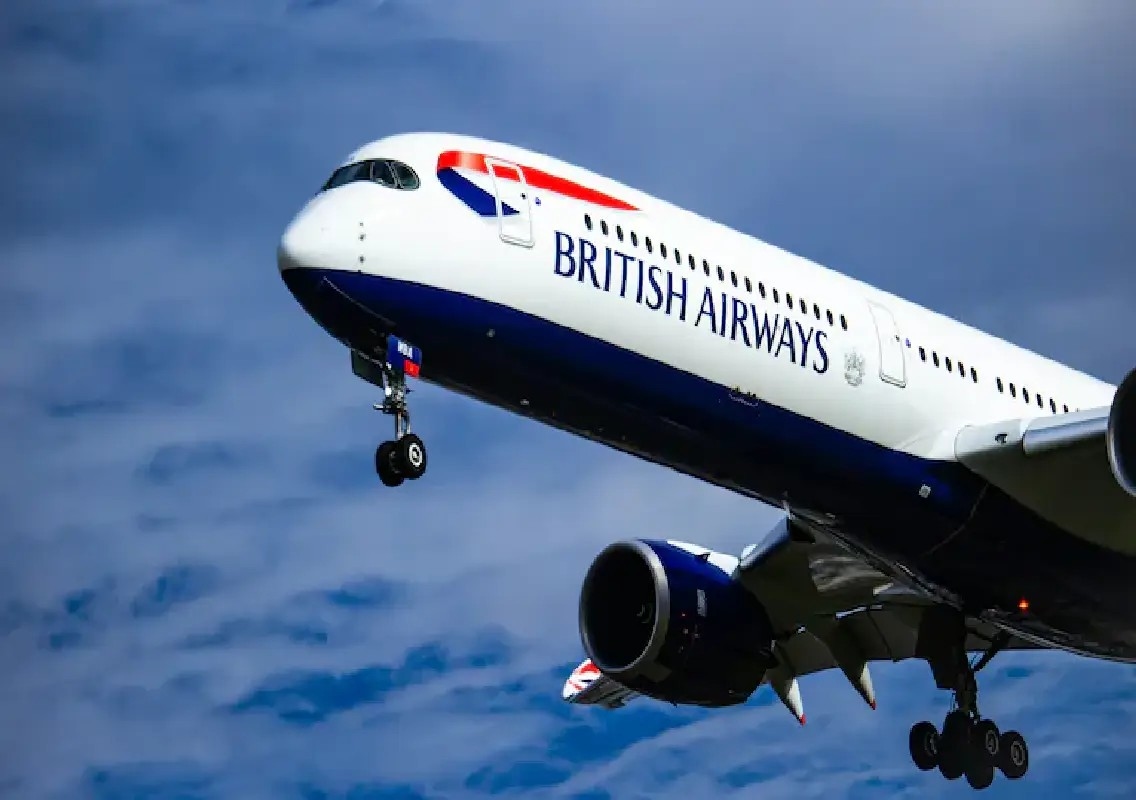


Tokyo: A British Airways flight from Tokyo to London was briefly delayed after a passenger’s smartphone caught fire while the aircraft was taxiing for take-off at Haneda Airport, raising fresh concerns over the risks posed by lithium-ion batteries on commercial flights.
The incident occurred on June 18 when the London-bound aircraft had begun moving towards the runway shortly after 1 pm local time. Smoke was suddenly reported from inside the cabin, prompting an immediate response from the crew and airport authorities.
There were 211 passengers and crew members onboard, and no injuries were reported.
Smartphone ignites inside passenger’s luggage
According to reports citing Japan’s transport ministry and the Tokyo Fire Department, the source of the smoke was identified as a smartphone that had caught fire inside a passenger’s baggage.
A crew member reportedly alerted authorities at around 1.10 pm after noticing smoke emerging from the cabin. The cabin crew acted swiftly and used an onboard fire extinguisher to put out the flames before the situation could escalate.
The quick response by the crew prevented the incident from turning into a major emergency.
Aircraft returns to parking stand
Following the fire, air traffic control instructed the aircraft to return to its parking stand as a precautionary measure.
Emergency personnel and firefighters subsequently boarded the aircraft and conducted a thorough inspection of the cabin to ensure there was no further risk.
After completing safety checks and declaring the aircraft safe for operation, authorities allowed the flight to resume its journey to London. The incident delayed the departure by around an hour.
Passengers reportedly disembarked and reboarded the aircraft in an orderly manner while emergency procedures were carried out.
British Airways issues statement
British Airways later confirmed the incident and reiterated that passenger safety remained its highest priority.
“The safety of our customers and crew is the highest priority. The flight operated safely, and customers disembarked normally,” the airline said in a statement.
The airline did not disclose details about the passenger whose smartphone caught fire or the make and model of the device involved.
Second incident involving British Airways in a week
The Haneda Airport incident was reportedly the second such occurrence involving British Airways within the same week.
Just days earlier, another British Airways flight travelling from London to Las Vegas experienced a cellphone fire during the journey. Reports indicated that the device fire had scorched part of the cabin, prompting the crew to seek assistance before landing.
The back-to-back incidents have once again highlighted the growing safety concerns surrounding lithium-ion batteries used in smartphones, tablets, laptops and power banks.
Rising concerns over lithium-ion battery fires
Aviation authorities around the world have increasingly warned about the dangers posed by damaged or defective lithium-ion batteries, which can overheat and catch fire due to a phenomenon known as thermal runaway.
The number of battery-related incidents on commercial aircraft has risen globally in recent years as passengers carry multiple electronic devices during travel.
Airlines have consequently tightened rules regarding the carriage and charging of portable electronic devices and power banks. Many carriers now prohibit placing spare lithium batteries in checked baggage and advise passengers to keep electronic devices within reach during flights.
Aviation experts note that while such incidents remain relatively rare, the confined environment inside an aircraft makes any fire involving lithium-ion batteries a serious safety concern.
The latest incident at Tokyo’s Haneda Airport serves as another reminder of the importance of adhering to airline safety guidelines regarding electronic devices and battery-powered equipment while travelling.