







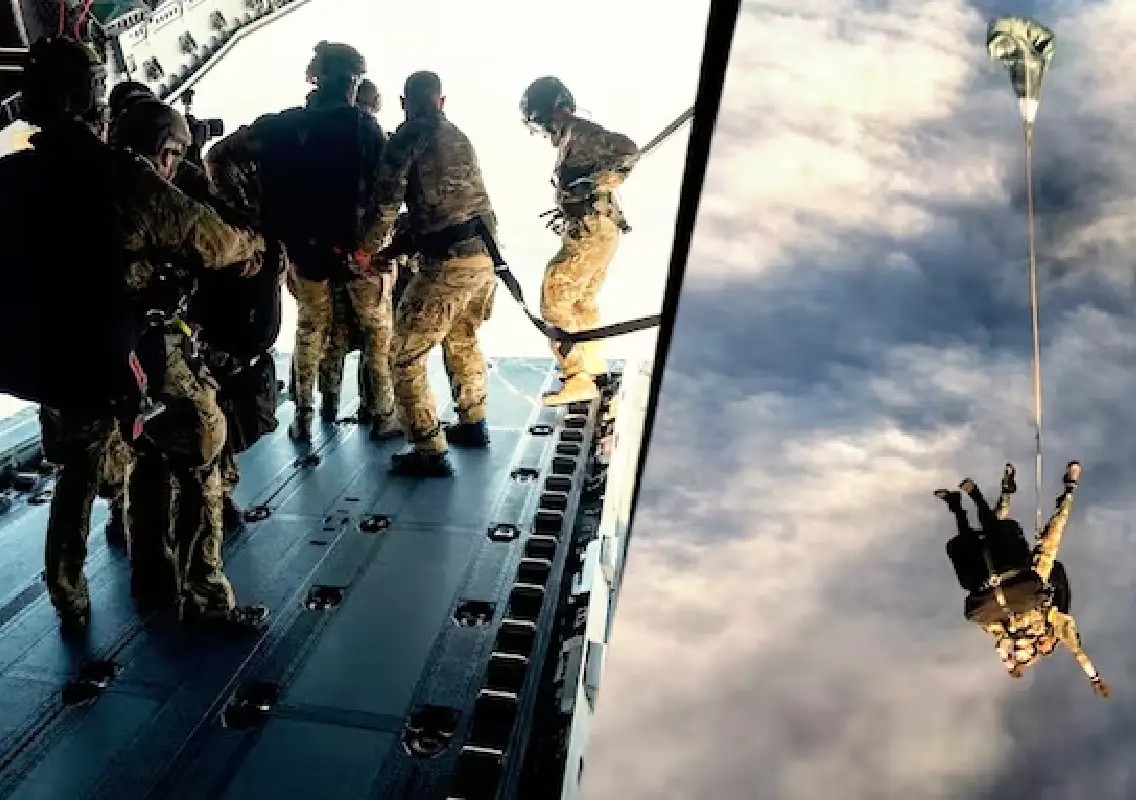


British Army medical personnel have parachuted onto the remote South Atlantic island of Tristan da Cunha to assist a British national suspected of contracting hantavirus, according to international reports.
The emergency medical response was launched due to the island’s extreme isolation and limited healthcare facilities. Tristan da Cunha, considered one of the most remote inhabited islands in the world, lies thousands of kilometres from mainland Africa and South America.
Reports indicate the patient developed symptoms consistent with hantavirus infection, prompting urgent intervention from specialised medical teams. British military medics were deployed to provide advanced treatment and assess the individual’s condition.
Hantavirus is a rare viral disease primarily transmitted through contact with infected rodents or their waste. Symptoms often begin with fever, fatigue, headaches, and muscle pain, but severe cases can progress to serious respiratory complications.
Health officials have not confirmed the source of exposure, but investigations are underway to determine whether the infection was linked to environmental rodent contact.
The operation highlights the logistical challenges of medical emergencies in remote territories, where access to advanced healthcare and emergency evacuation options can be extremely limited.
Authorities stressed that hantavirus infections remain uncommon and that most strains do not spread easily between humans. Public health experts continue to emphasise hygiene and rodent-control measures as the primary methods of prevention.
About Tristan da Cunha
Tristan da Cunha is a British Overseas Territory located in the South Atlantic Ocean. The island is known for its isolation, rugged terrain, and small population.
What is hantavirus?
Hantavirus refers to a group of viruses carried mainly by rodents. Human infection usually occurs through inhalation of airborne particles contaminated by rodent urine, saliva, or droppings..