







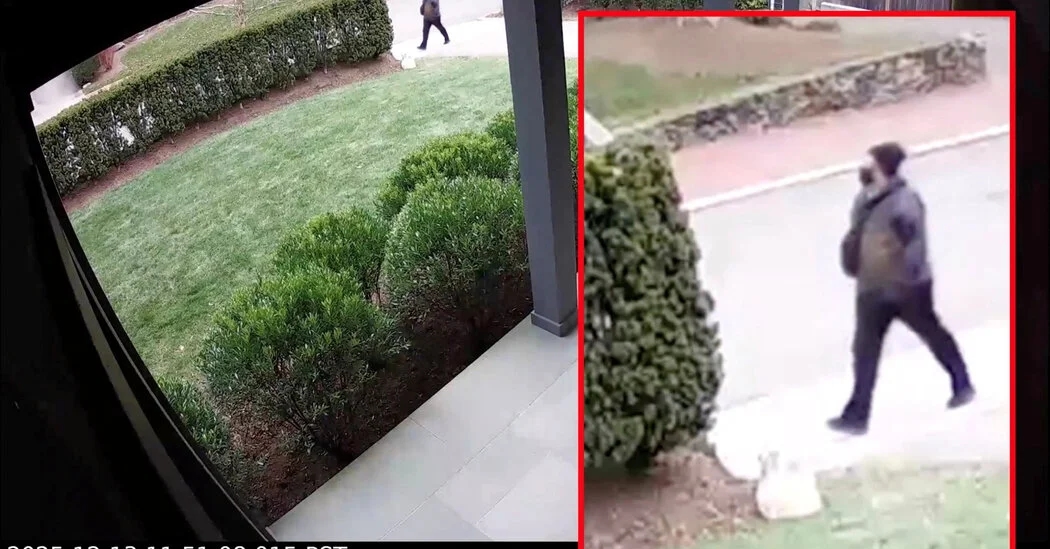


The December 13 shooting at Brown University in Providence, Rhode Island, has pushed one of America’s most elite institutions into a troubling national pattern. Two students were killed and nine others injured after gunfire erupted inside the Barus and Holley engineering building during a study session ahead of final exams. The suspect remains at large, with federal and local agencies continuing their search.
In the aftermath, Brown cancelled remaining examinations and academic work for the semester. Students have spoken of fear, confusion and frustration, questioning how existing alert systems, surveillance coverage and response mechanisms failed to prevent or contain the attack.
Why Brown matters beyond Rhode Island
The shock surrounding the shooting stems not only from the violence, but from where it occurred. Ivy League campuses have long been viewed as “protected spaces” in the American imagination. Data suggests that assumption no longer holds.
According to a CNN database, Rhode Island had not recorded a school shooting since at least 2008. Brown’s case therefore became the state’s first entry in nearly two decades. The rarity amplified the trauma, but it also reinforced a broader reality: elite status, geography and academic prestige do not offer immunity in a country where firearms are widely accessible and campuses remain structurally open.
A year marked by campus violence
Brown’s tragedy did not occur in isolation. Across 2025, gun violence repeatedly intersected with educational spaces. CNN’s school shootings database records at least 75 school-related shootings in the US this year up to December 13. Of these, 43 occurred on college or university campuses, and 32 on K–12 grounds, leaving at least 31 people dead and more than 100 injured.
Education Week’s narrower tracker, focused only on K–12 incidents resulting in injury or death, counted 17 such shootings in 2025. The differing numbers reflect methodology, but together they show a persistent pattern: shootings linked to schools are frequent, and fatal outcomes remain a recurring risk.
For background, see School shooting – Wikipedia.
Structural gaps in campus safety
Student questions at Brown echo those heard nationwide after similar attacks. Experts increasingly point to structural issues rather than isolated failures.
Most US campuses are designed to be open and permeable, a cultural value that now functions as a vulnerability. Security systems are often uneven — cameras may cover entrances and main paths but not interiors of older academic buildings. Reports indicate limited internal surveillance at the Brown site, complicating investigations.
Alert systems, though layered, can also fragment information during crises, leaving students unsure of what is happening in real time.
An uncomfortable conclusion
The US has refined how it responds to campus shootings, but has struggled to reduce their occurrence. Brown’s shooting will eventually fade from headlines, but it underscores a stark truth: as long as campuses remain open by design and reactive by protocol, such tragedies are likely to continue.