









Sacramento: The California State Assembly has adopted a resolution recognising November 8, 2026, as Diwali Day and encouraging people across the state to participate in celebrations of the Festival of Lights. The resolution also expressed respect for Indian Americans and the wider Indian diaspora in California and around the world.
The resolution was moved by Assembly members Darshana Patel and Ash Kalra and was adopted by the Assembly on Thursday. It specifically recognises this year’s Diwali festival, which falls on Sunday, November 8, 2026.
California recognises Diwali Day
The California Assembly’s resolution calls on Californians to take part in Diwali celebrations and acknowledges the festival’s cultural, religious and historical significance.
The resolution described Diwali as a festival of major importance to Indian Americans and South Asian Americans. It noted that the festival is celebrated by Hindus, Sikhs, Buddhists and Jains across the United States and other parts of the world.
The recognition comes in a state with a large and diverse Indian American population. California has long been home to communities from across India and South Asia, with cultural organisations and families celebrating Diwali through religious ceremonies, community gatherings and public events.
Resolution moved by Darshana Patel and Ash Kalra
The resolution was introduced by California Assembly members Darshana Patel and Ash Kalra.
Both lawmakers have been prominent voices representing the state’s Indian American community. Their resolution seeks to highlight the importance of Diwali not only as a religious festival but also as an occasion that brings communities together.
The Assembly’s recognition also acknowledges the contribution of Indian Americans and the Indian diaspora to California’s social and cultural life.
Diwali falls on November 8 this year
According to the resolution, California will recognise Sunday, November 8, 2026, as this year’s Diwali Day.
The date is also listed as Diwali on the holiday calendar of the Consulate General of India in Los Angeles.
Diwali follows the Hindu lunar calendar, meaning its date changes each year on the Gregorian calendar. The festival is commonly associated with the lighting of lamps, family gatherings, prayers, festive meals and celebrations.
Festival of Lights
Diwali is widely known as the Festival of Lights.
The California resolution explained that the name Deepavali refers to a “row of lamps” and highlighted the festival’s association with light, knowledge, prosperity and positivity.
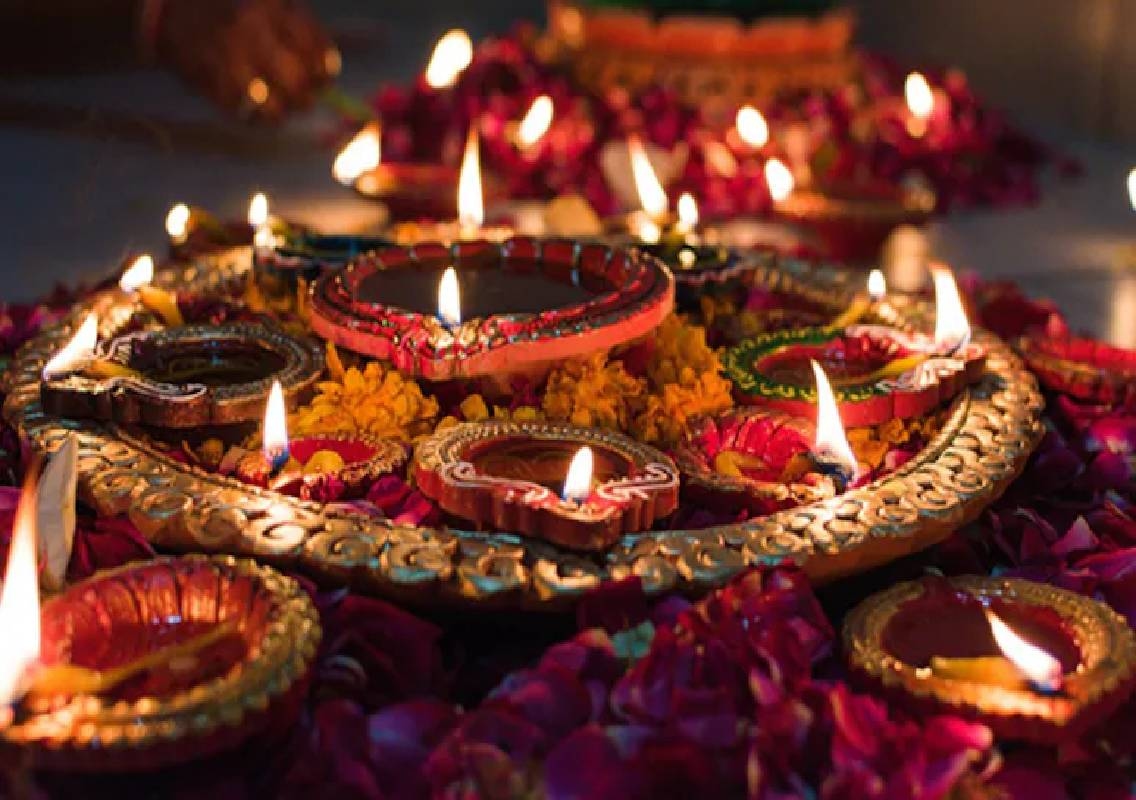
Homes are traditionally decorated with candles, oil lamps and diyas, while families and communities come together for celebrations.
The resolution also highlighted Diwali’s broader themes, including generosity, unity, joy, appreciation and reflection.
Celebrated by multiple communities
Although Diwali is strongly associated with Hindu traditions, the festival has significance for several religious communities.
The California resolution specifically noted celebrations among Hindus, Sikhs, Buddhists and Jains.
For many Hindus, Diwali is associated with the triumph of good over evil and the return of Lord Rama to Ayodhya. For Sikhs, the festival coincides with Bandi Chhor Divas, while Jains associate Diwali with the attainment of moksha by Mahavira.
Different communities observe the occasion through their own religious traditions and customs.
Focus on unity and positivity
The California Assembly’s resolution went beyond recognising Diwali as a cultural celebration.
It described the festival as a time associated with overcoming negativity, embracing positivity, showing humility and maintaining kindness despite personal challenges.
The resolution also linked Diwali with knowledge, personal growth and transformation.
These themes have helped Diwali gain broader recognition outside South Asian communities, particularly in regions with large Indian and South Asian populations.
Indian American community welcomed
The resolution specifically expressed respect for Indian Americans and the Indian diaspora in California and around the world.
California has one of the largest Indian American populations in the United States, with Indian-origin communities playing an important role in sectors including technology, healthcare, education, business and public service.
For the community, official recognition of Diwali provides another platform to highlight Indian heritage and cultural traditions.
Diwali celebrations growing across the US
Diwali has received increasing recognition from governments, schools, universities and public institutions across the United States.
Several American cities and states have introduced Diwali-related observances and celebrations in recent years, reflecting the growing presence of South Asian communities.
The California resolution adds to this wider recognition while specifically encouraging residents across the state to participate in the 2026 festival.
Not listed as a statewide public holiday
The Assembly’s resolution should not be confused with the creation of a new statewide public holiday.
California’s official 2026 state holiday calendar does not list Diwali among the state’s statutory holidays.
Instead, the Assembly resolution formally recognises this year’s Diwali and encourages Californians to celebrate it.
This distinction means the resolution is primarily a recognition and celebration measure rather than a change that automatically gives residents a day off from work or school.
Significance for California’s diverse population
California is among the most culturally diverse states in the US, making public recognition of festivals from different communities particularly significant.
The Diwali resolution highlights the role of cultural celebrations in bringing different communities together.
By encouraging Californians to participate in Diwali, the Assembly has also presented the festival as an occasion centred on shared values such as generosity, kindness, hope and unity.
A growing cultural presence
The recognition reflects the growing visibility of Indian culture in California.
Diwali celebrations are increasingly held at workplaces, universities, community centres and public spaces, alongside traditional family and religious gatherings.
Indian American organisations often organise cultural programmes featuring music, dance, food, traditional clothing and religious ceremonies around the festival.
The Assembly’s resolution gives additional official recognition to these community celebrations.
What the resolution says about Diwali
The resolution describes Diwali as a time for families, friends and communities to come together.
It highlights themes of generosity, unity, joy, appreciation and reflection, while also connecting the festival with knowledge, kindness and transformation.
The resolution also refers to the lighting of candles, oil lanterns and clay lamps, as well as the traditional use of fireworks during celebrations.
These elements are part of the diverse ways in which Diwali is observed by communities around the world.
Diwali 2026 in California
With November 8 falling on a Sunday, communities across California are expected to organise celebrations around the festival date.
The recognition could encourage more public institutions, community groups and residents to participate in events marking the occasion.
For Indian American families, it also provides an opportunity to share their traditions with friends, neighbours and colleagues from other backgrounds.
Conclusion
The California State Assembly has recognised November 8, 2026, as Diwali Day, encouraging people across the state to participate in celebrations of the Festival of Lights. The resolution was moved by Assembly members Darshana Patel and Ash Kalra and adopted on Thursday.
The resolution highlights Diwali’s importance to Indian Americans and South Asian Americans and recognises that the festival is celebrated by Hindus, Sikhs, Buddhists and Jains. It also describes Diwali as a celebration of unity, generosity, knowledge, positivity and reflection.
The move does not make November 8 a statewide public holiday, as Diwali is not included on California’s official 2026 state holiday calendar.
Nevertheless, the formal recognition represents a significant acknowledgement of the Indian American community and the growing cultural presence of Diwali in California.