







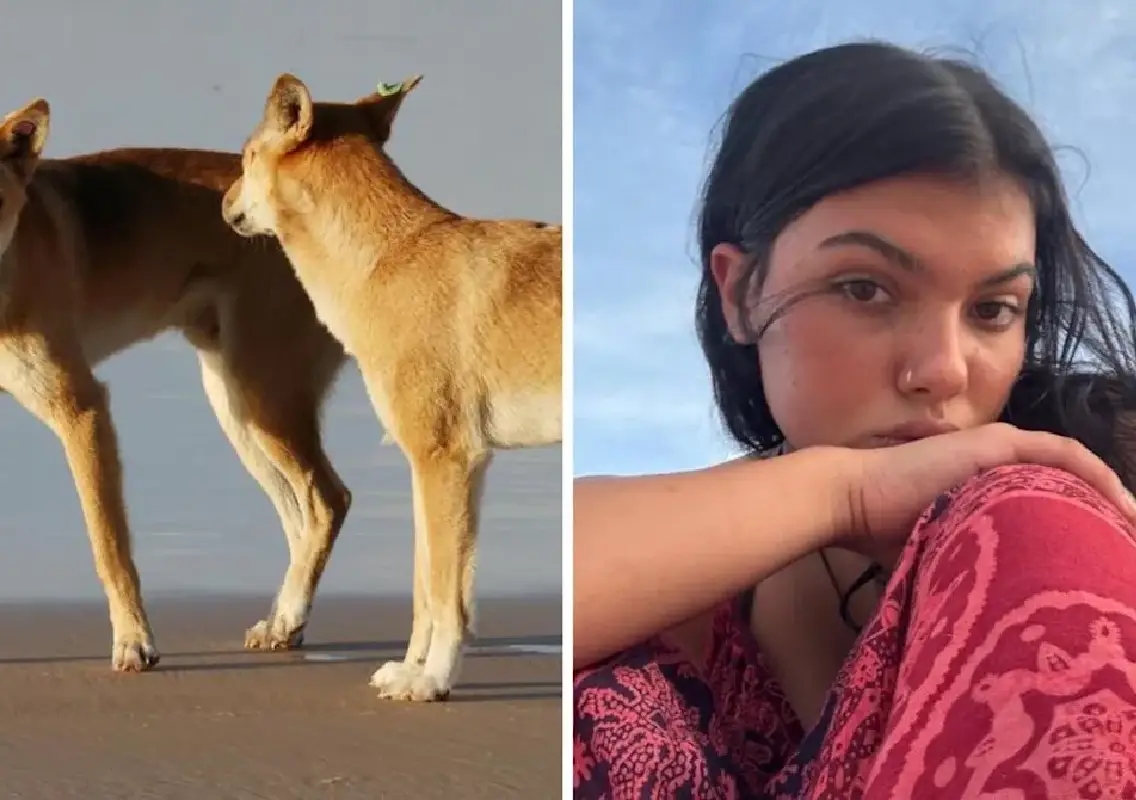


The death of a 19-year-old Canadian woman on K’gari has reignited debate in Australia over human–wildlife conflict, overtourism and the protection of dingoes on the World Heritage-listed island.
The body of Piper James was discovered in the early hours of Monday on a remote stretch of beach near a shipwreck on the island, formerly known as Fraser Island. Initial reports said her body was being mauled by a pack of dingoes when found.
Coroner’s findings so far
Queensland police initially raised multiple possibilities, including drowning and a fatal dingo attack. On Friday night, the Queensland Coroners Court said a preliminary autopsy found evidence consistent with drowning, along with injuries consistent with dingo bites.
However, the coroner noted that the pre-mortem dingo bite marks were “not likely to have caused immediate death”. Extensive post-mortem bite marks were also found. Further pathology results are awaited and are expected to take several weeks. Authorities said there is no evidence that any other person was involved.
Grief and questions
Piper’s father, Todd James, confirmed her identity two days after the incident, describing her as his “precious little baby girl”. Images shared by the family showed a young woman who loved adventure, the outdoors and family life, deepening the public’s sense of shock and grief.
Dingoes, culture and conservation
K’gari is home to a small population of genetically distinct dingoes, known as wongari to the Butchulla people, the island’s Traditional Owners. The animals are considered sacred and form a key part of the island’s cultural and ecological identity.
Experts estimate that only 100–200 dingoes live on the island, making the population highly vulnerable. Any loss, researchers warn, could be catastrophic for their long-term survival.
Overtourism concerns resurface
The tragedy has revived calls from conservationists to address overtourism on K’gari. The island attracts hundreds of thousands of visitors annually, with authorities repeatedly warning tourists not to feed or approach dingoes.
Queensland Premier David Crisafulli said the government would wait for the full coronial findings before responding, declining to comment on suggestions of a dingo cull.
Wildlife experts argue the issue is rooted in human behaviour rather than animal aggression, stressing that responsible tourism and stricter visitor management are key to preventing future tragedies.