







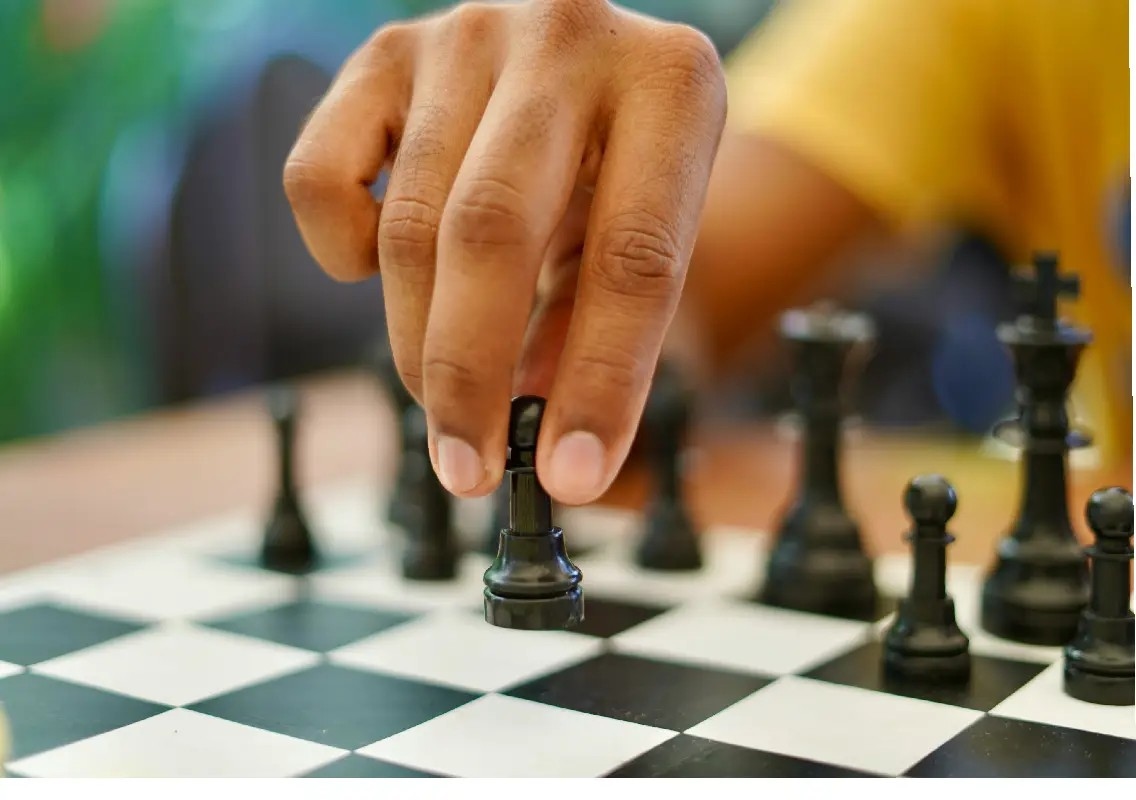


A community initiative is seeking support to bring the benefits of chess to around 5,000 Rohingya refugee children living in Cox’s Bazar, Bangladesh, using the game as a tool for learning, connection and emotional support.
The programme, led by Movement in Refuge, is working to expand access to chess among children growing up in refugee camps. The initiative sees chess not only as a recreational activity but also as a way of developing concentration, strategic thinking, patience and problem-solving skills.
Chess offers children a space to learn
For children living in difficult circumstances, structured activities can provide an important sense of routine and community. Chess sessions can give young participants an opportunity to learn alongside their peers while developing skills that can support their education.
The programme has already introduced chess to refugee children and is now seeking additional support to extend its reach to thousands more.
The organisers believe the game can help create a positive learning environment where children can spend time away from the pressures of life in the camps.
Supporting children through education and play
The initiative reflects broader efforts to provide refugee children with opportunities beyond basic humanitarian assistance. Education, recreation and community activities can play an important role in helping children maintain a sense of normality despite displacement.
Movement in Refuge is seeking further backing to expand the programme and make chess available to more children in Cox’s Bazar.
The initiative’s goal of reaching 5,000 children highlights how a simple board game can become part of a wider effort to support learning, social interaction and hope among young refugees.