







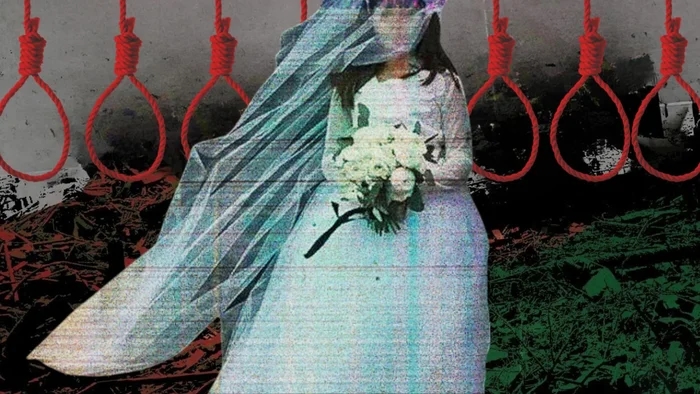


A child bride who spent seven years awaiting execution in Iran has been spared after her husband’s family agreed to pardon her in exchange for blood money. Goli Kouhkan, now 25, had faced imminent execution this month in Gorgan central prison after being convicted of involvement in the death of her abusive husband in 2018. She was only 18 when she was arrested and later sentenced under Iran’s qisas law, which allows retribution-in-kind unless the victim’s family forgives the accused.
Kouhkan’s case drew international outcry after human-rights groups highlighted her background of child marriage, domestic violence and systemic legal bias. UN experts earlier noted that the case “exemplifies the systemic gender bias faced by women victims of child marriage and domestic violence within Iran’s criminal justice system”.
Blood money target reduced after global attention
Under Iranian law, families may pardon a convicted person if financial compensation is offered. Initially, the amount demanded for Kouhkan’s release was an unaffordable 10 billion tomans. Her lawyer later confirmed that the sum was reduced to 8 billion tomans – still substantial for a young, undocumented Baluch woman from a marginalised community. Donations from around the world eventually met the target, enabling the victim’s parents to sign formal forgiveness documents.
According to rights organisations, Kouhkan endured years of violent abuse. Forced to marry her cousin at 12, she gave birth at 13 and lived in a cycle of physical and emotional harm. On the day of her husband’s death, she found him beating their son, then five. A fight ensued after she sought help from a relative, leading to the fatal altercation. The relative, Mohammad Abil, remains on death row.
Hope for reunion and fresh scrutiny of Iran’s execution laws
Advocates say the case highlights Iran’s high execution rate for women, especially victims of forced marriage or domestic abuse. At least 241 women have been executed since 2010, many under qisas. Activists argue that preventing such deaths requires major legal reform.
Kouhkan now hopes to reunite with her son, who is entitled to part of the blood money to support his future.