









Kabul: Dozens of people, including women and children, were killed in eastern Afghanistan on Sunday after Pakistan carried out what it described as “intelligence-based targeted strikes” on militant hideouts near the border, Afghan officials said.
The strikes reportedly hit parts of Nangarhar and Paktika provinces, both of which border Pakistan. While Afghan authorities did not release an official death toll, local reports indicated that at least 17 members of a single family were among those killed.
Afghanistan government spokesperson Zabihullah Mujahid condemned the operation, alleging that civilians had been targeted. “Last night, they bombed our civilian compatriots in Nangarhar and Paktika provinces, killing and wounding dozens of people, including women and children. Pakistani generals compensate for their country’s security weaknesses through such crimes,” he said in a statement.
Civilian casualties reported
Afghan broadcaster TOLOnews, citing provincial officials, reported that the Pakistani military targeted a residential home in the Behsud district of Nangarhar province. According to the report, 23 members of a family were buried under rubble after the strike, with only four pulled out alive as rescue operations continued.
A social media account operating under the name “Afghanistan Defense” also claimed that 19 members of a single household were present during the strike in Behsud, with only two survivors. These claims could not be independently verified.
Rescue efforts were reportedly hampered by the scale of destruction, as local residents and emergency workers worked to retrieve bodies from debris through the night.
Pakistan confirms operation
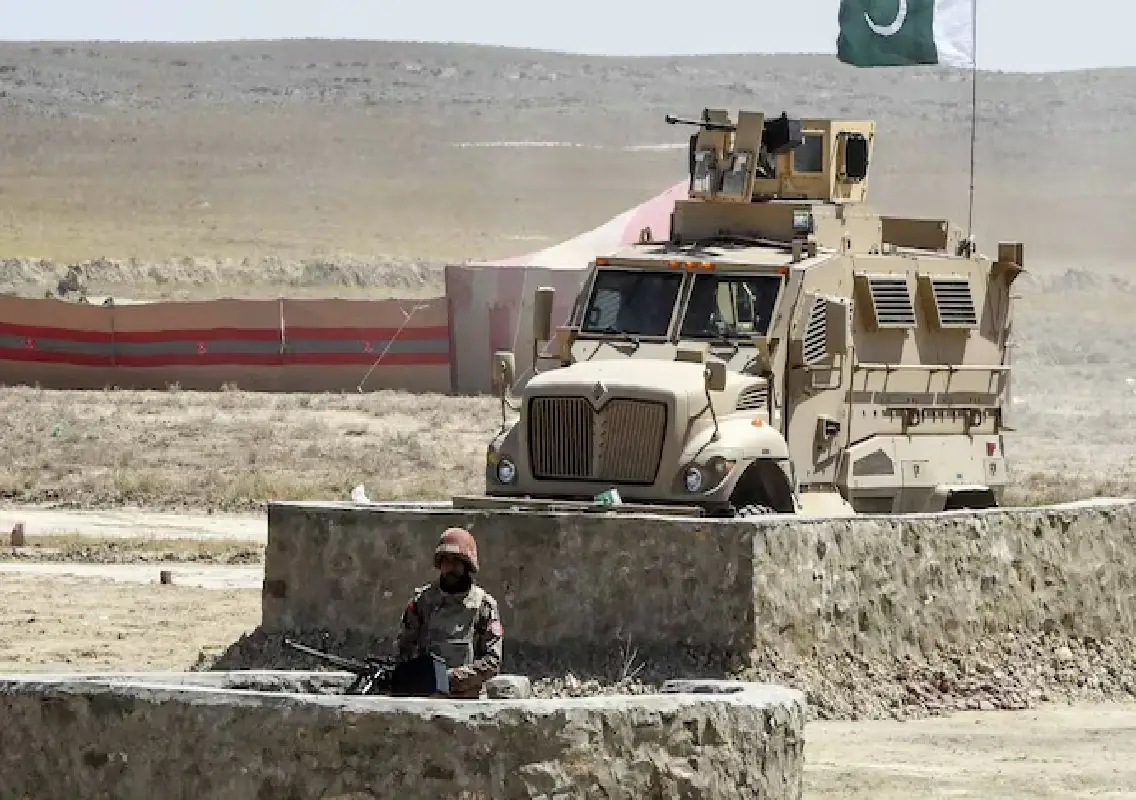
Pakistan confirmed conducting the airstrikes, stating they were aimed at militant camps and hideouts linked to cross-border attacks.
Information Minister Attaullah Tarar said in a post on X that Pakistan had carried out “intelligence-based selective targeting of seven terrorist camps and hideouts belonging to the Pakistani Taliban and its affiliates in the border region.” He cited three recent attacks in Pakistan since the start of Ramadan as justification for the operation.
Pakistani media, quoting security sources, reported that the operation targeted seven camps associated with Fitna al Khwarij (FAK), its affiliates, and the Islamic State’s Khorasan Province. Officials described the strikes as being conducted “with precision and accuracy” in response to recent suicide attacks in Islamabad, Bajaur and Bannu.
Rising cross-border tensions
The airstrikes followed a surge in deadly attacks inside Pakistan, including a suicide bombing near the Afghan border that killed 11 soldiers and a child, and another assault in Bannu that left two security personnel dead. Islamabad has blamed armed groups allegedly operating from Afghan territory for the violence.
Pakistan has repeatedly accused Afghanistan’s Taliban-led administration of failing to prevent militant groups from using its soil to plan and execute cross-border attacks — an allegation Kabul has consistently denied.
Pakistani authorities said they possessed “conclusive evidence” that recent attacks, including a mosque bombing in Islamabad that killed dozens, were directed by leaders based in Afghanistan. Islamabad has urged the international community to pressure Kabul to act against such groups.
Diplomatic fallout likely
The latest strikes risk further straining already tense relations between the two neighbouring countries. In recent months, the border has witnessed periodic clashes, temporary closures and diplomatic exchanges marked by sharp rhetoric.
Afghanistan has previously warned that unilateral military action inside its territory violates sovereignty and could escalate tensions. Pakistan, on the other hand, maintains that it reserves the right to act in self-defence against groups threatening its national security.
With civilian casualties being reported and both sides hardening their positions, the situation along the volatile border remains precarious. Observers say sustained dialogue and coordinated counterterrorism efforts will be crucial to preventing further escalation between the two nations.