







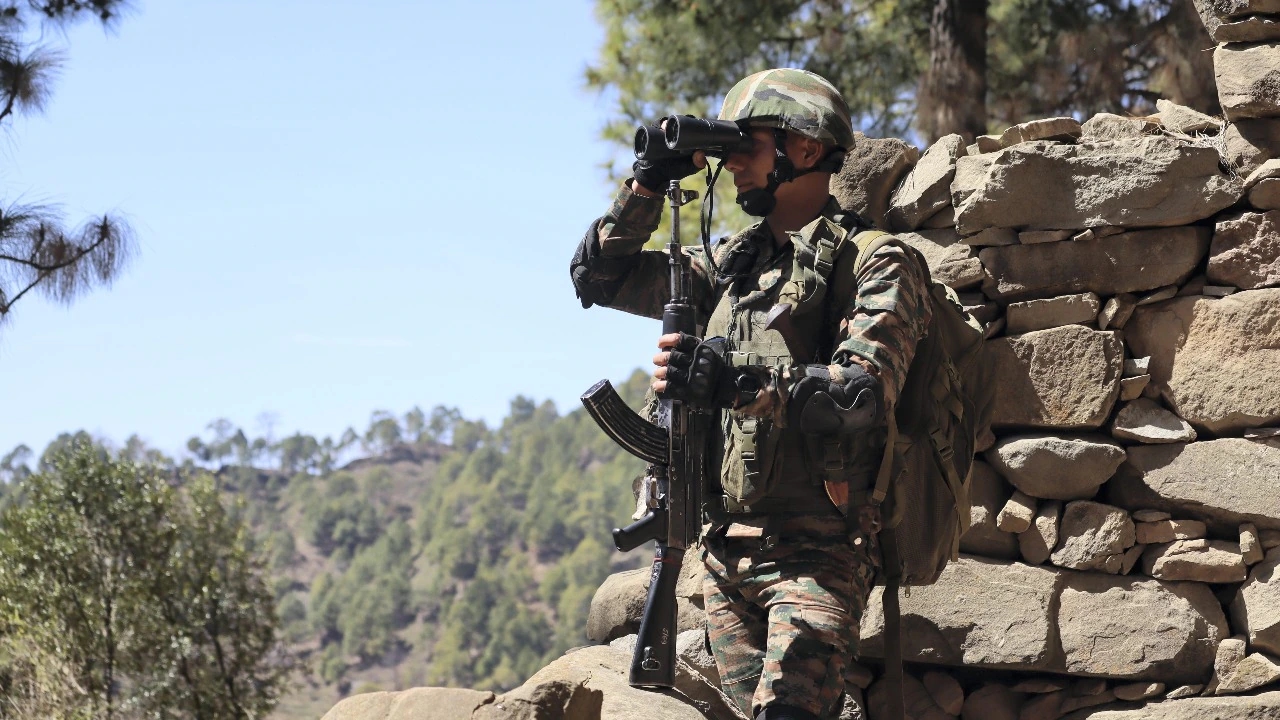


A fragile Easter ceasefire announced by Russian President Vladimir Putin unraveled swiftly as both Russia and Ukraine blamed each other for breaching the temporary peace. The 30-hour truce, intended to span from Saturday evening to Sunday midnight, was supposed to offer a moment of calm amid over three years of relentless conflict.
Ukrainian leader Volodymyr Zelensky alleged that Moscow’s forces persisted with bombings and ground offensives, ignoring the agreed suspension of combat. He reported nearly 387 shelling incidents and 19 ground attacks in the initial hours of the truce. According to Ukrainian commanders, Russia also launched over 290 drone operations during that period.
While Ukraine’s air force noted no fresh missile or drone strikes early Sunday, explosions were still heard near the eastern front line by AFP correspondents. Zelensky accused Russia of orchestrating isolated attacks to falsely portray ceasefire compliance.
On the other side, Russia’s defense ministry stated Ukrainian forces attempted to overrun Russian positions in Donetsk, claiming to have deflected 900 drone strikes and over 400 shelling efforts. The Kremlin insisted its troops remained in place and honored the ceasefire.
Putin had called for the ceasefire citing “humanitarian concerns,” urging readiness against possible Ukrainian provocations. Zelensky responded by expressing willingness to uphold and even prolong the truce by 30 days—an offer he said could “give peace a chance.” But Kyiv residents voiced deep distrust of Moscow’s intentions, citing previous ceasefire failures.
- Ducks, dresses and distance: Meghan’s Easter moment contrasts royal tradition
- Beloved Papa Francis finally bids His children goodbye on an Easter Monday
#WarInUkraine #CeasefireBreach #RussiaUkraineConflict #HopeForPeace