







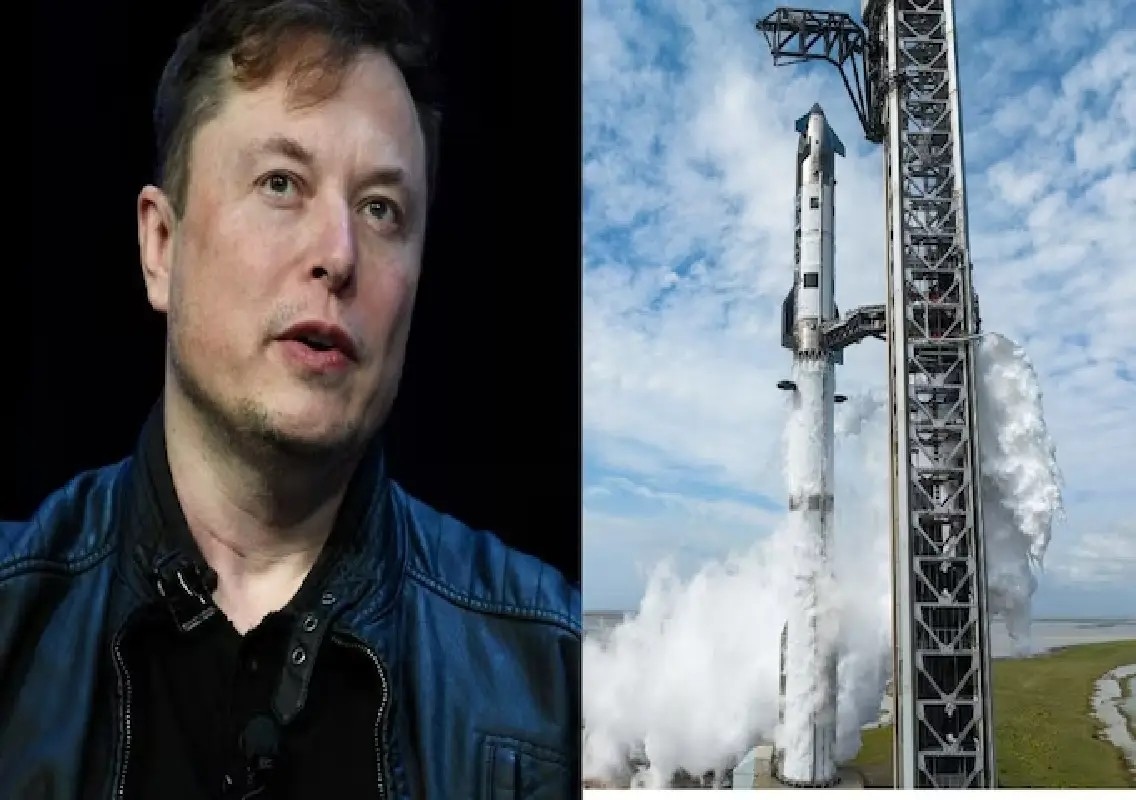


SpaceX is actively scouting potential locations in the United States and overseas to develop new spaceports as the company prepares for a future built around frequent launches of its giant Starship rocket.
The ambitious expansion forms part of billionaire entrepreneur Elon Musk’s long-term vision of making space travel routine, affordable, and eventually comparable to commercial air travel.
SpaceX believes the future of Starship will require thousands of launches every year, something impossible to achieve with only one or two launch facilities.
The company is therefore planning a global network of advanced launch sites capable of supporting rapid rocket operations, quick turnaround times, and potentially even intercontinental passenger transport.
Why SpaceX needs more launch sites
Unlike traditional rockets that are used once and discarded, Starship has been designed as a fully reusable launch system.
SpaceX aims to dramatically reduce launch costs by enabling rockets to land, refuel, undergo quick inspections, and relaunch within short periods.
According to the company, such rapid reuse is essential if Starship is to support future missions involving satellite deployment, Moon exploration, Mars colonisation, and high-speed Earth transportation.
Industry experts note that a single launchpad cannot realistically support thousands of launches annually.
To achieve Musk’s ambitious targets, SpaceX will require multiple operational spaceports spread across different geographical regions.
International launch sites may also become important for future Earth-to-Earth transport concepts that could allow passengers to travel between major cities in under an hour using Starship.
The company believes such infrastructure could eventually transform global transportation in the same way airports revolutionised air travel.
Florida and Texas become major Starship hubs
Currently, SpaceX conducts Starship test launches from its Starbase facility in Texas while simultaneously expanding infrastructure in Florida.
At Cape Canaveral Space Force Station, the company has received approval to develop Space Launch Complex-37 for Starship operations.
Construction activities are already underway at the site as SpaceX accelerates preparations for future large-scale launch operations beyond Texas.
The company eventually plans to operate three Starship launch pads in Florida alone.
These facilities are expected to support missions linked to national security, commercial satellite deployment, and NASA’s Artemis Moon exploration programme.
Meanwhile, Starbase in Texas is undergoing massive expansion.
SpaceX is constructing a gigantic “Giga Bay” production facility covering approximately 7 lakh square feet, with the goal of producing up to 1,000 rockets annually by the end of 2026.
The enormous facility highlights the scale at which SpaceX intends to manufacture and operate Starship systems in the future.
Future spaceports could function like airports
Elon Musk has previously indicated that future spaceports may eventually operate in ways similar to modern airports.
Instead of occasional launches separated by weeks or months, future launch facilities could potentially handle multiple launches every day.
Under the proposed model, rockets would land, undergo rapid refuelling and inspection, and return to service within hours.
SpaceX is also exploring advanced systems involving AI-driven trajectory management and virtual exclusion zones — digital safety corridors designed to make frequent launches safer and more efficient.
According to company projections, such technologies could reduce traditional launch safety distances by nearly 50 per cent, enabling back-to-back rocket operations.
The concept reflects SpaceX’s broader ambition to normalise spaceflight operations and make them part of everyday transportation infrastructure.
Starship central to Musk’s long-term ambitions
Starship is currently the world’s largest and most powerful rocket ever built.
The fully reusable rocket system is designed to carry more than 100 metric tonnes of cargo into orbit and forms the centrepiece of Musk’s long-term plans involving Mars missions, large-scale satellite launches, and rapid global travel.
The upcoming 12th Starship test flight, scheduled for May 20, is expected to introduce next-generation versions of the rocket, the Super Heavy booster, and upgraded Raptor engines.
The test programme is focused on achieving complete and rapid reusability — considered essential for reducing launch costs and increasing launch frequency.
Industry observers believe SpaceX’s aggressive expansion plans could fundamentally reshape both the global space industry and future transportation systems if Starship achieves operational success at scale.
The company’s vision suggests that the era of large commercial spaceports and routine rocket travel may arrive sooner than many expected.