


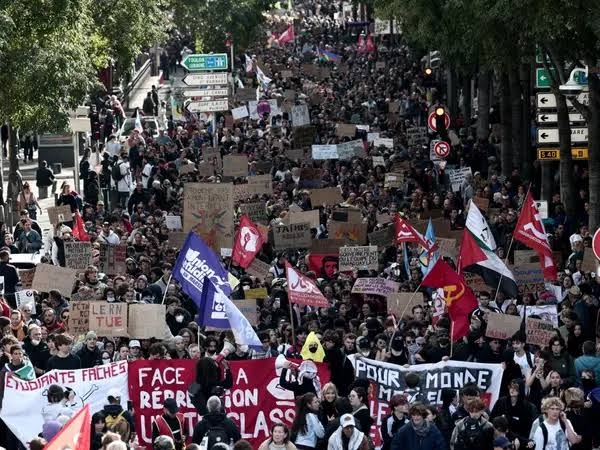


Paris: Protests over living costs, housing, education, wages and government policies swept several European countries on Saturday, October 24, as authorities deployed large numbers of police and additional military personnel to prevent a repeat of the violence reported the previous weekend.
Demonstrations took place in France, Italy, Spain, Portugal, Albania and Belgium, with rallies ranging from largely peaceful marches to clashes involving tear gas, water cannon, burning barricades and vandalised shops.
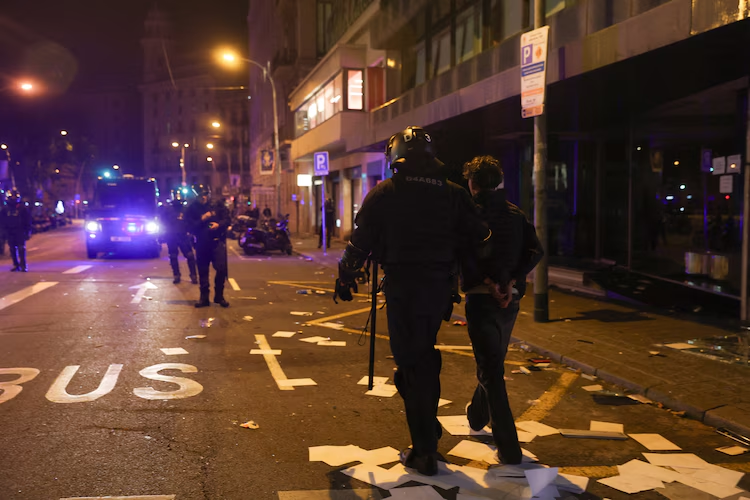
France recorded more than 1,300 arrests by Sunday morning, according to the Interior Ministry, following demonstrations that drew hundreds of thousands of people. In Barcelona, Spain, around 100 people were arrested after groups of hooded demonstrators looted shops and set fires. Italy strengthened security in Milan, while clashes were also reported in Rome, Turin and other cities.
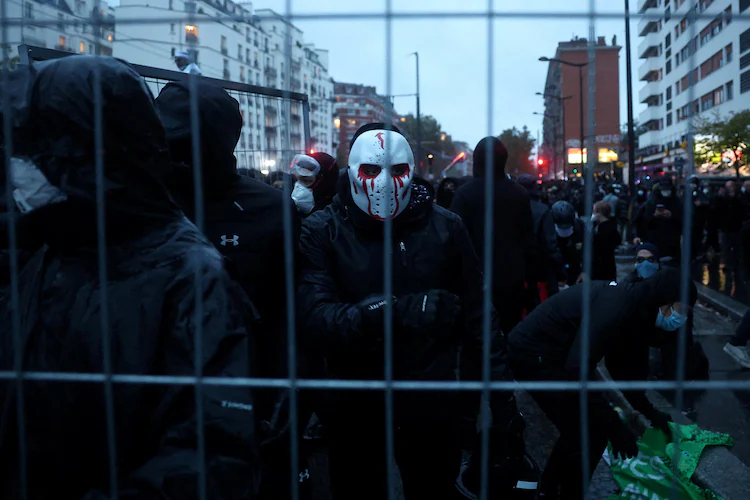
Although the demonstrations shared concerns about economic pressures and government policies, they did not form a single, coordinated movement. The issues varied by country, encompassing public services, housing affordability, pension rights, education costs, military spending and opposition to government decisions.
France records more than 1,300 arrests
France remained a major centre of demonstrations, with the Interior Ministry estimating that approximately 4.1 lakh people participated in rallies nationwide on Saturday. Trade unions put the turnout at around 8 lakh, highlighting the difference between official and organisers’ estimates.
Authorities had deployed around 70,000 police officers and gendarmes to manage the demonstrations and prevent a repeat of the previous weekend’s violence.
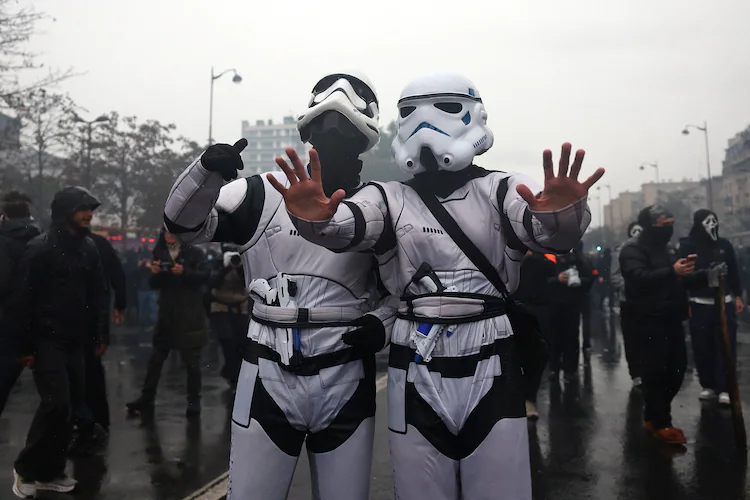
Many union-organised marches proceeded largely peacefully during the day. However, clashes broke out in Paris and several other cities as demonstrations continued into the evening.
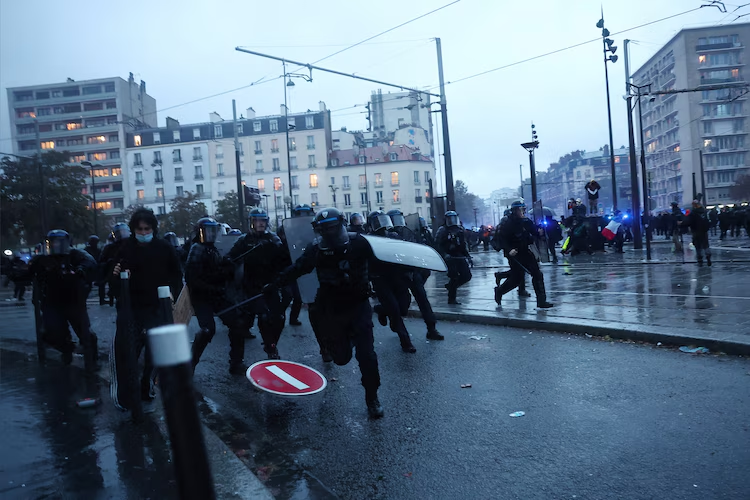
In Paris, riot police used tear gas and water cannon against groups of demonstrators after the main march ended. Some protesters threw projectiles, erected makeshift barricades and damaged property. Clashes were also reported in Marseille and other urban centres.
The French Interior Ministry’s preliminary figures on Sunday morning recorded 1,314 arrests nationwide. It also reported 53 members of the security forces injured and 75 interventions for fires. The ministry said 24 shops had been looted, substantially fewer than the 1,522 shops reportedly affected during the previous weekend’s unrest.
The government had sought to prevent attacks on businesses and public buildings through advance planning, restrictions in selected areas and the deployment of mobile security units.
Despite the violence in some locations, authorities said the security operation had prevented many attempted attacks on people and property.
Italy deploys additional soldiers to Milan
Italy witnessed demonstrations in Milan, Rome, Turin, Bologna and other cities as protesters raised concerns about rising living costs, low wages, military spending and government policies.
Milan was placed on heightened alert after clashes, looting and property damage during the previous weekend. Prime Minister Giorgia Meloni’s government announced the deployment of an additional 500 soldiers to the city, reinforcing the security personnel already stationed there.
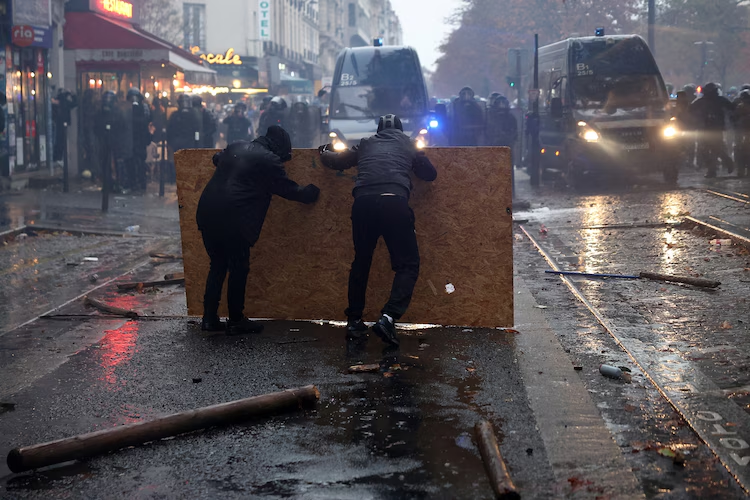
Authorities also increased surveillance and security checks, while some businesses closed or boarded up their premises as a precaution.
The situation in Milan remained comparatively peaceful on Saturday, with no fresh shop looting or property damage observed by Reuters witnesses. Demonstrators marched through the city, carrying banners and criticising government policies.
In Rome, however, confrontations between protesters and police led officers to use water cannon. Some demonstrators threw bottles and fireworks, while street signs and other public property were damaged.
Clashes also occurred in Turin, where police used tear gas after demonstrators threw stones, bottles and smoke bombs. Further confrontations were reported in Bologna and other cities.
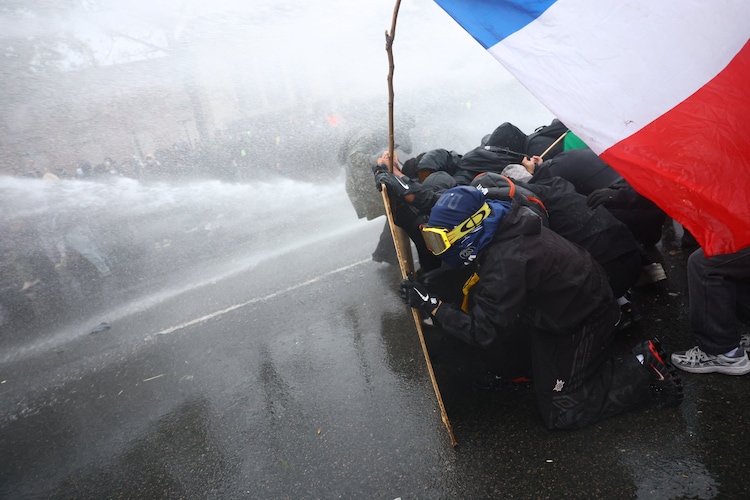
The demonstrations reflected a combination of economic grievances and opposition to war and increased defence spending. Authorities continued to investigate the previous weekend’s violence while maintaining a substantial security presence.
Barcelona arrests around 100 after looting
Barcelona witnessed some of the most serious incidents reported outside France, with approximately 100 people arrested after a demonstration escalated into clashes, shop looting and fires.
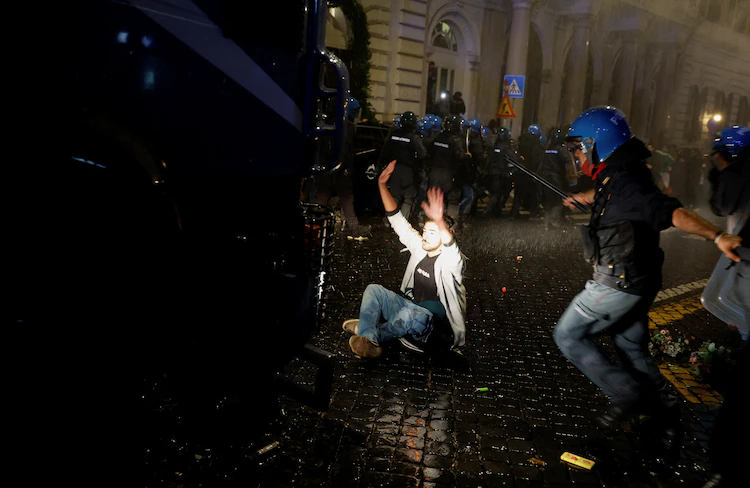
The unrest developed around Plaça de Catalunya, a central area popular with tourists and shoppers. According to Catalonia’s regional Interior Minister, Núria Parlon, more than 30 fires were reported and 14 stores were vandalised or looted.
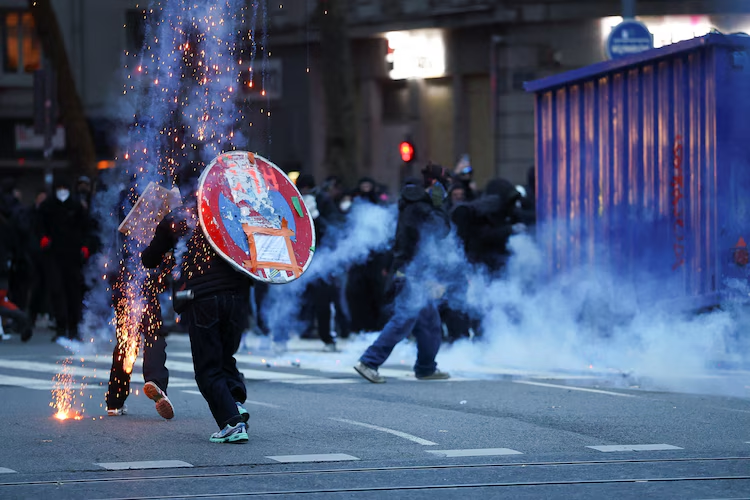
Around a quarter of those arrested were minors, according to the authorities.
The demonstration had been promoted through social media under slogans associated with an anti-establishment youth movement. Groups of hooded demonstrators, many dressed in black, smashed shop windows and took merchandise.
Videos circulating online showed people inside stores, including the El Corte Inglés department store, after security shutters were lowered to prevent further looting. Fires were also set in street furniture, while clashes continued in the surrounding streets.
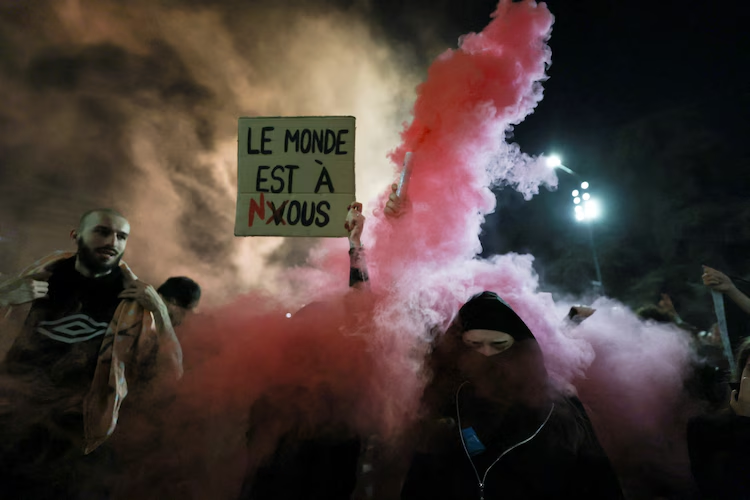
Barcelona Mayor Jaume Collboni condemned the vandalism and said those responsible would face legal consequences. He also warned that the guardians of minors involved could face repercussions under applicable law.
The incidents prompted businesses to close and police to restrict access to parts of the city centre as officers worked to restore order.
In Madrid, a separate demonstration drew more than 25,000 people demanding changes to pension policy. Protesters called for pension increases linked to inflation, improved minimum pensions and safeguards for the public pension system.
Portugal demonstrations focus on housing affordability
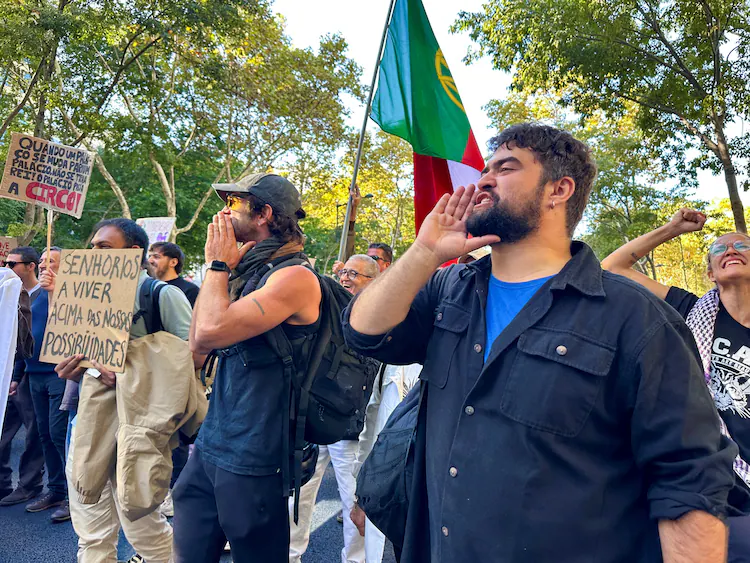
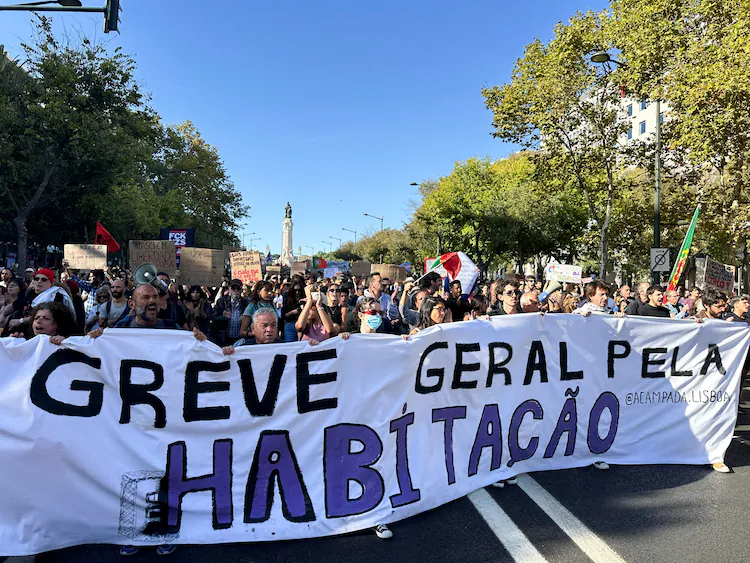
In Portugal, thousands of people marched in Lisbon and other cities to demand more affordable housing.
The demonstrations reflected growing concern over rents and property prices, particularly the difficulties faced by residents trying to secure homes in major urban areas.
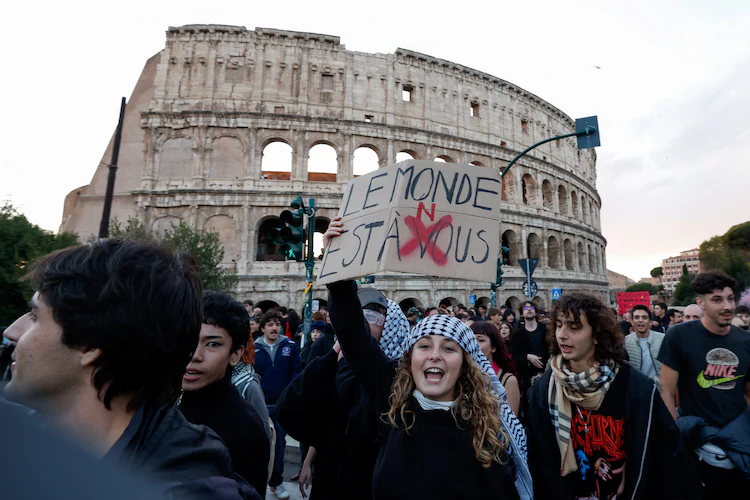
In Lisbon, protesters opposed government measures intended to ease rental pressures and make it easier to evict tenants who fail to pay rent. Demonstrators called for stronger protections and policies that would make housing more accessible.
Unlike the clashes reported in parts of France, Italy and Spain, the Portuguese demonstrations primarily focused on housing policy and affordability.
Housing costs have become a central issue in several European countries, where rising prices and rents have intensified concerns about living standards, particularly among younger people and lower-income households.
Albania protests combine education demands with anti-government anger
In Albania, thousands of people gathered in the capital, Tirana, for an anti-government demonstration involving students, artists and opposition groups.
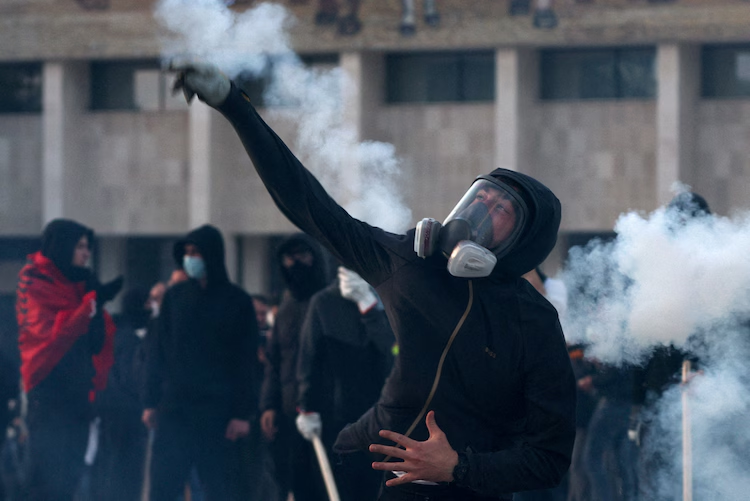
Students demanded lower tuition fees and greater state investment in education. Protesters also called for Prime Minister Edi Rama to resign amid broader allegations of corruption and dissatisfaction with government policies.
Clashes broke out between demonstrators and police, with officers using tear gas and water cannon to disperse crowds. Some protesters threw projectiles at police and government buildings, while rubbish containers and other objects were set on fire.
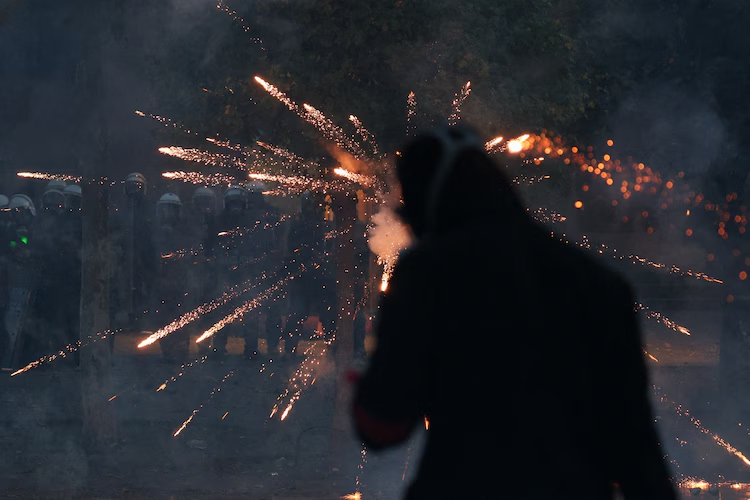
Authorities deployed approximately 2,500 police officers in Tirana as tensions escalated.
The demonstration reflected a combination of demands concerning education funding, public investment and political accountability. The grievances were distinct from those driving housing protests in Portugal or cost-of-living demonstrations in France, even as the events formed part of a wider period of unrest across Europe.
Security concerns rise in Belgium
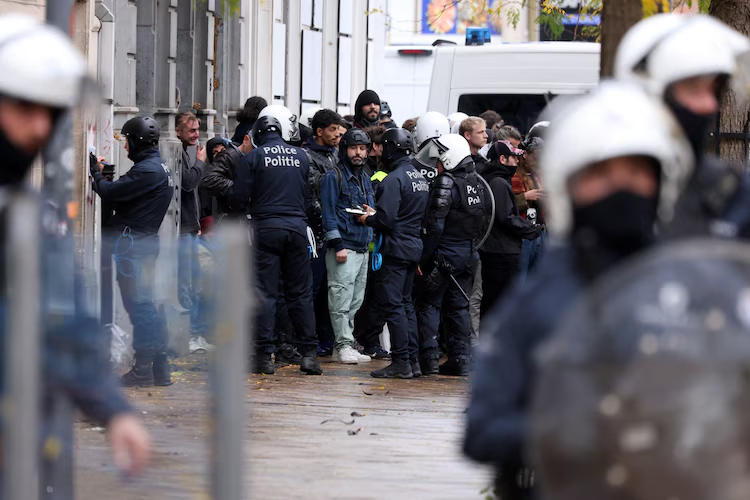
Brussels also witnessed clashes as police confronted demonstrators and broke up barricades. Tear gas and water cannon were used during confrontations, while some businesses took precautions against possible vandalism.
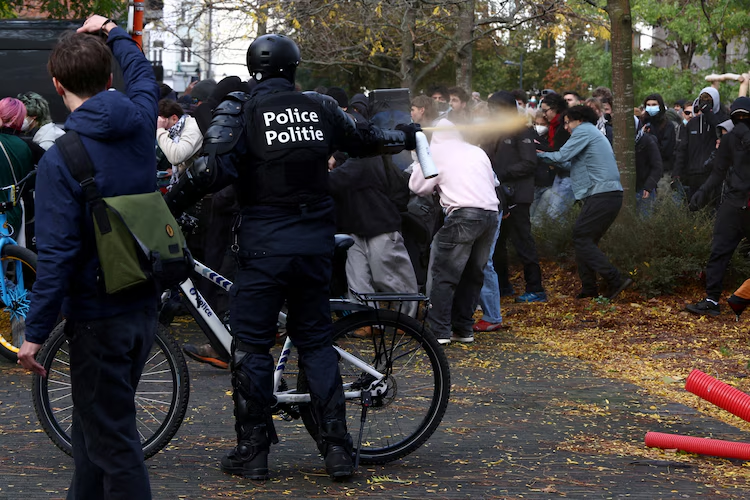
The demonstrations added to concerns among authorities and retailers about the potential for disorder to spread between cities following the previous weekend’s violence elsewhere in Europe.
Reports from the demonstrations described damage involving street furniture and attempts to set fire to objects in the streets. Several people were reported to have been arrested.
The incidents highlighted the challenges faced by authorities in managing large gatherings while responding to acts of violence and protecting nearby businesses and public infrastructure.
Different grievances, a shared challenge for governments
The second consecutive weekend of protests has highlighted the range of economic and political pressures confronting European governments.
In France, demonstrators focused on purchasing power, inequality and public services. In Italy, protests combined concerns about living costs with opposition to war and military spending. Spain saw youth-led unrest and shop looting in Barcelona, while housing affordability dominated demonstrations in Portugal.
In Albania, education funding and opposition to the government were central demands, while demonstrations in Belgium added to concerns about public order.
Authorities responded with police deployments, restrictions on gatherings, military support in selected locations and investigations into vandalism and looting. However, the scale of participation and the recurrence of demonstrations indicate that the underlying grievances remain a challenge.
The events also underline the distinction between peaceful protest and violence. While thousands of people demonstrated to raise political and economic concerns, acts of looting, arson and attacks on police prompted separate law-enforcement responses.
As governments seek to restore order, they face the task of protecting people and property while addressing the concerns that have brought demonstrators onto the streets. Whether further demonstrations will take place in the coming weeks will depend on developments in each country and the response to protesters’ demands.