







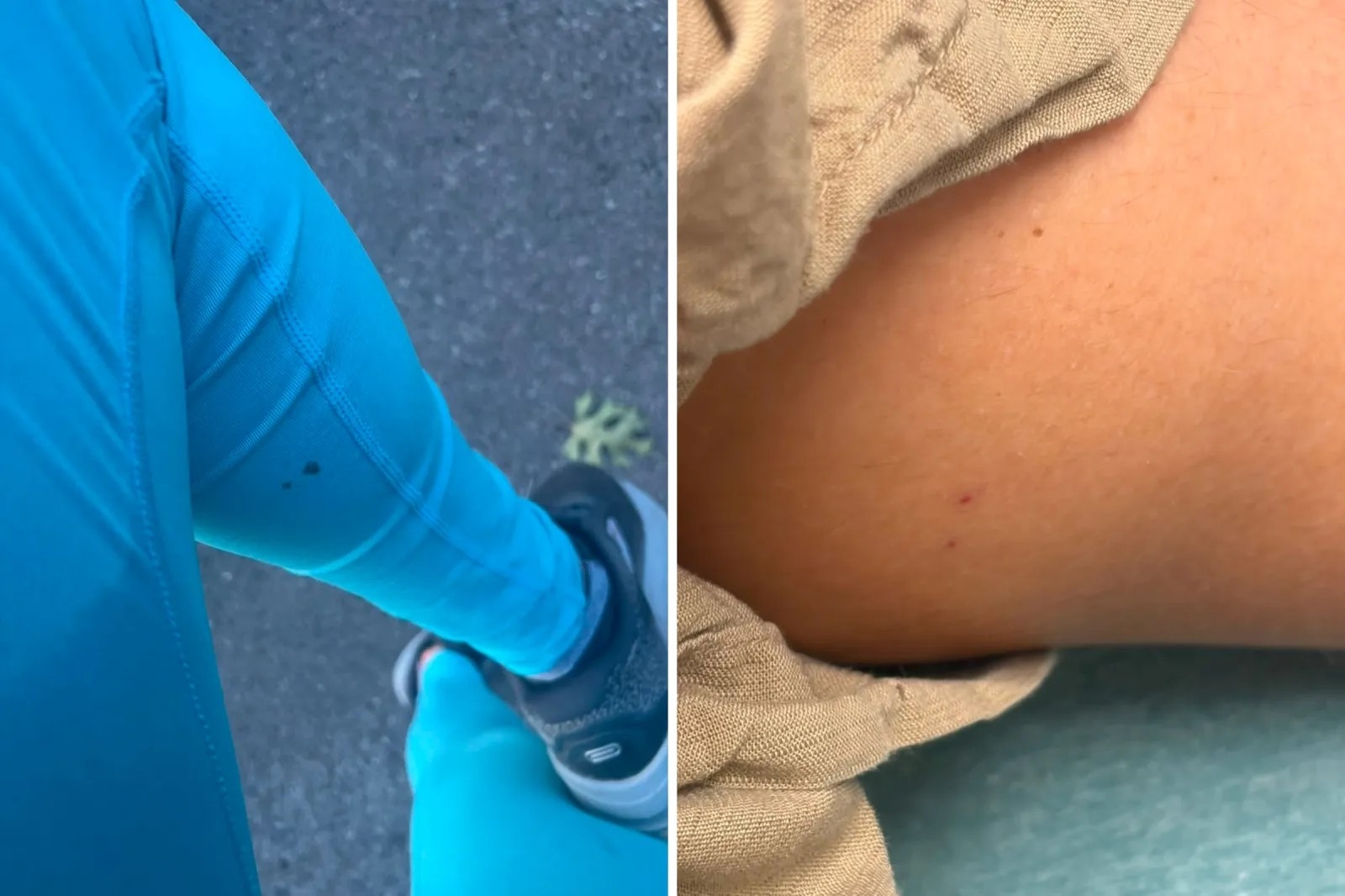


Nashville: An evening jog through a park in Nashville, Tennessee, turned into a frightening medical ordeal for 25-year-old teacher and musician Sophia Coe after she was bitten by a bat and had to undergo precautionary rabies treatment.
Coe had gone for a run at Edwin Warner Park at around 7.30 pm in early August, hoping to finish before it became too dark.
A strange bite during her run
While running, Coe felt what she described as a small prick on the back of her leg. At first, she thought it could have been a tick.
When she looked down, she noticed what she initially believed was a moth on her leg. She tried to hit it and eventually used her phone to scare it away.
The animal then flew towards her other leg and bit her again through her leggings.
It was only after the encounter that Coe realised she had been bitten by a bat.
She rushed to the emergency room
Coe returned home, cleaned the wounds with antibacterial soap and immediately searched for the nearest emergency room.
Doctors cleaned her wounds several times and started precautionary rabies treatment. She received multiple injections, including shots directly into the areas where she had been bitten.
Coe described the treatment as extremely painful and said the experience was particularly frightening because she had recently moved to Nashville and was dealing with the incident alone.
The bite left her struggling for days
After her first round of treatment, Coe found it difficult to put weight on her leg and walked with a limp for three days.
She also felt slightly unwell and struggled to sleep because of the distress caused by the incident.
Coe has since been documenting her treatment on social media, where several of her videos have attracted significant attention.
Her warning to others
Coe said the experience changed her understanding of the seriousness of rabies exposure.
She urged people not to delay seeking medical attention after being bitten by a wild animal, regardless of whether the animal appears harmless or appealing.
Rabies can become fatal once clinical symptoms develop, making prompt medical assessment and post-exposure treatment especially important.
Coe said her experience was frightening but hopes sharing it will encourage others to act quickly after potentially risky animal bites.