







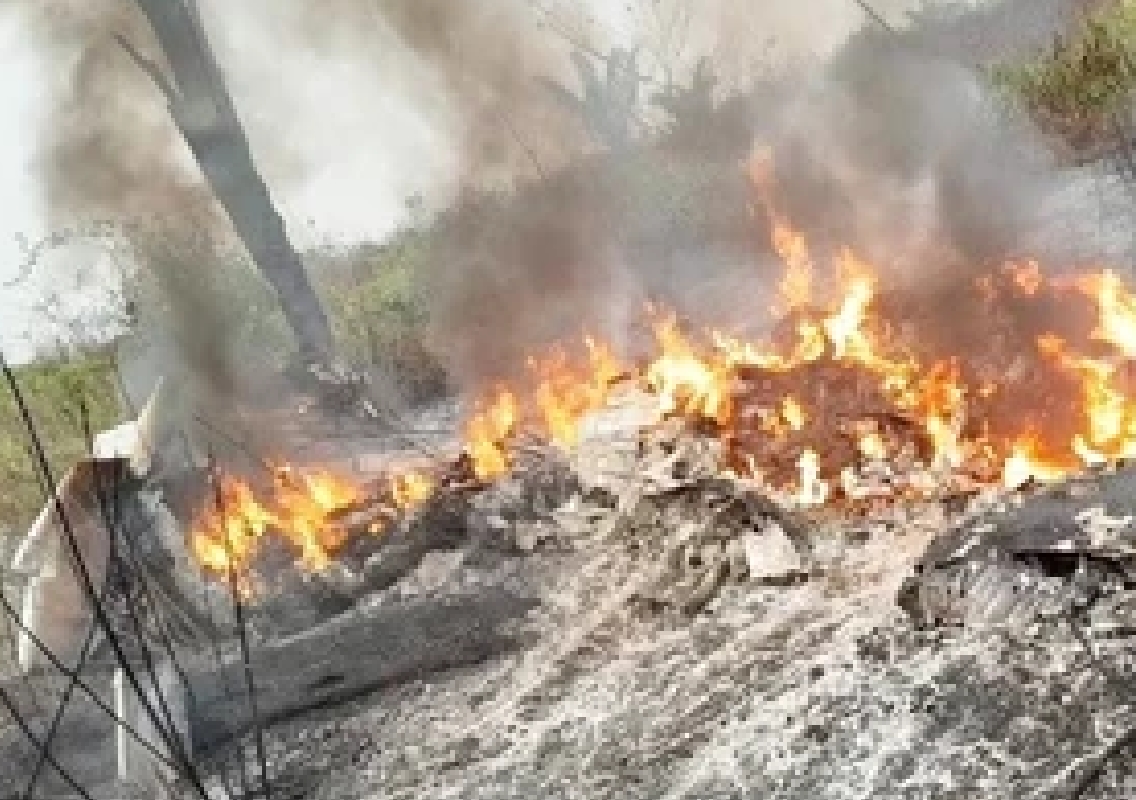


Sao Paulo, Aug 16: A tragic plane crash in the Amazonian town of Apiacas, in Brazil‘s Mato Grosso state, claimed the lives of five people. The incident involved a twin-engine King Air plane that crashed into a farm while enroute from the Pousada Amazonia Fishing Lodge to Rondonopolis.
According to Brazil’s Globo News, the victims of the crash included Arni Spiering, a prominent agri-business owner and former president of the Union Sports Club, along with two of his grandchildren, an employee of his company, and the pilot. The twin-engine plane, which had a capacity of seven people, crashed and exploded on impact.
The crash occurred as the aircraft was heading to Rondonopolis, and the violent explosion upon impact left no survivors. The Brazilian Air Force has dispatched a team from the Aeronautical Accident Investigation and Prevention Center to Apiacas to investigate the causes of the crash. This investigation is crucial in determining the factors leading to the disaster and preventing future occurrences.
The Apiacas crash follows a recent aviation tragedy in Brazil. Less than a week before, a plane operated by Voepass crashed in the city of Vinhedo, in southeast Sao Paulo state. That incident resulted in the deaths of all 62 people on board. The sequence of tragic aviation accidents has heightened concerns about air safety in Brazil and led to increased scrutiny of aviation practices and regulations.
The Brazilian Air Force’s involvement in the Apiacas crash investigation underscores the seriousness with which the authorities are treating the incident. Experts from the Aeronautical Accident Investigation and Prevention Center are expected to conduct a thorough investigation to uncover the cause of the crash. Their findings will be crucial in understanding the circumstances of the accident and in implementing measures to improve safety.
In the wake of the crash, the local community and the broader aviation industry are in mourning. The impact of such disasters extends beyond the immediate victims and their families, affecting the entire region and prompting a reevaluation of safety protocols.
The crash has elicited widespread reactions, with calls for improved safety measures and more rigorous oversight of aviation practices. The timing of this incident, so soon after another fatal crash, has intensified the scrutiny on aviation safety in Brazil. Authorities are under pressure to address any potential lapses in safety and to ensure that such tragedies do not recur.
The plane crash in Apiacas is part of a broader context of aviation safety concerns that have been highlighted by recent incidents. The string of accidents serves as a stark reminder of the importance of stringent safety measures and effective regulation in the aviation industry. As investigations continue, there will be a focus on both understanding the specific causes of these crashes and addressing systemic issues in aviation safety.