







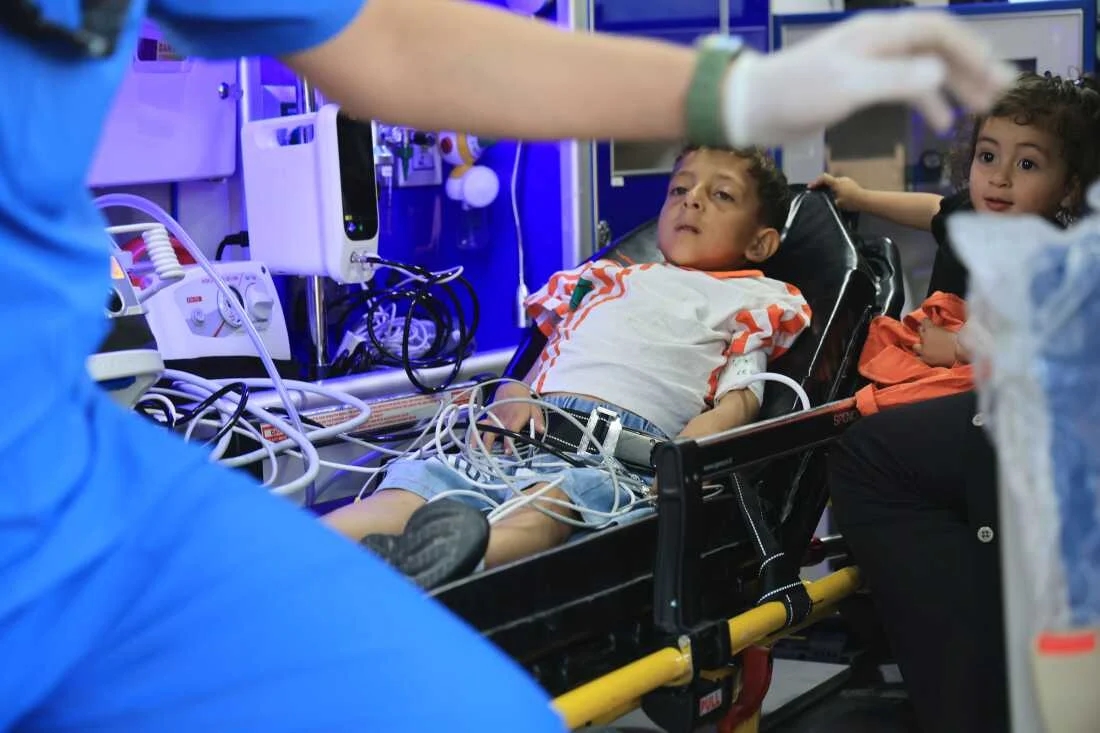


For thousands of cancer patients in the Gaza Strip, survival now depends not on medicine, but on permission to leave. With hospitals destroyed, medicines blocked and borders sealed, a cancer diagnosis has turned into a near-certain death sentence for many.
Waiting to live, not to be cured
Hani Naim, who has lived with cancer for six years, had official approval to receive treatment abroad. Yet, like thousands of others, he remains trapped inside Gaza due to Israeli restrictions on movement.
“I used to receive treatment in the West Bank and Jerusalem. Today, I cannot access any treatment at all,” Naim told Al Jazeera, adding that radiotherapy facilities no longer exist in Gaza.
Doctors estimate that more than 11,000 cancer patients are currently stranded in the enclave. Since October 2023, cancer-related deaths are reported to have tripled, as chemotherapy, radiotherapy and specialist diagnostics have all but disappeared.
A hospital turned into rubble
At the centre of Gaza’s oncology care collapse stands the Turkish-Palestinian Friendship Hospital, once the Strip’s only specialised cancer hospital. Today, it lies destroyed after being turned into a military site during the war.
Medical teams now operate from makeshift units inside Nasser Medical Complex, without essential equipment or drugs. “We lost the only hospital capable of diagnosing and treating cancer,” said Dr Mohammed Abu Nada, medical director of the Gaza Cancer Centre.
Aid enters, medicines do not
Despite ceasefire announcements, doctors say life-saving medicines remain blocked. “They brought chocolates, nuts and chips,” Abu Nada said. “But cancer drugs and diagnostic devices have not entered.”
Appeals to the World Health Organization to supply medicines have so far failed. Around 60 to 70 per cent of cancer treatment protocols are now unavailable, and even painkillers are being rationed.
Deaths rise as borders stay shut
In the Khan Younis area alone, doctors report two to three cancer deaths daily. More than 3,250 patients have referrals for treatment abroad but remain unable to cross due to the closure of the Rafah crossing and bans on medical evacuations.
“What use is a doctor without tools?” Abu Nada asked. “Sometimes, all we can do is sit and cry beside a patient denied treatment and denied travel.”