







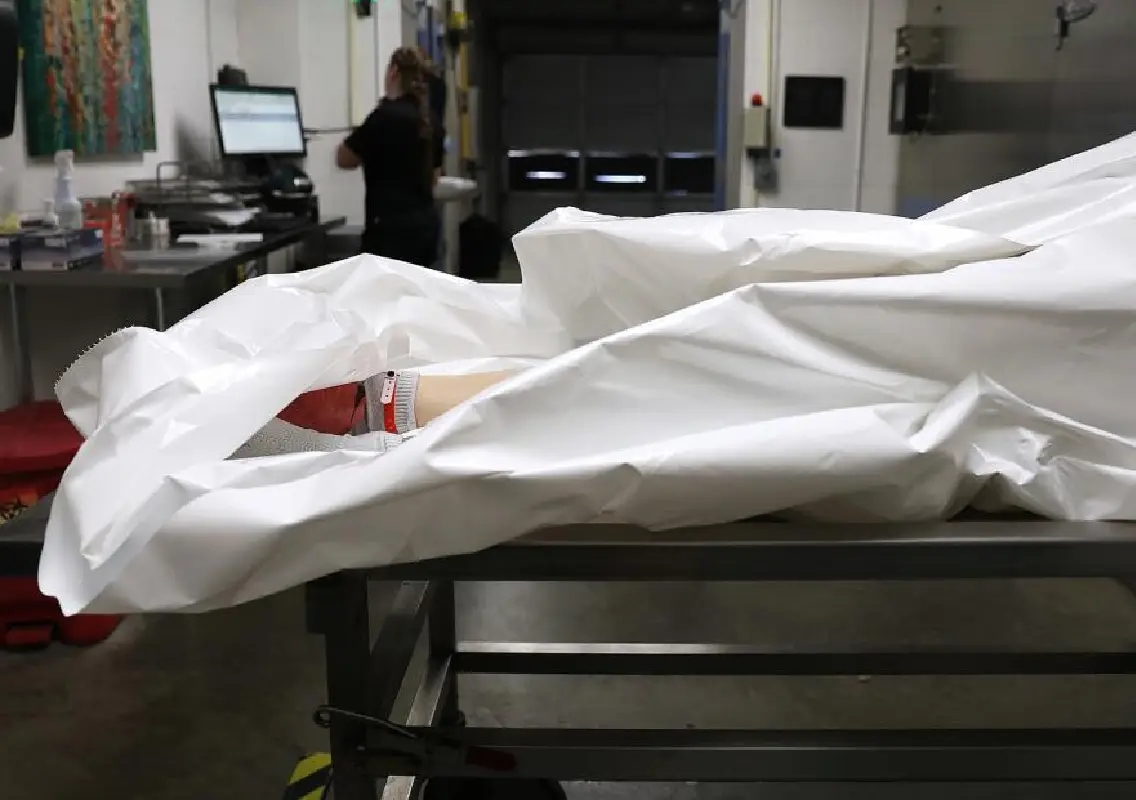


Moving between photo displays of unidentified bodies and the morgue at Al-Shifa Hospital, Hanaa al-Mabhuh clings to the hope of finding answers about her missing 18-year-old son.
Her son Omar disappeared last June along with a cousin when they went to inspect the ruins of their home in Jabaliya refugee camp in northern Gaza. Since then, Hanaa has searched hospitals, contacted the International Committee of the Red Cross (ICRC), and reviewed lists of prisoners and returned bodies, but without clarity on his fate.
“My son is a piece of me,” she says, describing the anguish of not knowing whether he is alive, detained or among the dead.
Bodies returned under ceasefire deal
Under a United States-brokered truce between Israel and Hamas in October 2025, batches of Palestinian remains have been returned through the Karem Abu Salem (Kerem Shalom) crossing. Gaza’s Health Ministry said dozens of bodies and boxes containing human remains were recently received and brought to Al-Shifa Hospital for examination and possible identification.
However, the process has proven deeply challenging.
Limited forensic capacity
According to Gaza health officials, many bodies arrive in advanced stages of decomposition or as fragmented remains. The absence of DNA testing facilities and advanced forensic tools has made definitive identification difficult.
Ahmed Abu Taha, who oversees the bodies and missing persons file at the Health Ministry, said only “presumptive” testing — based on clothing, physical marks and estimated age — is currently possible. Confirmatory methods such as DNA analysis and forensic odontology are unavailable.
Misidentifications have occurred, sometimes leading to bodies being handed over and buried before later corrections.
Humanitarian concerns
Since October 2023, hundreds of bodies have been transferred through the ICRC. The United Nations and humanitarian groups have raised concerns about the broader humanitarian toll and the psychological burden on families awaiting answers.
For Hanaa, each hospital visit is a mixture of dread and hope. “We are left lost,” she says. “My heart wishes he is alive, but I prepare myself for every possibility.”
As families continue their search, calls are growing for international assistance to facilitate accurate identification and bring closure to those enduring prolonged uncertainty.