







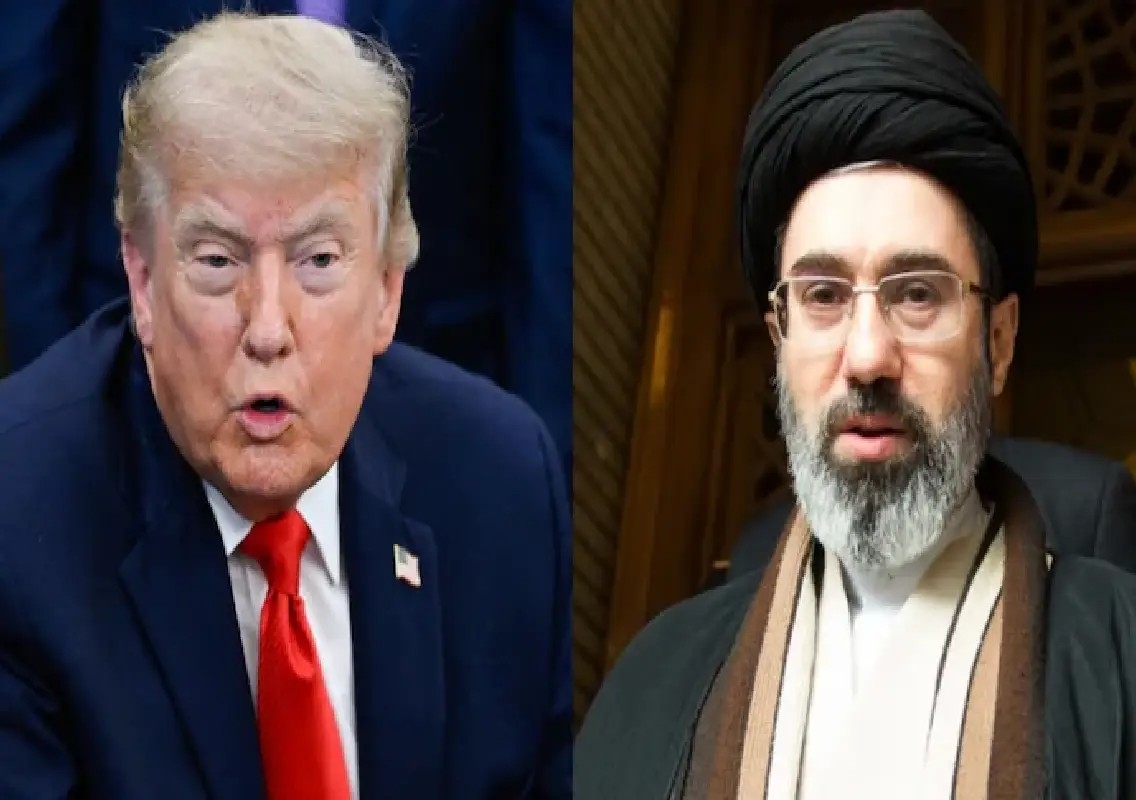


Geneva: Geneva has emerged as a potential venue for the signing of a proposed interim peace agreement between the United States and Iran, although Tehran has denied reports suggesting that a deal is set to be signed immediately. The development comes amid ongoing diplomatic efforts to extend a fragile ceasefire, reopen the Strait of Hormuz and create a pathway for broader negotiations on regional security and Iran’s nuclear programme.
Reports from international media outlets indicate that negotiators are moving closer to a framework agreement, but Iranian officials have stressed that key decisions are still pending and that no final accord has yet been reached.
Geneva considered for signing ceremony
According to reports citing senior officials, Geneva is being considered as a possible location for a signing ceremony due to its proximity to the venue of the upcoming G7 summit in France.
The proposed agreement could reportedly be signed on the sidelines of international diplomatic meetings scheduled for next week. Geneva’s longstanding role as a neutral venue for international negotiations has made it a preferred location for high-level diplomatic engagements involving multiple stakeholders.
Reports also suggest that senior US officials, including Vice President JD Vance and special envoy Steve Witkoff, could represent President Donald Trump if a formal signing ceremony takes place.
Proposed agreement aims to extend ceasefire
The draft agreement under discussion is expected to focus on extending the existing ceasefire between the two sides for approximately two months.
Diplomatic sources cited in reports indicate that the proposal also includes provisions aimed at reopening the Strait of Hormuz to commercial shipping, a move that would be closely watched by global energy markets and international shipping operators.
The agreement is also expected to establish a framework for continued discussions on Iran’s nuclear programme and wider regional security concerns.
Iran rejects claims of imminent signing
Despite reports suggesting that negotiations are nearing completion, Iranian officials have publicly downplayed suggestions that a final agreement is imminent.
An Iranian foreign ministry spokesperson stated that discussions remain ongoing and that negotiations have not yet reached a final conclusion.
Iranian state media have reported that a draft agreement is nearing completion but remains subject to approval by the country’s decision-making authorities.
Tehran has also rejected reports claiming that a signing ceremony has already been scheduled in Geneva, describing such claims as inaccurate.
Mediation efforts continue
Diplomatic sources indicate that mediators from regional countries, including Pakistan and Qatar, have played an important role in facilitating communication between Washington and Tehran.
Reports suggest that the draft proposal has been informally referred to by some negotiators as the “Islamabad Declaration” in recognition of Pakistan’s mediation efforts, although no official confirmation has been issued regarding the name.
The involvement of multiple mediators reflects the complexity of negotiations and the broader regional significance of any potential agreement.
Impact on global energy markets
News of progress in negotiations has already influenced international energy markets.
Investors have reacted positively to indications that tensions could ease and that commercial shipping through the Strait of Hormuz may resume normal operations.
The waterway remains one of the world’s most critical energy corridors, carrying a significant share of global oil and natural gas exports.
Any agreement that reduces disruptions in the region could contribute to greater stability in global energy supplies and shipping routes.
Key hurdles remain
Despite growing optimism, several challenges continue to stand in the way of a final agreement.
Reports indicate that approval from Iran’s senior leadership remains necessary before any deal can be formally concluded.
In addition, concerns from regional stakeholders, including Israel, continue to influence discussions surrounding the proposed arrangement.
Diplomatic observers note that while negotiations have made progress, important political and security issues remain unresolved.
Focus shifts to next round of talks
With negotiations continuing, attention is now focused on whether both sides can overcome the remaining obstacles and translate diplomatic momentum into a formal agreement.
The coming days are expected to be crucial as officials work towards finalising terms and securing the necessary approvals.
If successful, the agreement could represent a significant step towards reducing tensions, restoring maritime stability and creating conditions for broader diplomatic engagement in the region.