







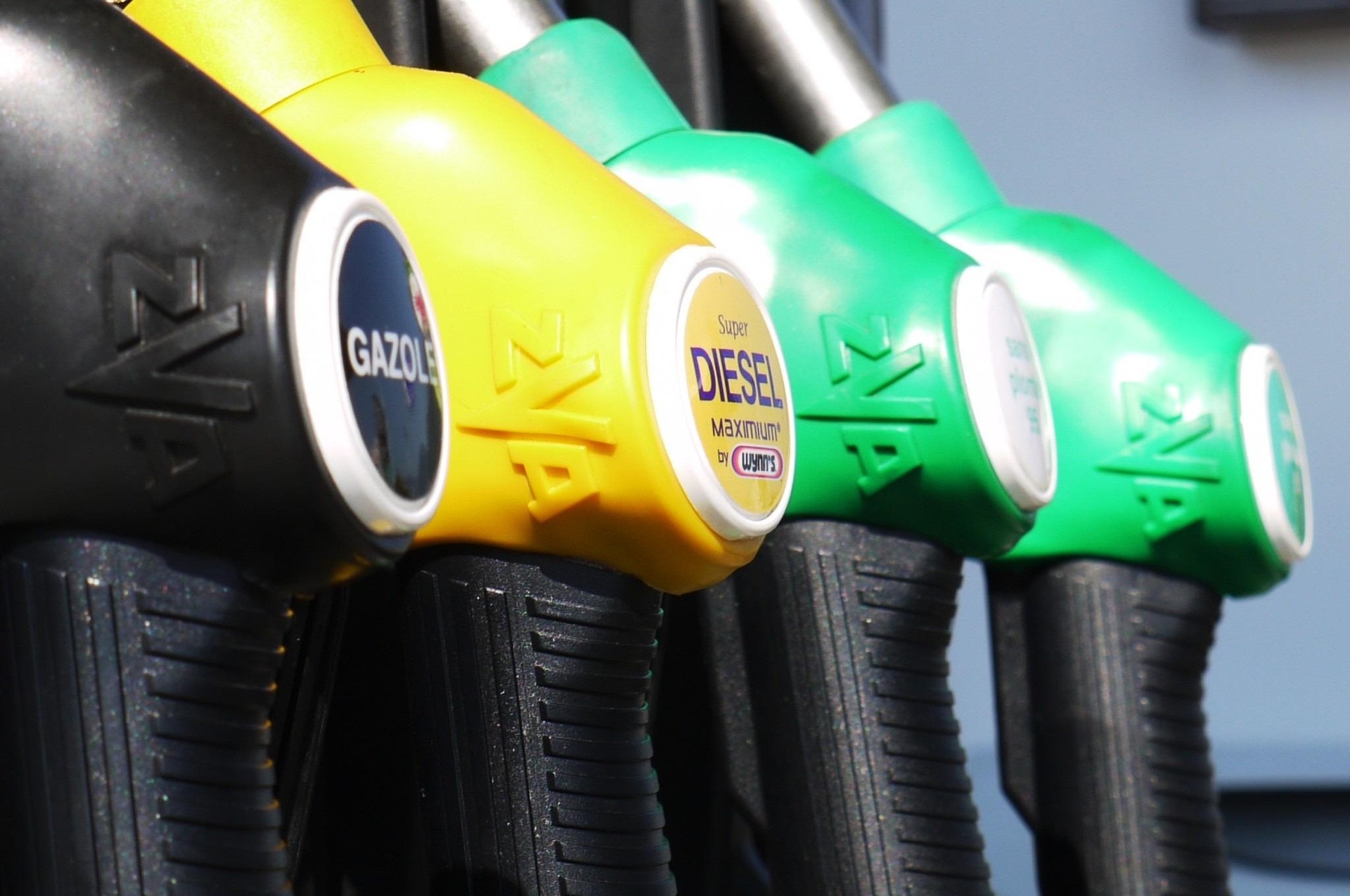


At a courier depot outside Scunthorpe, around 2.40 a.m. on a Tuesday in late November, a yard supervisor pulled up the overnight monitoring and found that three parked vans had registered fuel level drops adding up to about 180 litres. According to the system log, none of the three had started an engine or triggered a gate exit. All three vans had been inside the compound since the evening shift. No other sensor in the yard showed any movement. The fuel had gone. It took weeks before anyone at the depot sat down and compared the consumption figures with the geofence logs for the preceding six weeks. The losses in the data went back much further than anyone at the company had been willing to accept.
Fuel theft from commercial fleet depots has been rising across the UK for years. Overnight yard theft is a different category entirely from the highway siphoning and the forecourt incidents that get reported in the press. Inside a depot yard, the theft takes place over hours, not minutes, and it leaves very little trace. The fuel disappears in amounts so small that each individual loss falls below whatever the fleet manager’s reporting threshold happens to be. The annual figure across UK commercial fleets has been put at around £100 million. I would not trust that figure. Smaller operators almost never report, and the ones that do tend to understate what they lost. HGVs and light commercials in the 3 to 7 tonne range lose considerably more than their share of the fleet would predict. They carry bigger tanks, and they end up in yards that are fenced but not watched at night. In practice, the fleet manager almost always blames fuel card problems or errors in the mileage records. The overnight fuel data sits in one place. The gate records sit in another. They stay that way until a loss turns up that nobody can explain.
The Scunthorpe yard had been geofenced for about two years before the November incident, but the geofencing had only ever been used for logging departures and returns. That is what most depot operators do with it, and nothing beyond. A fleet management specialist at gpswox.com said this is the gap they encounter more than any other when auditing depot configurations. Both systems are already running on the yard and have been for some time in most cases. The data from each one sits on its own dashboard, and nobody has connected them. The technical work involved in connecting them is not complicated. Someone does have to build the alert logic on purpose. Every depot I have spoken to has only built that logic after fuel had already gone missing from the yard.
Nobody at the Scunthorpe depot had ever combined the two datasets before. They went through roughly seven weeks of overnight records. The pattern came through almost as soon as the numbers were side by side. The yard’s secondary gate had a faulty latch. It had been reported for repair three separate times and never fixed. The coordinator told me that on unsecured nights, fuel readings ran about 12 litres lower per vehicle than on nights when both gates were locked. Across 34 vehicles and 49 nights, which came to somewhere around 20000 litres. At the diesel prices prevailing at the time, the fleet coordinator who ran the numbers told me the loss was roughly £26000. Her first reaction, she told me, was that the number had to be wrong. She assumed she had made an error somewhere in the calculation. She ran it three different ways and the figure kept coming back close to the same. Both data streams had been sitting in the same system the entire time, she said. By the time anyone combined them, the losses were already too large to deny.
Fuel theft from commercial vehicles rose through 2024 and kept rising into 2025. Diesel prices over that period made organised overnight siphoning more profitable than it had been in years. With diesel at £1.70 a litre, even a couple of hundred litres pulled from a yard overnight is serious money. They use portable 12V electric pumps. One of those drains a standard transit tank in under four minutes. The pumps cost almost nothing. The only trace they leave is a fuel sensor reading that nobody can check for a week. A crew of two or three with those pumps can strip a yard’s worth of fuel tanks in the hours between the last evening departure and the earliest morning arrival. A logistics security consultant covering mid size distribution operators across the Midlands and the North said he had been brought into three depot investigations since January 2026. In each case, the loss pattern was close to identical to what happened at Scunthorpe. In two of the three, the telematics data had been sitting there for weeks, and nobody had looked at it.

If the sensitivity on the overnight alert is set too high, the system fires on normal sensor fluctuations and temperature related volume changes that mean nothing. Set it too low, and the system only catches the large thefts, letting the incremental losses, where most of the depot problem sits, go undetected. The Scunthorpe operator went with a threshold of 8 litres per vehicle per overnight period. That figure came from a preceding period where the depot was confident no theft had occurred. During that period, with normal temperatures, it produced no false positives. Eleven days after the alerts went live, the system picked up what appeared to be another attempt. Just before 3 a.m., two vans parked in the rear section both showed fuel level drops at the same time. The CCTV for that night caught someone coming through the gate, which had by then been fixed. The people responsible were not identified.
A transport manager near Grimsby, running 28 vehicles, told me he had assumed his telematics system was already doing this correlation on its own. When a supplier walked him through the setup in February 2026, he found out the fuel data and the geofence alerts sat on completely separate dashboards with nothing linking them. He put his overnight fuel losses somewhere between £800 and £1200 a month across most of the preceding year. That was based on consumption records checked against mileage logs. He said the estimate could be off in either direction. His perimeter had been recording every gate movement for as long as the tracking system had been running. The fuel sensors were already recording tank levels through the night. Nobody had written the one automated rule that would make them talk to each other. The Scunthorpe depot eventually got the gate latch fixed. The bill was £140.