







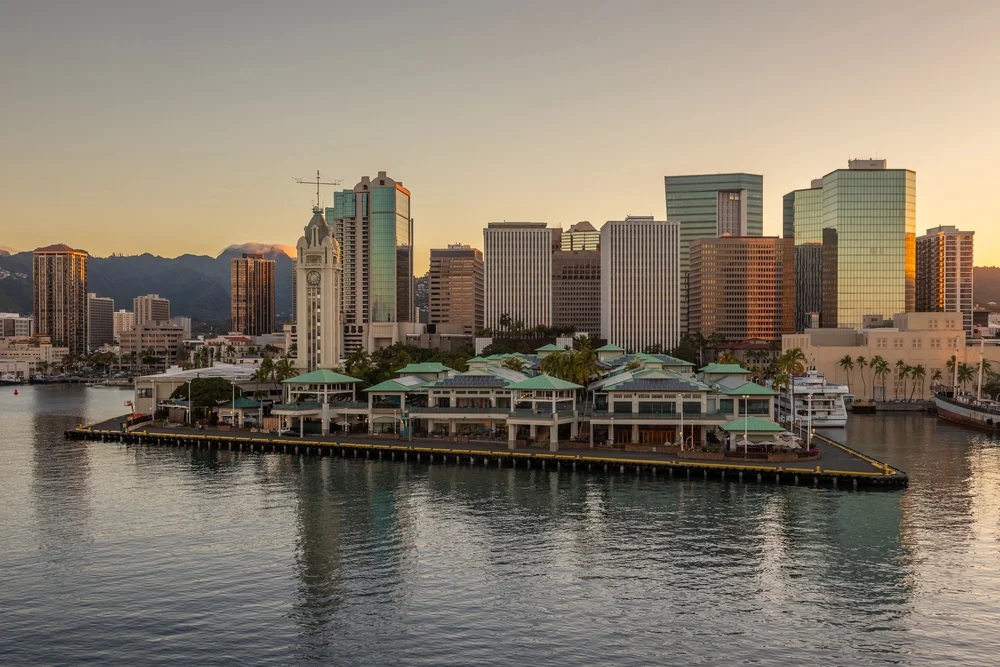


Coastal development has become a defining feature of modern urban growth. Cities around the world are looking to the waterfront not only for housing but also for tourism, trade, and cultural expansion. In the Gulf region, the Dubai Islands project — previously known as Deira Island — illustrates how large-scale land reclamation is being used to create entirely new districts. Similar strategies are visible in Asia, Europe, and North America, where city planners see reclaimed or reimagined coastlines as central to future competitiveness.
The Economic Rationale Behind Waterfront Expansion
Waterfronts have always played a critical role in urban economies. Historically, ports were the gateways for trade, migration, and cultural exchange. As economies diversified and shipping infrastructure modernized, many cities found themselves with underused or outdated coastal land. Redeveloping these spaces into mixed-use districts allows governments and developers to unlock value while reshaping the city’s global identity.
In Dubai, island projects serve as a response to limited natural coastline. By expanding seafront availability, the city creates additional capacity for tourism facilities, housing, and commercial centers. Comparable strategies are seen in Singapore’s Marina Bay, Hong Kong’s Kowloon waterfront, and land reclamation efforts in Tokyo Bay.
Residential Projects as Indicators of Market Trends
One way to measure the success of waterfront initiatives is through residential development. Housing demand in coastal districts often exceeds supply, especially when integrated with leisure and employment opportunities. Projects such as Silena AveNew Development highlight how new residential offerings are positioned within broader masterplans. These developments reflect not only architectural trends but also the shifting preferences of urban populations who seek proximity to both natural and urban amenities.
In many cases, residential projects in waterfront areas target both local residents and international buyers. The combination of improved infrastructure, scenic settings, and integration into larger city plans makes them attractive as long-term investments.
Global Examples of Waterfront Transformation
Several cities provide useful comparisons when analyzing waterfront development:
- Singapore: Marina Bay, built on reclaimed land, has become a financial and lifestyle hub.
- New York City: The redevelopment of Brooklyn’s waterfront demonstrates how industrial zones can transition into mixed-use districts.
- Mumbai: Proposals for coastal road and land reclamation projects show how India is attempting to address urban density pressures.
- Copenhagen: The Nordhavn district illustrates Europe’s focus on sustainable waterfront housing.
In each case, coastal development is tied to broader national or regional strategies, from enhancing tourism to attracting foreign investment.
Infrastructure and Connectivity
For waterfront projects to succeed, infrastructure is essential. Roads, bridges, metro links, and utilities must be planned in parallel with construction. Without adequate transport and services, even ambitious projects can face long-term challenges.
Dubai’s approach to connecting island developments to the mainland offers one model of integrated planning. Similarly, Hong Kong’s reclamation projects are tied directly into metro extensions, ensuring that new districts are not isolated.
Environmental Considerations
Large-scale reclamation and construction along coastlines also raise environmental questions. Issues such as coastal erosion, marine habitat disruption, and rising sea levels must be addressed. Cities are increasingly adopting sustainability measures, including artificial reefs, green building codes, and renewable energy integration, to reduce ecological impact.
Copenhagen and Singapore have emphasized climate adaptation in their waterfront strategies. Dubai and other Gulf cities are also under pressure to balance rapid development with long-term environmental resilience.
Social and Cultural Dimensions
Beyond economics and infrastructure, waterfront projects influence urban culture. New districts often include museums, cultural centers, and public spaces designed to attract both residents and visitors. These initiatives help redefine the image of a city, moving it from a purely commercial hub to a place of cultural significance.
For example, Abu Dhabi’s Saadiyat Island has become known for its concentration of museums and universities. Similar approaches are being explored in other Gulf cities as part of diversification strategies.
Risks and Long-Term Outlook
Despite their potential, waterfront mega-projects carry risks. Overreliance on real estate speculation can lead to oversupply, while global economic slowdowns may reduce demand for high-end coastal housing. Rising sea levels add another layer of uncertainty to long-term planning.
Nevertheless, most analysts expect waterfront development to remain a key component of urban strategies. The combination of symbolic value, practical housing supply, and tourism potential ensures that governments and investors continue to prioritize coastal districts.
From Asia to the Middle East, waterfront development has emerged as both a solution to urban challenges and a driver of economic growth. The Dubai Islands project, formerly Deira Island, represents one of the most ambitious examples in recent years. Residential initiatives such as Silena Avenew Development further illustrate how these large-scale plans are translated into specific housing solutions.
As cities compete on a global stage, coastal transformation will remain central to their strategies. Whether through reclaimed land, redeveloped ports, or new cultural districts, waterfronts will continue to shape how urban economies expand and adapt in the decades ahead.