









For Catholics worldwide, December 8 marks the Solemnity of the Immaculate Conception. In Albania, the date carries an added historical weight. It commemorates the student protests of December 8, 1990 — later recognised as National Youth Day — which signalled the first public crack in Europe’s most rigid communist regime.
Mother Teresa at a moment of collapse
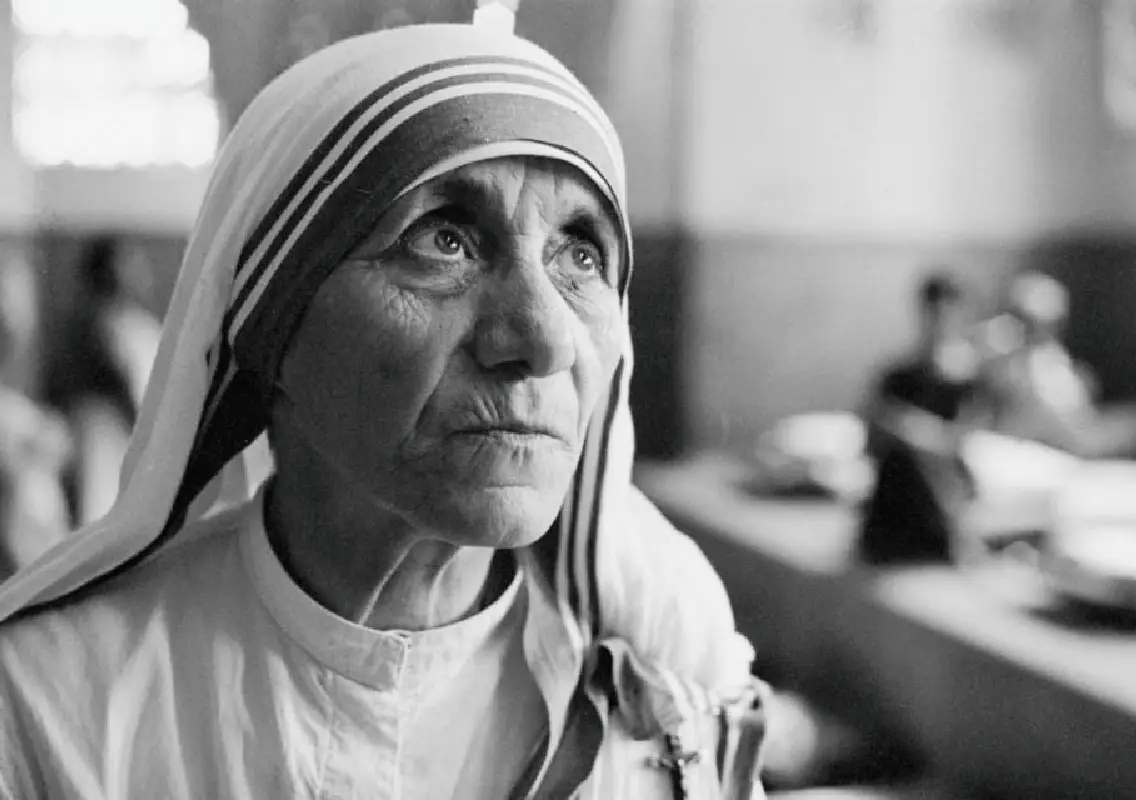
Just days before those protests, Mother Teresa returned to Albania at a time when the regime was visibly weakening. Internal party records show she met Nexhmije Hoxha on December 3 and President Ramiz Alia on December 4. Her request was direct: permission for the Missionaries of Charity to begin work in Albania.
Rather than an outright refusal, the regime stalled — promising to “review” the request later. The language was telling. Officials framed any concession as respect for Mother Teresa “as an Albanian”, not as an admission that the state needed help. For a system that had once outlawed religion and declared Albania the world’s first atheist state, even this hesitation revealed ideological exhaustion.
Within months, the reversal became public. In March 1991, the Missionaries of Charity began serving openly in Albania.
A televised moral rupture
Mother Teresa’s meeting with Ramiz Alia carried symbolic power. He publicly praised her compassion and service, calling her a daughter of Albania. She replied simply that she had no gold or silver — only the desire to serve the poor.
In that moment, the regime’s narrative fractured. A system built on the claim that religion was dangerous and unnecessary found itself publicly affirming a Catholic nun. For ordinary Albanians watching on television, the signal was clear: faith was no longer automatically treated as treason.
Students light the political spark
Just three days after Mother Teresa left, morality turned into movement. On December 8, 1990, students marched from Tirana University dormitories into the streets. What began with a few hundred protesters soon grew into thousands, demanding political pluralism and democratic reform.
The protests forced Ramiz Alia to meet student representatives on December 11, an encounter unthinkable weeks earlier. Albania later enshrined the date as National Youth Day, honouring the moment when silence gave way to dissent.
From fear to freedom
Albania’s transition was driven by many forces — economic collapse, international change and social pressure. Yet the first fracture was moral before it was structural. Mother Teresa’s quiet insistence on mercy challenged an ideology built on fear, while students transformed that awakening into public action.
For many Albanians, December 8 now stands as a shared symbol: a reminder that liberation begins when conscience awakens, truth is spoken, and hope becomes possible again.