







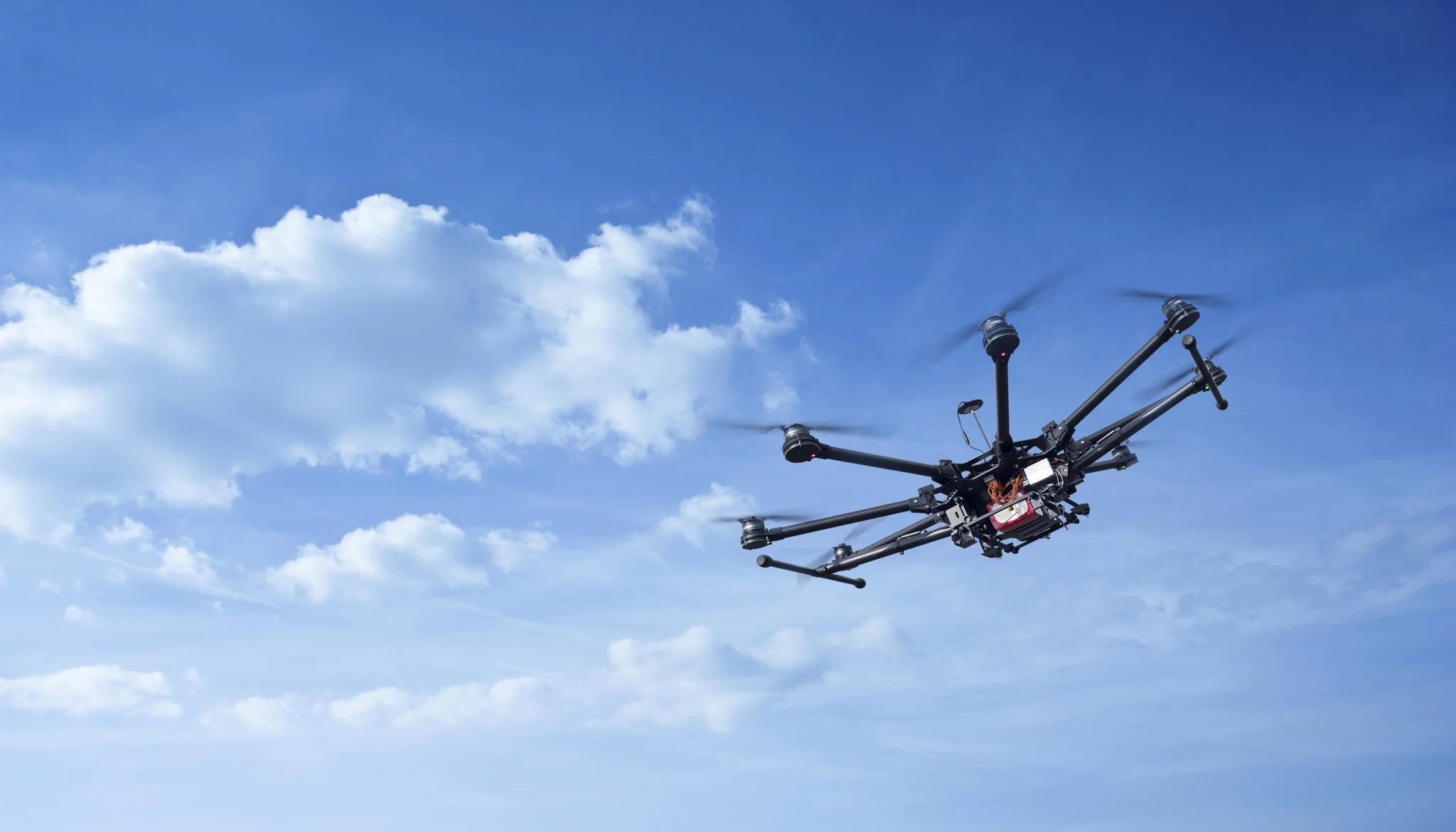


A hydrogen-powered drone developed in China has set a new Guinness World Record after staying airborne for more than four hours, marking a major milestone for clean aviation and long-endurance unmanned flight.
The record was officially confirmed on December 11 at an industry expo in Hangzhou. The drone, named Tianmushan-1, was developed by researchers at Beihang University.
Record-breaking endurance flight
On November 16, Tianmushan-1 flew continuously for over four hours without landing, covering a distance of 188 kilometres (117 miles). The entire flight was monitored and verified to meet Guinness World Records standards before the achievement was formally recognised.
The endurance is remarkable in drone aviation, where most multirotor drones typically remain airborne for less than an hour due to battery limitations.
Why hydrogen makes the difference
Unlike conventional drones that rely on large lithium batteries, Tianmushan-1 uses a hydrogen fuel system. While batteries are effective for short bursts of power and speed, hydrogen offers far superior endurance.
The drone generates energy continuously during flight through its hydrogen system, similar to how a fuel-powered generator operates, allowing it to remain airborne far longer than battery-powered counterparts.
Despite its advanced power system, Tianmushan-1 is not oversized. It is designed to carry practical payloads such as cameras and sensors while maintaining flight stability. Researchers say it can also operate reliably in extreme temperatures, from intense heat to cold environments.
Real-world uses already emerging
The extended flight time makes hydrogen drones particularly suitable for long-duration missions. Applications include pipeline inspection, traffic monitoring, forest and wildlife protection, emergency response, and delivering supplies to remote or difficult-to-access areas.
Because the drone produces no harmful emissions during flight, it is especially attractive for operations in environmentally sensitive zones.
A shift for drone technology
Experts say the record signals that hydrogen-powered drones are moving beyond experimental stages and into real-world deployment. While battery-powered drones will continue to dominate short-range and consumer use, hydrogen systems could redefine professional and industrial drone operations.
Although Tianmushan-1 is unlikely to appear in everyday consumer markets soon, its success suggests a future where drones play a larger role in infrastructure monitoring, disaster management and environmental protection — all with a significantly reduced carbon footprint.