







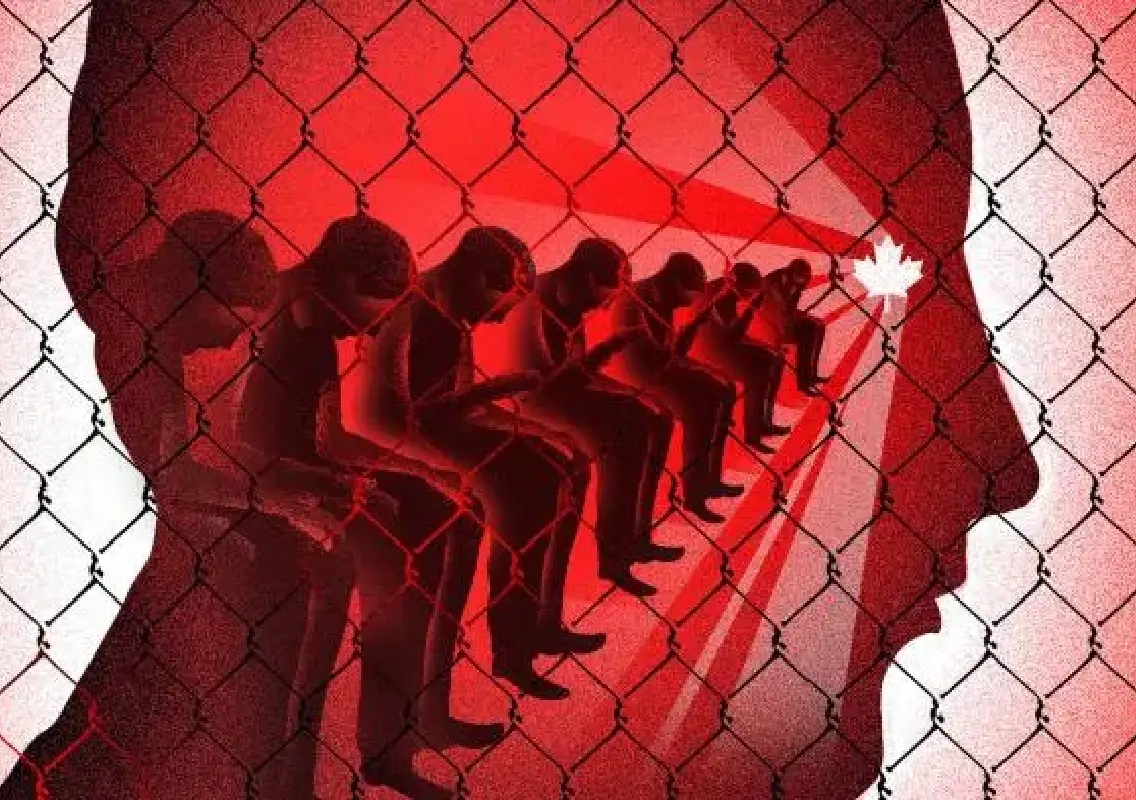


A 30-year-old man suffering from a rare and progressive muscle disorder died in hospital after his father and lifelong caregiver was detained by US immigration authorities, a case that has triggered outrage and renewed scrutiny of Immigration and Customs Enforcement (ICE) practices.
Caretaker detained during routine visit
Wael Tarabishi, who lived with Pompe disease since childhood, depended entirely on his father Maher for daily care, medical coordination and emotional support. According to a report by The Guardian, Maher was detained by Immigration and Customs Enforcement in late October during a routine visit to a field office in Dallas — a visit he had made for years under supervised release.
Maher, a Jordan-born immigrant who arrived in the US in 1994, had no criminal record and had been allowed to remain in the country specifically because he was his son’s primary caregiver.
Health deteriorated after separation
Following Maher’s detention, Wael’s health rapidly declined. He was hospitalised multiple times and underwent several surgeries as family members and lawyers repeatedly appealed to federal authorities to either release Maher temporarily or allow communication between father and son.
All requests were denied, the family said. Wael died in hospital on January 23.
Denied final goodbye
After Wael’s death, the family sought permission for Maher to attend his son’s funeral under supervision. While initial discussions reportedly took place, the request was ultimately denied.
“They didn’t kill him with a bullet,” said Wael’s sister-in-law Shahd Arnaout. “But they killed him inside. Mentally.”
ICE later stated that no formal request had been made, a claim disputed by the family’s attorney, Ali Elhorr, who shared messages indicating the matter had been under consideration.
Allegations and unanswered questions
ICE has alleged that Maher was linked to the Palestine Liberation Organization (PLO), a claim the family strongly denies. Elhorr said the allegation may stem from flawed immigration filings prepared decades ago by an unlicensed individual.
The case has drawn attention to the emotional toll of immigration enforcement on vulnerable families, with the Tarabishis urging the public to recognise the human cost behind policy decisions.