







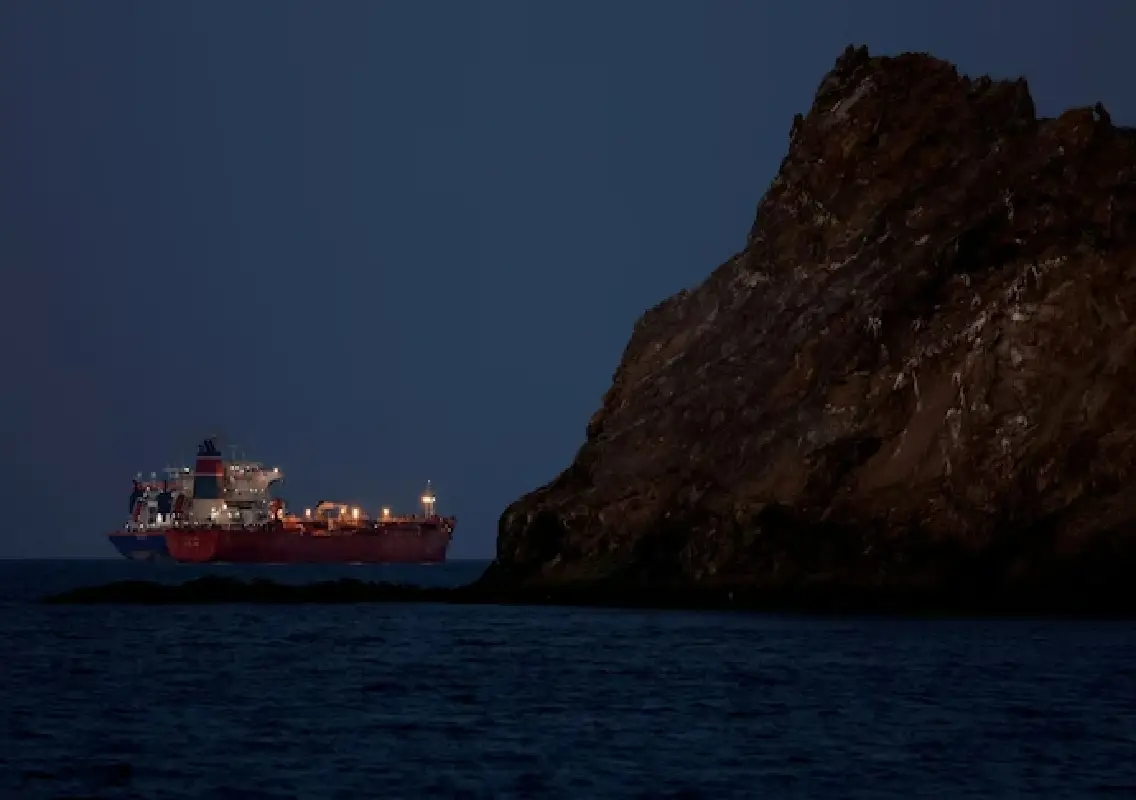


Amid escalating tensions in the Middle East, Iran has announced that it will not impose a blockade on vessels belonging to five “friendly nations,” including India, allowing them safe passage through the strategically critical Strait of Hormuz.
The decision comes even as the region remains on edge following recent military escalations. Besides India, ships from Russia, China, Pakistan, and Iraq have also been permitted to transit through the vital maritime corridor.
Iran confirms partial access to waterway
Speaking to Iranian state television, Foreign Minister Abbas Araghchi clarified that the Strait of Hormuz has not been fully closed, despite earlier concerns of a complete blockade.
He stated that several countries had approached Iran requesting safe passage for their vessels. In response, Iran’s armed forces facilitated transit for nations it considers friendly or strategically aligned.
“You have seen on the news: China, Russia, Pakistan, Iraq, and India. Some of their ships have already passed, and coordination will continue,” Araghchi said, indicating that such arrangements may persist even after the conflict subsides.
Restrictions on ‘enemy nations’
While allowing passage to select countries, Iran has taken a firm stance against vessels linked to its adversaries. Araghchi confirmed that ships belonging to the United States, Israel, and certain Gulf nations involved in the ongoing conflict would not be granted access.
“We are in a state of war. The region is a war zone, and there is no reason to allow ships of our enemies and their allies to pass,” he said.
The remarks underline Iran’s strategic use of the Strait as leverage during the conflict, balancing geopolitical interests with selective economic continuity.
Strategic importance of the Strait
The Strait of Hormuz is one of the world’s most critical maritime chokepoints, handling nearly 20 per cent of global oil and liquefied natural gas shipments. Any disruption in this narrow passage has immediate global repercussions on energy markets and supply chains.
The partial closure announced earlier by Iranian authorities, reportedly following joint military actions involving the United States and Israel, triggered a sharp spike in global oil and gas prices. Concerns over prolonged disruption also raised fears of a wider energy crisis.
Impact on India and global supply chains
India, which imports nearly 90 per cent of its LPG requirements through the Strait, was among the countries significantly affected by the disruption. The temporary blockage led to supply concerns across sectors—from household cooking gas users to small businesses and restaurants.
However, the situation has improved in recent weeks. Indian vessels, including LPG carriers such as ‘Nanda Devi’ and ‘Shivalik’, which were previously stranded in the region, have successfully navigated through the Strait and reached Indian ports.
The latest assurance from Iran is expected to further stabilise supply lines and ease pressure on energy imports.
Assertion of control by Iran
Araghchi also emphasised Iran’s control over the Strait, stating that initial global scepticism about its ability to enforce a blockade had been proven wrong.
He noted that despite attempts by opposing nations to counter the move, Iran managed to assert its authority over the waterway. According to him, appeals to reopen the route through external intervention were unsuccessful, reinforcing Iran’s strategic dominance in the region.
Conclusion
Iran’s decision to allow safe passage to India and other select nations offers a measure of relief amid ongoing geopolitical tensions. While uncertainties persist in the Middle East, the continued operation of the Strait of Hormuz for friendly countries is crucial for maintaining global energy stability.
For India, in particular, the development ensures the continuity of vital fuel supplies, helping mitigate the risk of shortages and economic disruption. However, the evolving situation remains closely watched, given the Strait’s central role in global trade and energy security.