







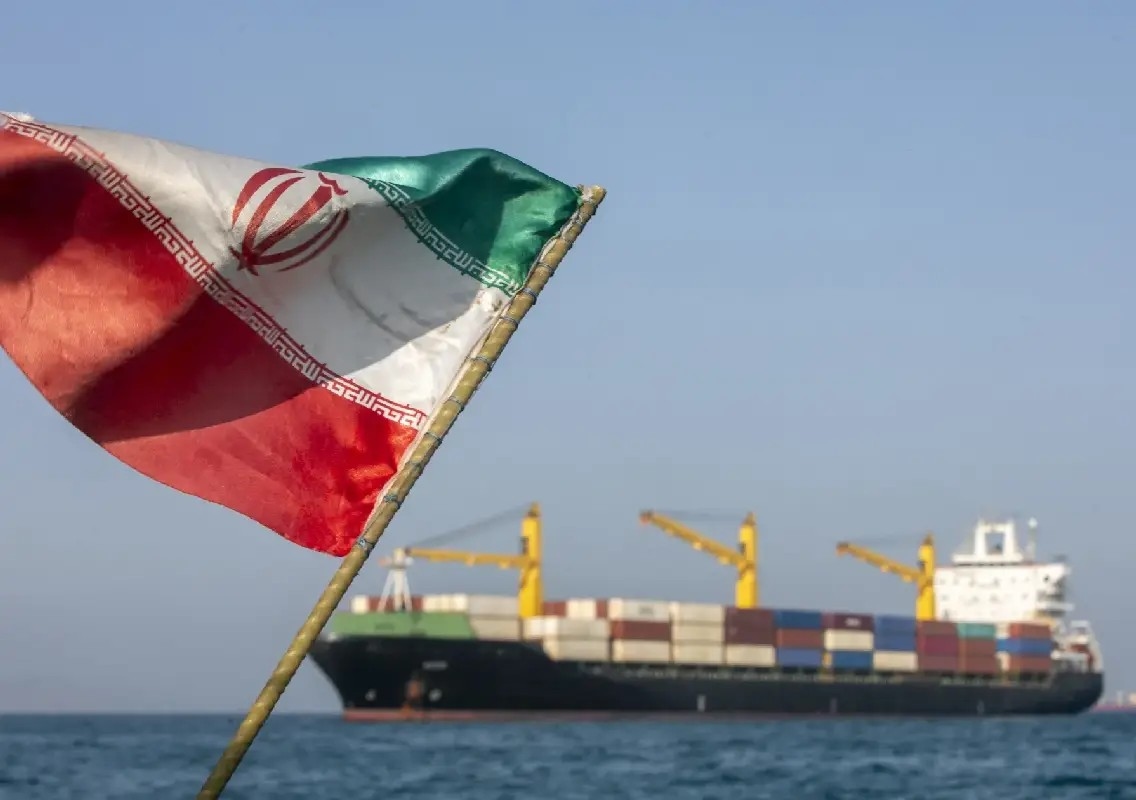


Tehran : Iran’s Islamic Revolutionary Guard Corps (IRGC) has claimed that it has “full control” over the Strait of Hormuz, escalating tensions with the United States over the strategically important waterway. The claim comes as Washington continues its naval blockade of Iranian ports.
Iran rejects US claims
The IRGC Navy said restrictions on the strait would remain in place and rejected US assertions that the waterway remains open. Iranian officials have accused Washington of attempting to influence oil prices and conceal what Tehran described as failures in the region.
The competing claims highlight the uncertainty surrounding commercial shipping through one of the world’s most important energy routes. The Strait of Hormuz connects the Persian Gulf with the Gulf of Oman and is a crucial passage for global oil supplies.
US blockade adds to pressure
The United States has maintained a naval blockade targeting Iranian ports, while Washington has continued to insist on its ability to control shipping movements in the region. The confrontation has created uncertainty for vessels and energy markets, with shipping through the strait remaining below normal levels.
Oil markets have closely followed developments around Hormuz. Recent reports indicate that crude prices have remained volatile as traders assess the possibility of prolonged disruption, although prices have also eased on hopes of diplomatic progress involving Iran and regional mediators.
A wider global concern
The standoff has implications well beyond the Middle East. Any sustained disruption to the Strait of Hormuz could affect oil supplies, shipping costs and inflation across major economies.
With Iran and the US maintaining sharply different positions over control of the waterway, the coming days are likely to remain closely watched by governments, shipping companies and energy markets.