









Iran: In a significant diplomatic development, Iran has formally responded to a US-backed nine-point proposal with a detailed 14-point plan, outlining its conditions for ending ongoing hostilities. The response, reported by Tasnim News Agency, signals Tehran’s push for a comprehensive settlement rather than a temporary ceasefire.
The proposal was conveyed through a Pakistani intermediary, indicating ongoing backchannel diplomacy between the two sides.
Iran rejects extended ceasefire proposal
While the United States had proposed a two-month ceasefire, Iran has rejected the idea of a prolonged truce. Instead, it has called for a complete resolution of all core issues within a 30-day timeframe.
Officials in Tehran have emphasised that a temporary pause in fighting would not address underlying tensions and could prolong instability in the region.
Key demands outlined in proposal
Iran’s 14-point plan includes a series of wide-ranging demands aimed at reshaping regional security and economic arrangements. Among the key points are guarantees against future military aggression, withdrawal of US forces from areas surrounding Iran, and an end to what it describes as a naval blockade.
Tehran has also reiterated longstanding demands, including the release of blocked financial assets, lifting of sanctions, and payment of reparations.
Wider regional de-escalation proposed
Beyond bilateral issues, Iran has expanded the scope of its proposal to include an end to hostilities across multiple fronts, including Lebanon. It has also suggested creating a new mechanism to regulate security and navigation in the strategically important Strait of Hormuz.
The Strait remains a critical global energy corridor, and any changes to its governance could have far-reaching implications for international trade and oil markets.
US response signals scepticism
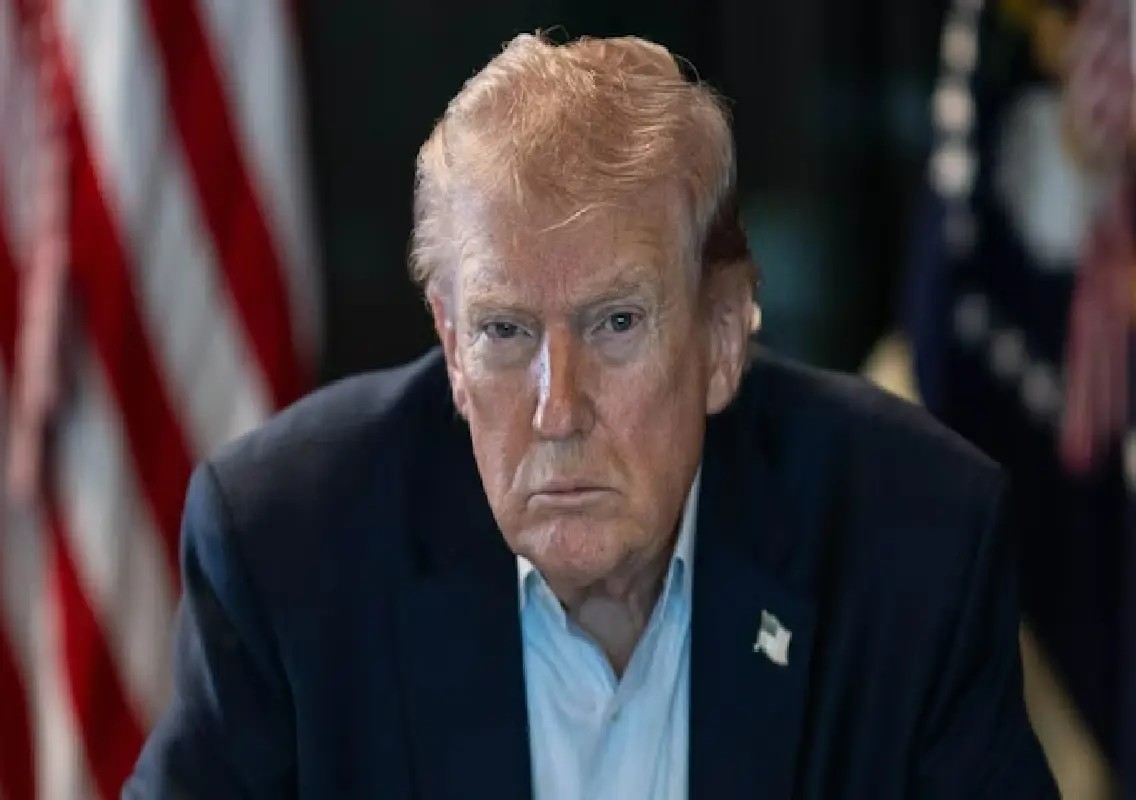
US President Donald Trump responded cautiously, stating that he would review the proposal but expressed doubts about its acceptability. In a post on Truth Social, he remarked that Iran “has not yet paid a big enough price,” indicating continued hardline positioning.
His comments suggest that negotiations may face significant hurdles despite the exchange of proposals.
Row over maritime actions escalates tensions
Tensions between the two countries have intensified further following remarks by Trump describing US naval actions against Iranian-linked vessels as akin to piracy.
Iran strongly objected to the statement, with Foreign Ministry spokesperson Esmaeil Baqaei accusing the United States of “legalising piracy” and violating international maritime law.
Tehran also condemned the reported seizure of oil tankers, including the Majestic X and Tifani, calling the actions “armed robbery on the high seas” and urging the international community, including the United Nations, to intervene.
Concerns over global impact
Analysts warn that escalating tensions could impact global shipping routes, energy supplies, and geopolitical stability. The situation in the Strait of Hormuz, in particular, remains closely watched due to its strategic importance in global oil transit.
Conclusion
Iran’s detailed counterproposal highlights its intent to move towards a comprehensive resolution rather than a temporary ceasefire. However, with both sides maintaining firm positions, the path to de-escalation remains uncertain. The coming days will be crucial in determining whether diplomacy can prevail or tensions continue to escalate.