







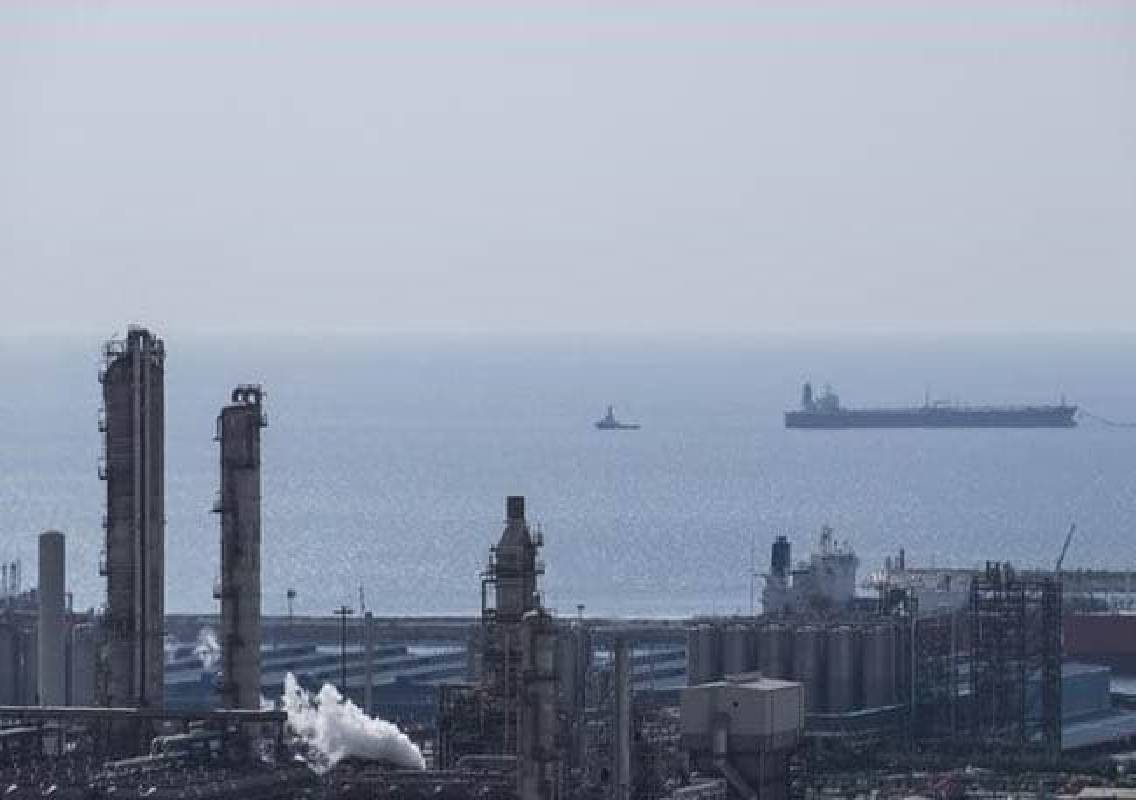


Tehran: Iran has announced the discovery of more than 200 billion cubic metres of natural gas in the southern Fars province, even as the country’s energy sector continues to face disruption amid the ongoing conflict and damage to energy infrastructure. Iranian Petroleum Minister Mohsen Paknejad said more than 160 billion cubic metres of the newly discovered gas could potentially be extracted.
The discovery comes at a critical time for Iran, whose oil and gas infrastructure has been affected by months of conflict and sanctions. While the find could strengthen the country’s long-term energy reserves, analysts say it is unlikely to provide an immediate solution to Iran’s current energy challenges because developing a new gas field and bringing it into production could take years.
New gas reserves found in Fars province
The newly discovered reserves are located in the south of Fars province, according to Paknejad, who announced the find on Iranian state television.
Iran has not only identified more than 200 billion cubic metres of gas at the site but estimates that over 160 billion cubic metres could be commercially recoverable.
Another report citing Iranian officials put the total discovery at approximately 212.4 billion cubic metres, with around 161.41 billion cubic metres considered recoverable.
The difference between the total reserves and recoverable volume reflects the amount of gas that can realistically be extracted using current technology and economic conditions.
Gas described as ‘sweet’ natural gas
Paknejad said the newly discovered gas is classified as sweet natural gas, meaning it contains very little hydrogen sulphide.
Hydrogen sulphide is a toxic and corrosive gas that can increase the complexity and cost of processing natural gas.
The relatively low level of hydrogen sulphide in the newly discovered reserves could therefore make the field cheaper and easier to develop compared with gas deposits requiring extensive treatment.
However, the quality of the gas does not mean production can begin immediately. Significant investment, infrastructure development and field preparation would still be required before commercial extraction.
Potential production could take years
Iran’s announcement provides a boost to the country’s long-term energy prospects, but it is unlikely to immediately address its current gas shortages.
According to reports, any new production from the field would probably take years to materialise.
Paknejad said the field could potentially produce more than 280 million cubic metres of gas per day, or roughly 1 billion cubic feet per day, for around 15 years once it becomes operational.
That potential output would nevertheless represent only a fraction of Iran’s overall daily gas consumption.
The development timeline means the discovery is more significant as a future energy asset than as an immediate source of additional supply.
Discovery comes amid war-related energy disruption
The announcement comes as Iran’s energy industry deals with the consequences of the conflict involving the United States and Israel.
Iran’s energy infrastructure has suffered damage, affecting gas production facilities, oil depots and transportation routes.
The disruption has added pressure to a sector that was already dealing with sanctions, ageing infrastructure and difficulties attracting foreign investment.
The discovery therefore carries political as well as economic significance for Tehran.
Iran’s gas production has faced major challenges
Iran is one of the world’s major holders and producers of natural gas.
Before the conflict, Iranian officials estimated gas production at around 650 million cubic metres per day, equivalent to roughly 240 billion cubic metres annually.
The country also has exceptionally high domestic gas consumption, with much of its production used within Iran rather than exported.
This means that even a large new discovery does not automatically translate into significant additional export revenue.
Iran would first need to develop the field and connect it to its domestic gas network and processing infrastructure.
New field could strengthen Iran’s energy position
If successfully developed, the discovery could add a substantial volume to Iran’s already extensive gas reserves.
The additional recoverable gas could help support electricity generation, industrial activity and household consumption over the longer term.
Iran could also potentially increase exports if domestic demand is adequately met and sufficient infrastructure becomes available.
However, international sanctions remain a major obstacle to investment and technology access.
Sanctions remain a major hurdle
Iran’s energy sector has faced extensive international sanctions for years.
Restrictions have made it more difficult for Iranian companies to access international financing, advanced technology and foreign investment needed for large-scale energy projects.
The country’s ability to develop the new field will therefore depend partly on how effectively it can finance and execute the project under existing economic restrictions.
The ongoing conflict could add further complications by damaging infrastructure or limiting access to equipment and international markets.
Conflict has already affected gas production
The discovery comes after Iran reported significant losses to its gas production capacity during the conflict.
A senior Iranian official said in July that the country expected to restore around 100 million cubic metres per day of natural gas production capacity in the months ahead after damage had reduced output by approximately 230 million cubic metres per day since the war began.
This illustrates the contrast between Iran’s substantial underground reserves and the difficulties involved in converting those reserves into usable energy.
Having large quantities of gas underground does not necessarily guarantee adequate supply if production facilities, pipelines and processing infrastructure are damaged.
What the discovery means for Iran
The new discovery could nevertheless prove strategically important.
Iran has one of the world’s largest natural gas resource bases, and adding another major field could strengthen its position in the global energy market over the long term.
For Tehran, the discovery also provides an opportunity to demonstrate that the country’s energy sector continues to expand despite external pressure.
However, the immediate benefits are likely to be limited because of the time required to develop the field.
Potential impact on the energy market
The discovery is unlikely to have a major immediate impact on global natural gas prices because the reserves cannot quickly be brought into production.
Iran would need to drill additional wells, develop processing facilities, build or expand pipelines and secure the investment required for commercial production.
Moreover, Iran’s domestic consumption is extremely high, meaning much of any additional production could initially be absorbed by the country’s own energy requirements.
The long-term impact could become more significant if Iran eventually develops the field and increases its export capacity.
Iran aims to restore damaged production
Alongside developing new reserves, Iran is attempting to restore gas production capacity damaged during the conflict.
The government has indicated that restoring existing infrastructure is a priority because it can provide additional supply much faster than developing a completely new field.
The newly discovered reserves therefore form part of a longer-term strategy rather than an immediate response to the country’s energy difficulties.
Energy remains central to Iran’s economy
Oil and gas remain among the most important pillars of Iran’s economy.
The country possesses some of the world’s largest hydrocarbon reserves, but sanctions and geopolitical tensions have restricted its ability to fully exploit those resources.
The latest gas discovery highlights the scale of Iran’s natural wealth while also demonstrating the challenges involved in turning underground reserves into economic gains.
For Tehran, the key question will be whether the new field can eventually be developed despite financial, technological and geopolitical constraints.
Conclusion
Iran has announced the discovery of more than 200 billion cubic metres of natural gas in southern Fars province, with officials estimating that more than 160 billion cubic metres could be recoverable. The gas has been described as “sweet”, with low hydrogen sulphide content that could reduce processing and development costs.
The discovery comes as Iran’s energy sector faces significant challenges following months of conflict, damage to infrastructure and continued sanctions. Iranian officials have also been working to restore gas production capacity lost during the conflict.
Although the find could significantly strengthen Iran’s long-term energy position, it is unlikely to ease the country’s immediate energy problems. Any commercial production from the new field is expected to take years, while Iran must also overcome financing, infrastructure and sanctions-related challenges.
For now, the discovery represents an important addition to Iran’s energy reserves and a potentially valuable strategic asset for the future.