







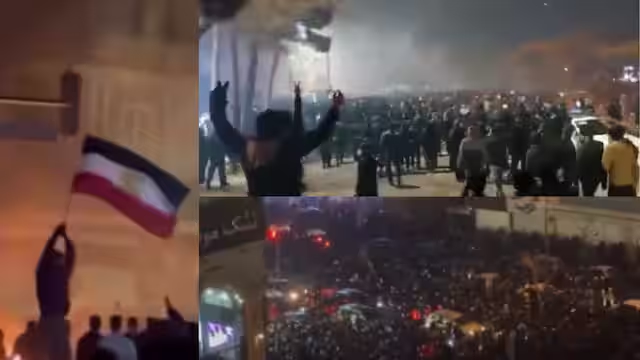


Iranian authorities have imposed a widespread internet blackout after protests in Tehran escalated, with demonstrations now entering their second week and spreading rapidly across the country.
The protests initially erupted over worsening economic conditions, including rising prices, unemployment and declining living standards. Over the past two weeks, the unrest has expanded to more than 100 towns and cities across Iran, gradually taking on a stronger political tone.
Internet restrictions tightened
Officials have restricted or shut down internet access in several areas, a move widely seen as an attempt to curb communication among protesters and limit the spread of videos and images on social media. Similar blackouts have been used during previous waves of unrest in the country.
Residents and activists reported difficulties accessing messaging platforms, social networks and independent news websites, further isolating cities affected by demonstrations.
Protests intensify nationwide
What began as anger over economic hardship has evolved into broader expressions of dissatisfaction, with slogans increasingly targeting governance and state policies. Despite the blackout, reports suggest protests continue in multiple regions, often met with a heavy security presence.
Growing international concern
The internet shutdown and the scale of the unrest have drawn global attention, with rights groups expressing concern over access to information and the safety of demonstrators.
As the blackout continues, uncertainty remains over how long restrictions will stay in place and whether authorities will ease controls amid ongoing public anger.