







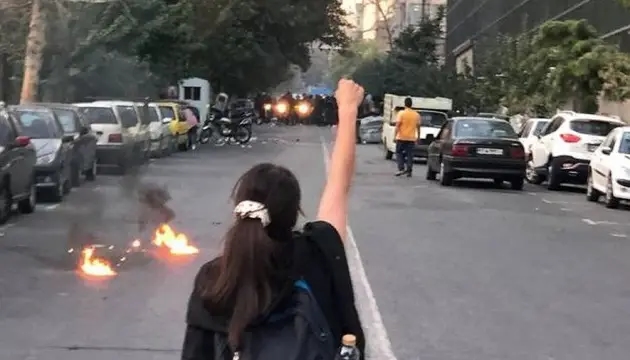


Public protests over Iran’s worsening cost-of-living crisis widened on Tuesday, spreading to universities in several cities as students joined traders and shopkeepers in voicing anger over soaring prices and the rapid fall of the national currency.
Student protests widen across cities
Semi-official Iranian media reported that hundreds of students demonstrated at multiple universities in the capital, Tehran, while similar protests were recorded at a technology university in Isfahan and institutions in Yazd and Zanjan. Reports varied on the scale, with some outlets stating that up to seven university campuses witnessed protests.
Students echoed concerns already raised by merchants and small business owners, focusing on the sharp depreciation of the rial, rising food prices, and shrinking purchasing power. The demonstrations mark a notable expansion of public dissent from marketplaces into academic spaces, traditionally seen as important centres of political expression in Iran.
President promises talks and economic reform
President Masoud Pezeshkian said late on Monday that he had instructed the interior minister to initiate dialogue with protest representatives to address what he described as their “legitimate demands”. In a social media message, the president pledged reforms to the monetary and banking system, aimed at stabilising the economy and protecting household incomes.
Government spokesperson Fatemeh Mohajerani acknowledged public frustration, stating that authorities “hear the voices” of protesters and recognise that the unrest stems from genuine pressure on people’s livelihoods.
Inflation, sanctions and a weakening rial
Iran’s economic strain has deepened sharply in 2025. The rial has lost almost half its value against the US dollar this year, sliding from around 8.17 lakh rials per dollar in January to nearly 14 lakh on Tuesday, according to private exchange platforms. Inflation stood at 42.5 per cent in December.
Analysts point to long-standing US sanctions, renewed UN sanctions after failed nuclear talks, and regional security tensions as key factors worsening the crisis. On Monday, Iran’s central bank chief resigned, amid criticism that recent economic liberalisation policies had increased pressure on the open currency market used by ordinary citizens.
First major unrest since Israel conflict
These demonstrations are the first significant public protests since June’s brief conflict with Israel, which had earlier triggered a wave of patriotic solidarity across the country. Iran has a history of large-scale protests over economic and social issues, including the nationwide unrest following the death of Mahsa Amini in custody in 2022.
While the government also organised a pro-regime rally in Tehran on Tuesday, the spread of protests to universities suggests growing concern over whether economic pressures can be contained through dialogue along.