







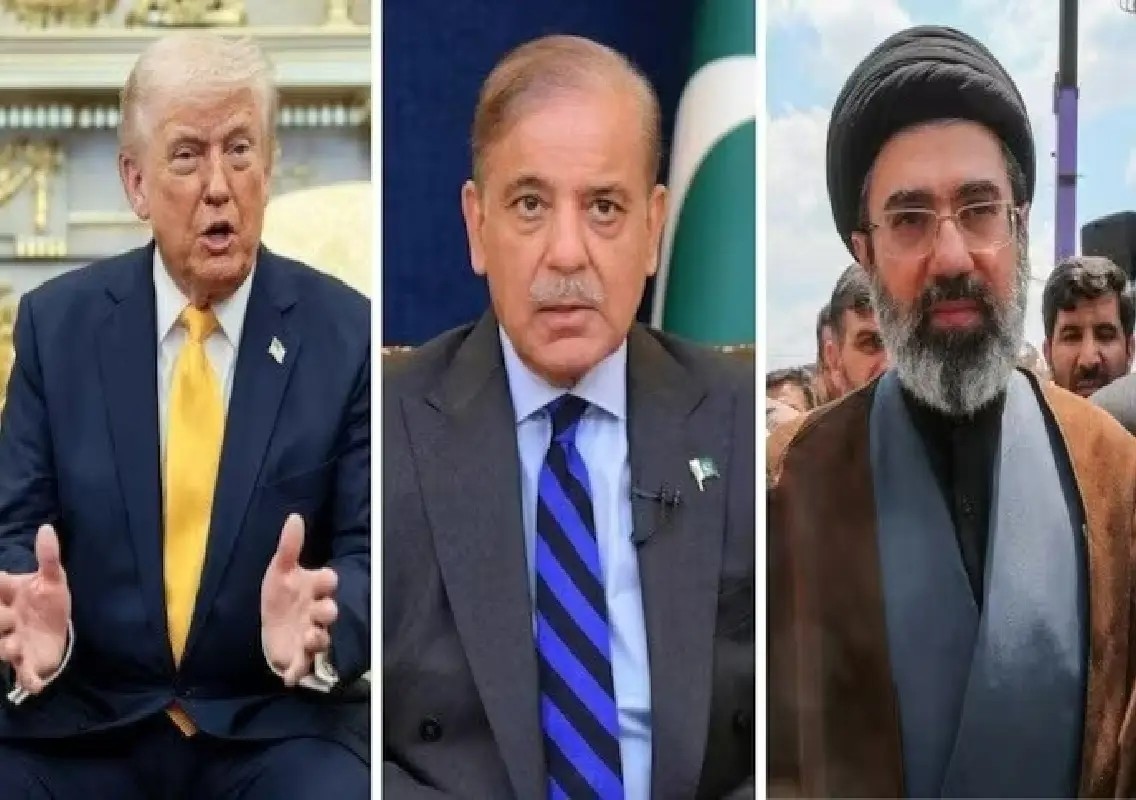


A possible diplomatic breakthrough has emerged in the ongoing United States-Iran standoff after Shehbaz Sharif confirmed that Tehran has conveyed its response to the latest peace proposal put forward by former US President Donald Trump.
The message, reportedly delivered through Pakistan, is being viewed as the clearest sign of progress in weeks amid escalating tensions in the Gulf region.
Speaking during an event in Islamabad on Sunday, Shehbaz Sharif said Pakistan’s mediation efforts were continuing sincerely in an attempt to achieve lasting peace and prevent further escalation.
“Our sincere efforts are still ongoing for durable peace in the region and the world,” Sharif said.
He further revealed that Pakistan Army Chief Field Marshal Asim Munir had informed him earlier in the day that Iran’s response to the US proposal had been received.
“And I cannot go into further details,” he added.
Pakistan emerges as key mediator
The latest development has placed Pakistan at the centre of an intensifying diplomatic effort aimed at defusing tensions between Washington and Tehran.
Iranian state media later confirmed that Tehran had formally communicated its response to the United States through Pakistani intermediaries.
According to reports, Iran’s proposal focused largely on ending hostilities in the region and restoring maritime security in the Gulf and the Strait of Hormuz.
The ongoing crisis in the strategically crucial waterway has significantly disrupted global oil supply chains and contributed to rising fuel prices worldwide.
High-level talks may take place soon
A senior Pakistani official familiar with the discussions reportedly stated that preparations were underway in Islamabad for another round of high-level diplomatic negotiations.
“You can see big news about the talks as early as this Wednesday,” the official reportedly said.
According to reports, meetings involving relevant government and diplomatic officials have already begun in the Pakistani capital to prepare for the possible negotiations.
US proposal centred on nuclear restrictions
The latest diplomatic exchange follows a reported 14-point proposal sent by the United States earlier this week.
Under the proposed framework:
- Iran would suspend uranium enrichment activities for at least 12 years
- Tehran would abandon any pathway towards nuclear weapons development
- Highly enriched uranium stockpiles would reportedly be surrendered
In return:
- The United States would gradually ease sanctions
- Frozen Iranian financial assets worth billions of dollars could be released
- The US naval blockade targeting Iranian ports would reportedly be withdrawn
However, Iran’s nuclear programme continues to remain the biggest obstacle in reaching a final agreement.
Tehran has repeatedly opposed demands for long-term suspension of uranium enrichment activities.
Strait of Hormuz crisis intensifies pressure
Despite fresh diplomatic momentum, tensions surrounding the Strait of Hormuz remain extremely high.
Iran has continued restrictions on foreign shipping through the waterway since the conflict escalated earlier this year.
In response, Washington imposed a counter-blockade on Iranian ports last month.
The confrontation has triggered sharp increases in global fuel prices and added economic pressure on several countries, including Pakistan.
Reports suggest Islamabad has been attempting to persuade Tehran to adopt a more flexible negotiating position due to growing concerns over the economic impact of the prolonged Gulf crisis.
Global attention shifts to upcoming developments
The diplomatic push comes ahead of Donald Trump’s expected visit to China later this week.
Observers believe Beijing could play a critical role in easing Gulf tensions due to its strong economic relationship with Iran and dependence on Gulf energy supplies.
China remains one of Iran’s largest oil customers and is seen as an influential stakeholder in any future regional settlement.
While details of Iran’s formal response remain undisclosed, the latest developments have raised cautious hopes of renewed negotiations and a possible reduction in tensions in the Gulf region.