







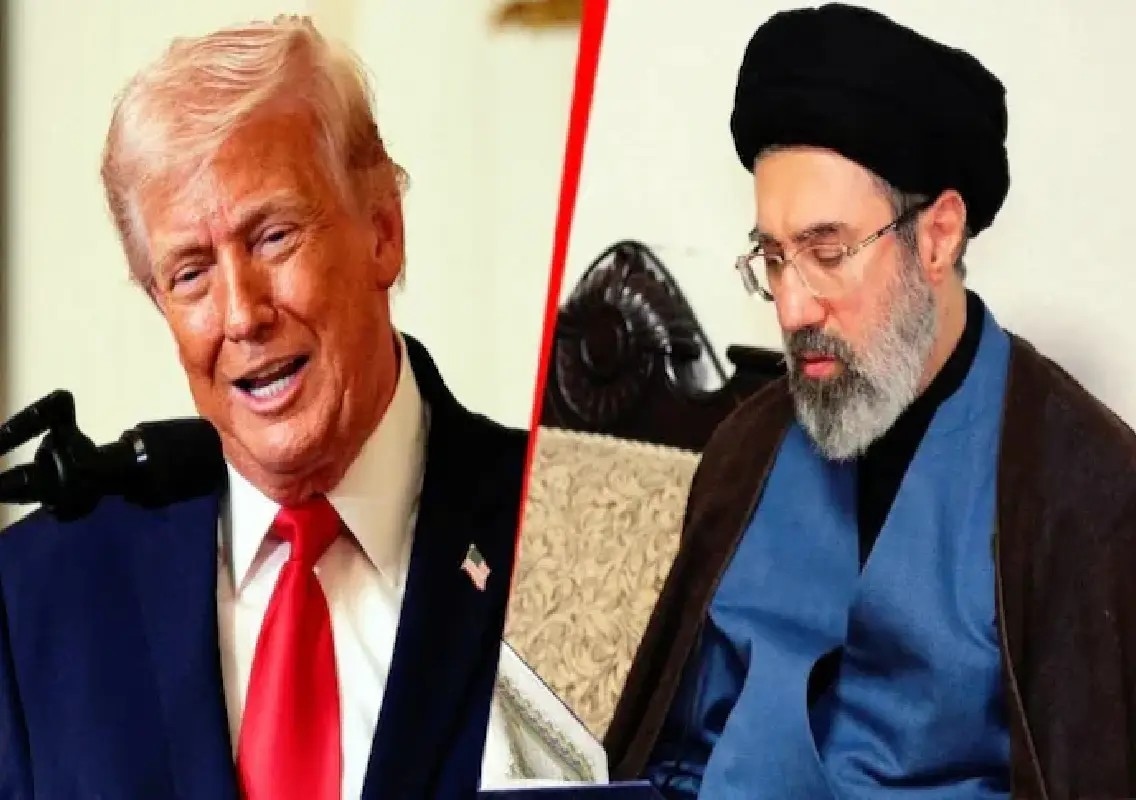


Tehran: Iran is reviewing a fresh peace proposal from the United States aimed at ending the conflict that began on February 28, even as major disagreements continue over Tehran’s nuclear programme and control of the strategically important Strait of Hormuz.
US President Donald Trump expressed optimism on Wednesday regarding the ongoing negotiations, saying discussions between Washington and Tehran had made progress over the past 24 hours.
“They want to make a deal. We’ve had very good talks over the last 24 hours, and it’s very possible that we’ll make a deal,” Trump told reporters at the White House.
However, Trump had earlier warned that the United States could resume bombing operations if negotiations failed, describing Iran’s acceptance of the proposal as a “big assumption”.
Proposal reportedly aims to end hostilities
According to reports, the latest US proposal is contained in a one-page memorandum intended to formally end the ongoing conflict and initiate a 30-day period of structured negotiations between the two countries.
The proposed talks would reportedly focus on:
- Reopening shipping routes through the Strait of Hormuz
- Easing US sanctions imposed on Iran
- Restricting aspects of Iran’s nuclear programme
The Strait of Hormuz remains one of the world’s most critical maritime trade routes, previously carrying nearly one-fifth of global oil and gas supplies.
Any disruption in the region has significant implications for global energy markets and international shipping.
Tehran yet to formally respond
Despite the diplomatic activity, Iranian authorities have not yet officially responded to the latest American proposal.
It also remains unclear how the new framework differs from the 14-point proposal that Iran reportedly submitted last week.
Officials and political figures in Tehran reacted cautiously to reports suggesting a possible breakthrough in negotiations.
Iranian lawmaker Ebrahim Rezaei reportedly described the American proposal as “more of an American wish-list than reality”.
Meanwhile, Iranian Parliament Speaker Mohammad Baqer Qalibaf dismissed suggestions that the two sides were close to reaching an agreement.
Key disputes remain unresolved
Despite signs of diplomatic engagement, Washington and Tehran remain sharply divided over several critical issues.
The biggest point of contention continues to be Iran’s nuclear programme.
The United States and its allies have repeatedly demanded strict limitations on Iran’s uranium enrichment activities, arguing that such activities could potentially enable Tehran to develop nuclear weapons.
Iran, however, continues to deny seeking nuclear arms and insists that its nuclear programme is intended for peaceful civilian purposes.
Another major issue involves future access and security arrangements in the Strait of Hormuz, which remains central to global energy supply chains.
US negotiating team includes senior figures
Reports indicate that negotiations on behalf of the United States are being led by Trump envoy Steve Witkoff along with Trump’s son-in-law Jared Kushner.
Sources suggest that if both sides agree to the preliminary framework, broader formal negotiations could begin immediately.
Diplomatic observers believe the talks represent one of the most significant efforts in recent months to reduce tensions between the two countries.
Oil markets react to possibility of deal
Global financial and energy markets responded strongly to reports of possible diplomatic progress.
The prospect of a negotiated settlement briefly pushed Brent crude oil prices to two-week lows before prices partially recovered later in trading.
Global stock markets also recorded gains amid hopes that easing tensions could stabilise energy supplies and international shipping routes affected by the conflict.
Analysts noted that the conflict had already disrupted parts of the regional energy trade and contributed to volatility in global oil markets.
Netanyahu reiterates concerns
Meanwhile, Benjamin Netanyahu stated that he and Trump agreed that all enriched uranium must be removed from Iran to prevent Tehran from acquiring nuclear weapons capability.
Israel has consistently opposed any agreement that would allow Iran to retain significant uranium enrichment infrastructure.
Iranian authorities, however, continue to reject accusations that they are pursuing nuclear weapons development.
Diplomatic uncertainty continues
While Trump’s comments have fuelled speculation about a possible breakthrough, significant uncertainty remains surrounding the negotiations.
Experts believe any final agreement would likely require difficult compromises on sanctions relief, nuclear inspections, regional security guarantees, and maritime access.
For now, both sides appear to remain engaged in cautious diplomacy while simultaneously maintaining pressure through political and military messaging.
Further developments are expected as Tehran reviews the latest proposal and international negotiators continue discussions over a possible framework for peace.