







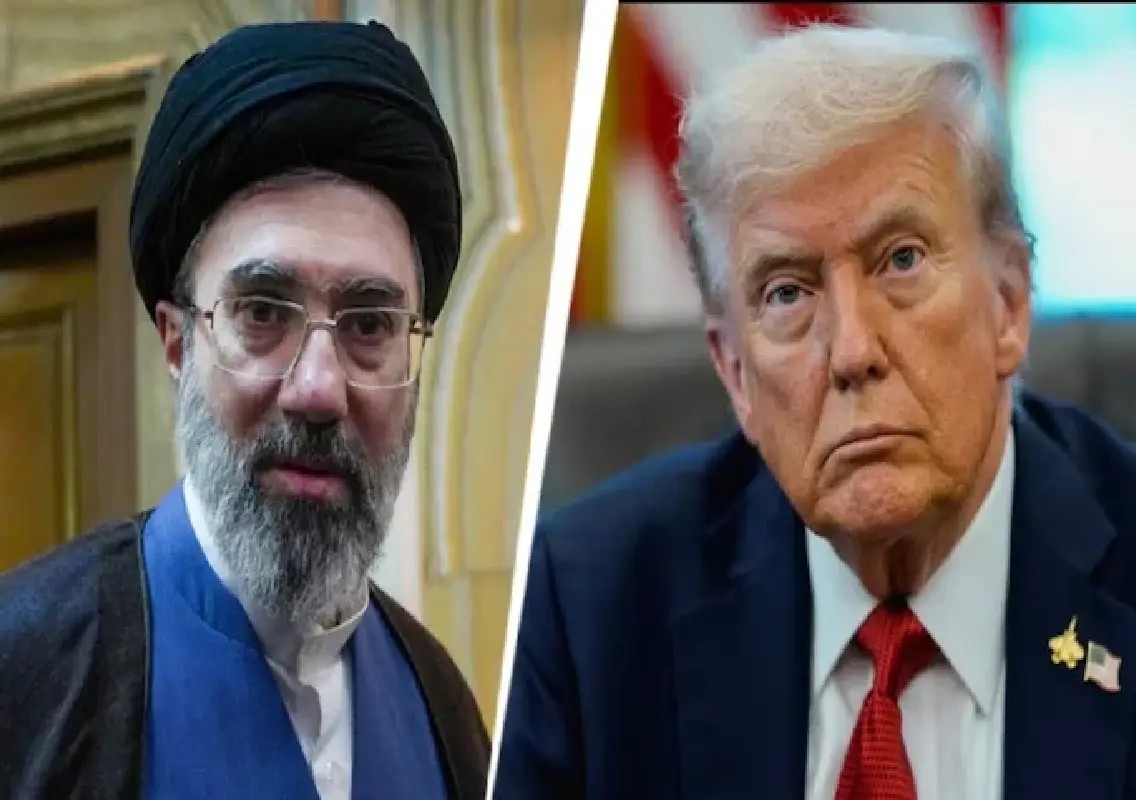


Iran is reviewing a new proposal from the United States aimed at ending the more than two-month-long conflict between the two sides, with a response expected after internal consultations, officials said.
According to Iran’s foreign ministry spokesperson, the country will communicate its position through Pakistan, which is acting as a mediator in the absence of direct talks between Washington and Tehran.
Proposal under review in Tehran
The development indicates that diplomatic channels remain open despite ongoing tensions. The proposal is currently being examined by Iranian authorities, with deliberations underway before a formal response is issued.
Pakistan has been facilitating communication between the two sides, continuing its role as an intermediary in the conflict.
Trump issues warning
Shortly before Iran’s statement, US President Donald Trump warned of serious consequences if Tehran rejects the proposal.
Posting on Truth Social, Trump said that if Iran agrees to the terms, hostilities could end and maritime access through the strategically important Strait of Hormuz would be reopened to all, including Iran.
However, he cautioned that failure to accept the proposal could lead to renewed military escalation, with strikes potentially intensifying beyond previous levels.
Strategic importance of Hormuz Strait
The Strait of Hormuz is a critical global energy corridor through which a significant portion of the world’s oil supply passes. Any disruption in the region has far-reaching implications for global markets and energy security.
Diplomatic uncertainty remains
While the proposal offers a potential pathway to de-escalation, uncertainty remains over whether both sides can reach common ground. Analysts note that indirect negotiations through intermediaries often prolong decision-making but can also help avoid immediate confrontation.
Conclusion
As Iran reviews the US proposal, the coming days are expected to be crucial in determining whether diplomacy prevails or tensions escalate further. With Pakistan playing a key mediating role, the outcome could significantly impact regional stability and global energy dynamics.