







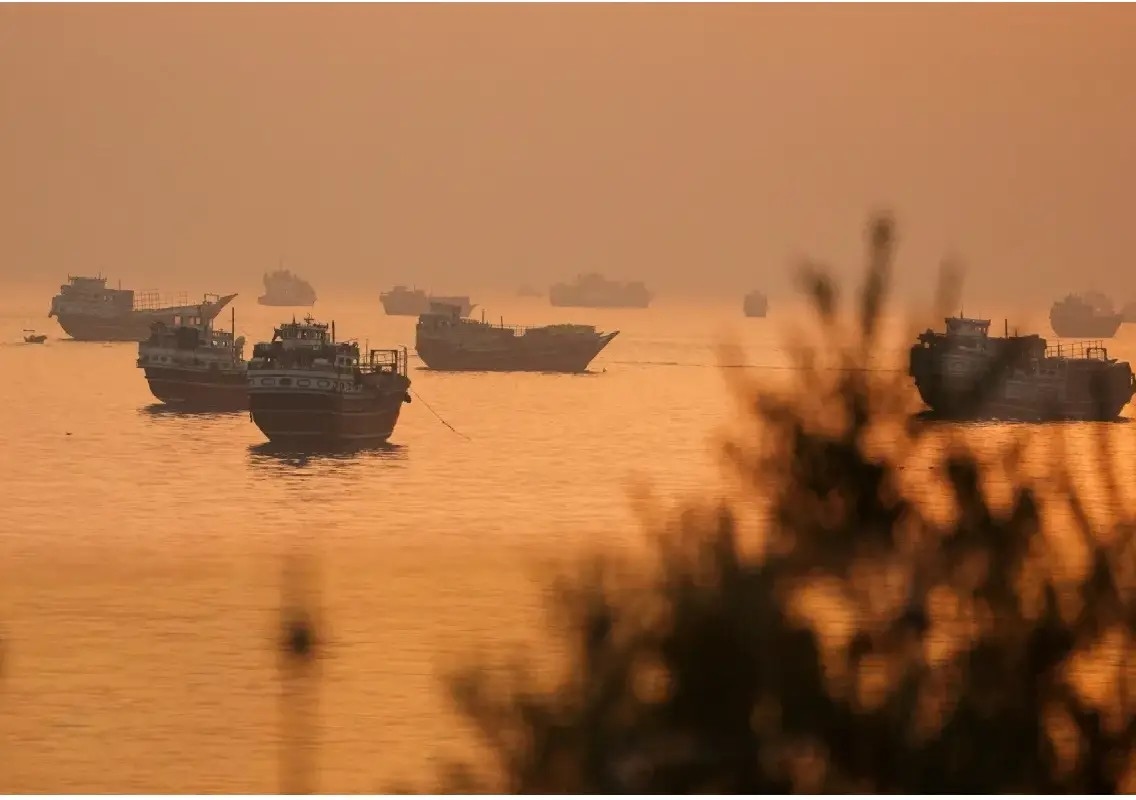


Iran: Iran has announced the closure of the strategic Strait of Hormuz until further notice, significantly escalating tensions in the Middle East and triggering concerns over global energy supplies and maritime security.
According to Iranian state media, the decision came after Iranian forces fired a warning shot at a vessel that was reportedly using an unauthorised route. Tehran has stated that the waterway will remain closed until what it describes as “US interference” in the region comes to an end.
Why the Strait of Hormuz matters
The Strait of Hormuz is one of the world’s most critical shipping lanes, with nearly one-fifth of global oil exports passing through it every day. Any disruption to traffic in the narrow waterway has the potential to affect international oil prices, shipping costs and energy security across the globe.
Countries such as India, China, Japan and South Korea, which depend heavily on crude oil imports from the Gulf region, could face economic consequences if the closure continues for an extended period.
Global concerns grow
The announcement is being viewed as both a military and political message amid rising tensions between Iran, the United States and its regional allies. While a short-term closure may primarily unsettle global markets, a prolonged blockade could have far-reaching implications for international trade and energy supplies.
Diplomatic efforts are expected to intensify in the coming days, with regional mediators, including Oman, likely to play a key role in preventing further escalation and ensuring safe passage for commercial vessels.
What happens next?
The coming days will be crucial in determining whether the closure is used as a bargaining tool or develops into a prolonged maritime crisis. Global markets, shipping companies and governments are closely monitoring developments, as any escalation could have widespread economic and geopolitical consequences.