







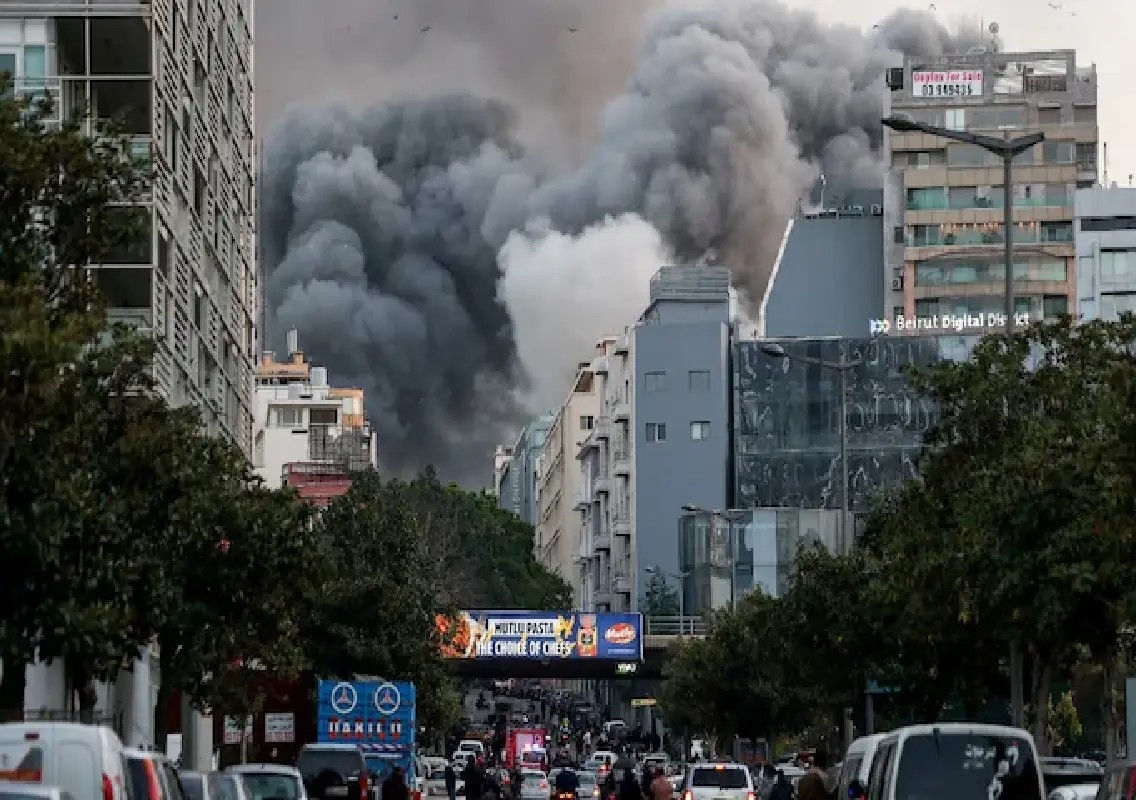


Tehran: Iran has warned that any Israeli attack on Beirut could have serious regional consequences and potentially trigger a renewed conflict, even as diplomatic efforts between Tehran and Washington continue. The warning comes amid ongoing tensions involving Israel and Lebanon, alongside negotiations aimed at reaching a broader understanding between Iran and the United States.
Iranian officials have indicated that while diplomatic channels remain open, Tehran is prepared to respond strongly to any escalation involving Lebanon, a key regional ally.
Iran signals readiness to respond
According to remarks reported by Iranian media, Iranian Foreign Minister Abbas Araghchi said Tehran had made its position clear regarding any potential Israeli strike on Beirut.
Speaking to Lebanon-based media outlet Al Mayadeen, Araghchi stated that Iran would not remain silent if the Lebanese capital came under attack. He added that Iranian authorities had adopted what he described as a decisive stance when threats were made against Beirut’s southern suburbs.
The minister further claimed that Iran had placed its armed forces on full alert to prepare for any possible developments arising from such a scenario.
The comments underscore Iran’s continued support for Lebanon and its concern over the possibility of renewed hostilities in the region.
Tensions linked to Israel-Hezbollah situation
The warning comes against the backdrop of ongoing tensions involving Israel and the Lebanese group Hezbollah.
Recent diplomatic efforts have focused on preventing further escalation after concerns emerged over the possibility of expanded military operations in Lebanon.
According to statements made by US President Donald Trump, both Israel and Hezbollah had agreed to halt hostilities, a move he described as helping prevent a broader conflict.
Trump portrayed the development as a diplomatic success that reduced the immediate risk of a major Israeli offensive in Lebanon.
However, the latest remarks from Iranian officials indicate that concerns over regional stability remain significant despite the temporary easing of tensions.
Iran-US negotiations continue
At the same time, Iran has confirmed that communication channels with the United States remain open.
Araghchi stated that diplomatic contacts between Tehran and Washington have not been severed, although substantial progress has yet to be achieved.
According to the foreign minister, both sides are currently reviewing draft proposals that have been exchanged during negotiations.
Officials associated with Iran’s negotiating team also indicated that Tehran has not yet submitted its formal response to the latest proposal presented by the United States.
They emphasised that discussions remain ongoing and that no final decision has been reached regarding the terms of any potential agreement.
Nuclear issues remain central
One of the most significant issues under discussion continues to be Iran’s stockpile of highly enriched uranium.
Speaking at the White House, Trump suggested that negotiations were progressing and indicated that an agreement could potentially be reached within days.
The US president stated that Iran appeared to be close to finalising the necessary documents, while cautioning that negotiations had not yet concluded.
Trump also claimed that under the framework currently being discussed, the United States would gain control over Iran’s stockpile of highly enriched uranium, a key issue that has long complicated efforts to reach a comprehensive agreement.
The future of Iran’s nuclear programme remains one of the most sensitive aspects of negotiations between the two countries.
Regional concerns remain significant
Iranian officials have also stressed that broader regional issues cannot be separated from discussions with Washington.
According to reports, members of Iran’s negotiating team have maintained that any future understanding must take regional considerations into account, including developments affecting Lebanon.
Observers note that the negotiations are taking place at a time of heightened uncertainty across the Middle East, where military tensions and diplomatic initiatives are unfolding simultaneously.
The situation highlights the delicate balance between efforts to reduce regional conflict and attempts to secure progress on long-standing disputes surrounding Iran’s nuclear programme.
Diplomatic efforts continue amid uncertainty
While recent statements from both Tehran and Washington suggest that discussions remain active, major differences continue to exist on several key issues.
Iran’s warning regarding Beirut demonstrates the country’s willingness to take a firm position on regional security matters, even as it pursues diplomatic engagement with the United States.
With negotiations continuing and tensions in the region remaining unresolved, international attention is likely to remain focused on both the Iran-US talks and developments involving Israel and Lebanon in the coming days.