







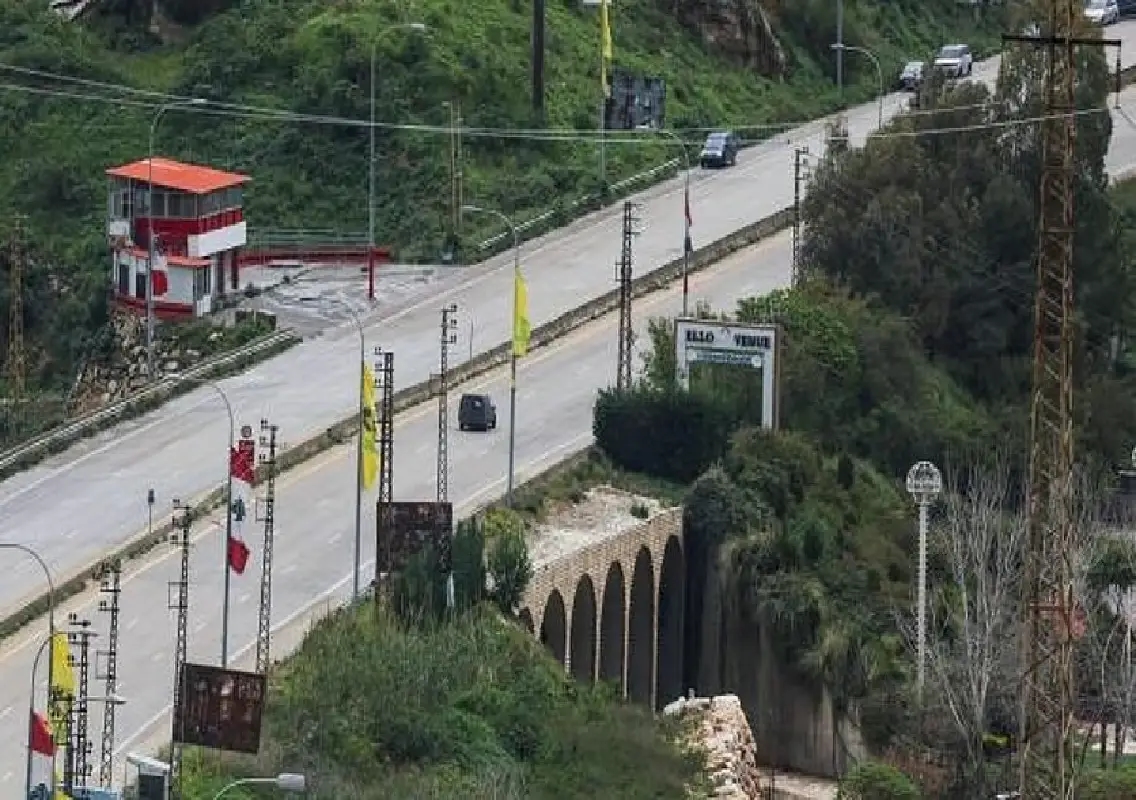


In a significant escalation of tensions in the Middle East, Israel has ordered its military to destroy all bridges over the Litani River and intensify the demolition of homes near the border with Lebanon.
The directive was issued by Israel’s Defence Minister Israel Katz on Sunday, as cross-border hostilities with the Iran-backed militant group Hezbollah continue to intensify.
Orders aimed at curbing militant movement
According to Katz, the military has been instructed to target bridges allegedly used for “terrorist activity” in order to prevent the movement of Hezbollah fighters and weapons into southern Lebanon.
In addition to infrastructure strikes, the Israeli military has been told to accelerate the demolition of residential buildings in so-called “frontline villages” near the border. The objective, officials say, is to create a buffer zone to protect Israeli communities from cross-border attacks.
Katz reportedly compared the strategy to previous military operations in Gaza, particularly in areas like Beit Hanoun and Rafah, where large-scale demolitions were carried out to establish security perimeters.
Rising casualties and first civilian death
The escalation follows a recent incident in which an Israeli civilian was killed near the border after what the military described as a “launch” from Lebanese territory. This marks the first reported civilian fatality in Israel linked to fire from Lebanon in the current phase of the conflict.
Additionally, two Israeli soldiers have been killed in ongoing clashes in southern Lebanon.
On the Lebanese side, the situation is far more severe. Reports indicate that more than 1,000 people have been killed so far, with several lakh residents displaced due to continuous airstrikes and ground operations.
Intensified military operations
Israel has been conducting an extensive bombing campaign targeting Hezbollah positions in southern Lebanon and parts of Beirut. The offensive comes after Hezbollah initiated attacks in response to Israeli actions against Iranian leadership, further widening the scope of the conflict.
Israeli forces have also undertaken ground operations, including targeted raids on villages suspected of harbouring militants and weapons stockpiles.
Earlier this month, Israeli forces destroyed multiple bridges over the Litani River, citing their strategic use by Hezbollah. The latest order signals a broader and more systematic effort to dismantle infrastructure in the region.
International concern and legal implications
The escalation has drawn criticism from international bodies and leaders. The United Nations human rights chief has raised concerns over Israel’s actions, particularly the widespread use of evacuation orders and attacks on infrastructure.
Under international law, civilian infrastructure such as bridges and homes is generally protected unless it is being used for military purposes. The destruction of such assets has therefore sparked debate over the legality and proportionality of Israel’s military strategy.
Diplomatic efforts and warnings
Amid rising tensions, diplomatic engagements are ongoing. Jean-Noel Barrot recently met with his Israeli counterpart Gideon Saar in Jerusalem.
Barrot expressed France’s reservations about a prolonged ground operation and emphasised the need for a political solution rather than a purely military approach.
Earlier, Israel had warned the Lebanese government of potential infrastructure damage and territorial consequences if Hezbollah was not disarmed. While Lebanon has officially outlawed Hezbollah’s military activities, it has also expressed willingness to engage in direct talks with Israel.
Regional instability deepens
The ongoing conflict has significantly destabilised the region, with fears of a broader war involving multiple actors. The involvement of Iran-backed groups and the scale of Israeli military operations have raised concerns among global powers.
The destruction of key infrastructure like bridges could further isolate communities, disrupt humanitarian aid, and complicate evacuation efforts for civilians caught in the conflict.
Conclusion
Israel’s order to destroy bridges over the Litani River marks a major escalation in its conflict with Hezbollah, with significant humanitarian and geopolitical implications. As military operations intensify, international pressure is mounting for restraint and dialogue to prevent further deterioration of the situation.