







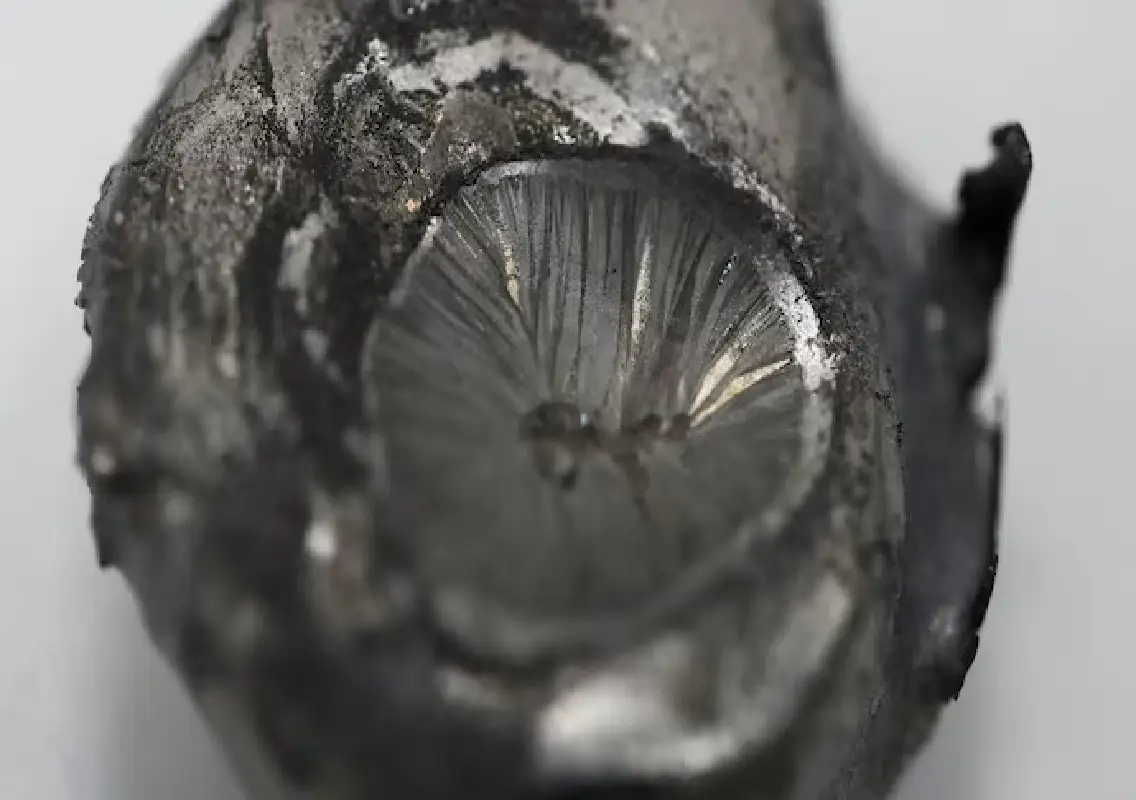


Tokyo: Japan has successfully recovered rare-earth-rich mud from the seabed at a depth of about 6 kilometres near Minamitori Island, marking a major milestone in its efforts to secure alternative sources of critical minerals amid tightening Chinese export restrictions. The deep-sea recovery mission, carried out by a government-backed scientific expedition, is being seen as a strategic step toward strengthening mineral self-reliance for high-technology and clean energy industries.
The operation was conducted by the scientific drilling vessel Chikyu, operated by the Japan Agency for Marine-Earth Science and Technology (JAMSTEC). The vessel departed on January 12 and began recovery operations on January 30, with the first confirmed retrieval of rare-earth mud reported on February 1 by the Cabinet Office’s national platform for innovative ocean development.
Deep-sea mission near Minamitori Island
The recovery mission took place near Minamitori Island, located about 1,900 kilometres southeast of mainland Japan. The region has long been identified by Japanese researchers as a promising zone for deep-sea rare-earth deposits.
According to JAMSTEC officials, recovery operations were successfully completed at three different seabed locations during the expedition. The vessel used specialised deep-sea drilling and sampling technology designed to operate under extreme pressure and low-temperature conditions found at depths of around 6 km.
Officials said the recovered mud samples will now be transported to Shimizu port, where detailed laboratory analysis will be conducted after the vessel’s scheduled return around mid-February. Scientists will examine the concentration, extractability and commercial viability of the rare earth elements contained in the material.
Key minerals found in recovered samples
Preliminary assessments indicate that the recovered mud contains several high-value rare earth elements essential for advanced manufacturing and green technologies.
These include:
- Dysprosium and neodymium, widely used in high-performance magnets for electric vehicle motors and wind turbines
- Gadolinium, used in medical imaging and specialised electronics
- Terbium, used in energy-efficient lighting, displays and defence technologies
Rare earth elements are critical inputs for sectors such as electric mobility, renewable energy, semiconductors, robotics and defence systems. Securing stable supplies has become a priority for many industrialised economies due to supply chain concentration risks.
Monazite and similar rare-earth-bearing minerals are typically processed to extract these elements, which are difficult and environmentally intensive to refine.
Strategic push amid supply chain risks
The recovery effort comes at a time when global rare earth supply chains are under strain due to export controls and geopolitical tensions. China remains the dominant global supplier and processor of rare earth elements and has recently tightened export regulations on several dual-use and strategic materials.
Japanese authorities have been actively pursuing diversification strategies to reduce dependence on any single country for critical minerals. Deep-sea resources within Japan’s exclusive economic zone are viewed as a potentially important long-term alternative.
Officials associated with the ocean development platform said the latest recovery confirms both the technical feasibility and resource potential of ultra-deep-sea rare-earth mud extraction.
A Japanese component manufacturer this week also indicated that Chinese export restrictions are already affecting parts of its supply chain, prompting accelerated efforts to find alternate sourcing channels.
Next step: full-scale mining trial
JAMSTEC representatives indicated that, subject to favourable analysis results, Japan plans to move toward a full-scale mining trial as early as February 2027.
Before that stage, multiple steps remain, including:
- Detailed geochemical analysis of recovered mud
- Environmental impact assessments
- Extraction efficiency studies
- Cost and scalability modelling
- Technology validation for continuous deep-sea operations
Deep-sea mining remains a technically complex and environmentally sensitive activity. International debates are ongoing about regulatory frameworks and ecological safeguards for seabed resource extraction.
Japanese officials have stated that any future mining activity would be undertaken under strict scientific and environmental standards.
Technology and energy security implications
Rare earth elements play a central role in next-generation technologies, particularly in the transition to low-carbon energy systems. Permanent magnets containing neodymium and dysprosium are essential for compact, high-efficiency motors used in electric vehicles and offshore wind turbines.
By developing domestic or controlled-source supplies, Japan aims to shield its manufacturing sector from geopolitical shocks and price volatility. The success of deep-sea recovery operations could also position the country as a technological leader in subsea resource extraction.
Industry observers say that while commercial production is still some years away, the successful retrieval from 6 km depth demonstrates significant progress in offshore mineral technology.
Conclusion
Japan’s successful recovery of rare-earth-rich mud from ultra-deep seabed locations marks a notable advance in its mineral security strategy. With critical elements identified in the samples and further analysis underway, the mission strengthens prospects for diversified rare earth supply. If future trials prove viable, deep-sea resources could become an important pillar of Japan’s long-term technology and energy resilience.