







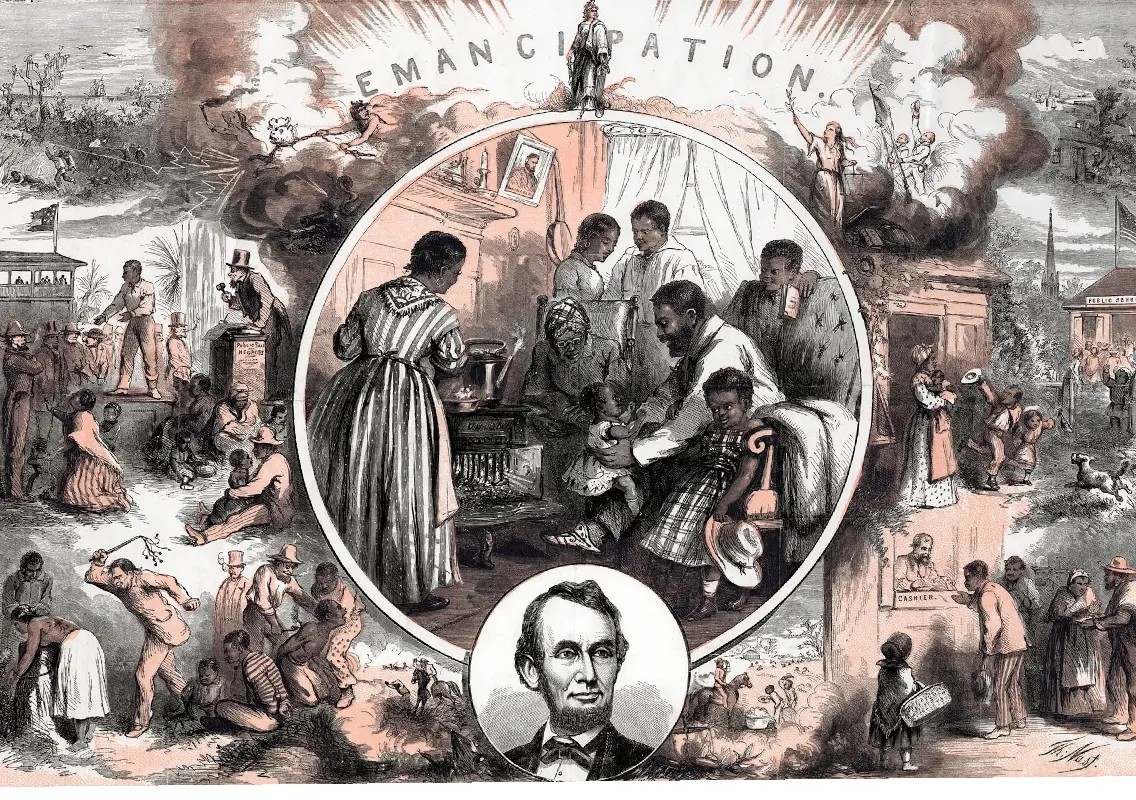


Juneteenth, one of the most significant commemorative days in American history, marks the end of slavery in the United States and celebrates the freedom of African Americans.
Observed annually on June 19, the holiday derives its name from the combination of “June” and “nineteenth”. It is also widely known as Freedom Day, Jubilee Day and America’s Second Independence Day.
A delayed message of freedom
Juneteenth commemorates June 19, 1865, when Union troops arrived in Galveston, Texas, and informed more than 250,000 enslaved African Americans that they were free.
The announcement came more than two years after then US President Abraham Lincoln issued the Emancipation Proclamation on January 1, 1863, declaring enslaved people in Confederate states legally free.
The arrival of federal troops ensured that the proclamation was finally enforced in Texas, one of the last Confederate territories where slavery persisted.
From local observance to national holiday
Juneteenth celebrations began as early as 1866, with newly freed African Americans gathering for prayer services, community events, cultural programmes and family reunions.
For decades, the observance remained largely a community-led tradition. In 1980, Texas became the first state to officially recognise Juneteenth as a state holiday.
The movement gained national momentum through the efforts of civil rights activist Opal Lee, whose advocacy helped secure federal recognition for the day.
On June 17, 2021, then US President Joe Biden signed legislation making Juneteenth a federal holiday across the United States.
Honouring freedom and resilience
Today, Juneteenth is celebrated through community gatherings, educational programmes, cultural festivals, religious services and family events.
The observance serves not only as a remembrance of the end of slavery but also as a reflection on the ongoing pursuit of racial equality, justice and civil rights.
For many Americans, the holiday honours the resilience, contributions and heritage of African American communities while encouraging broader conversations about freedom, history and inclusion.