







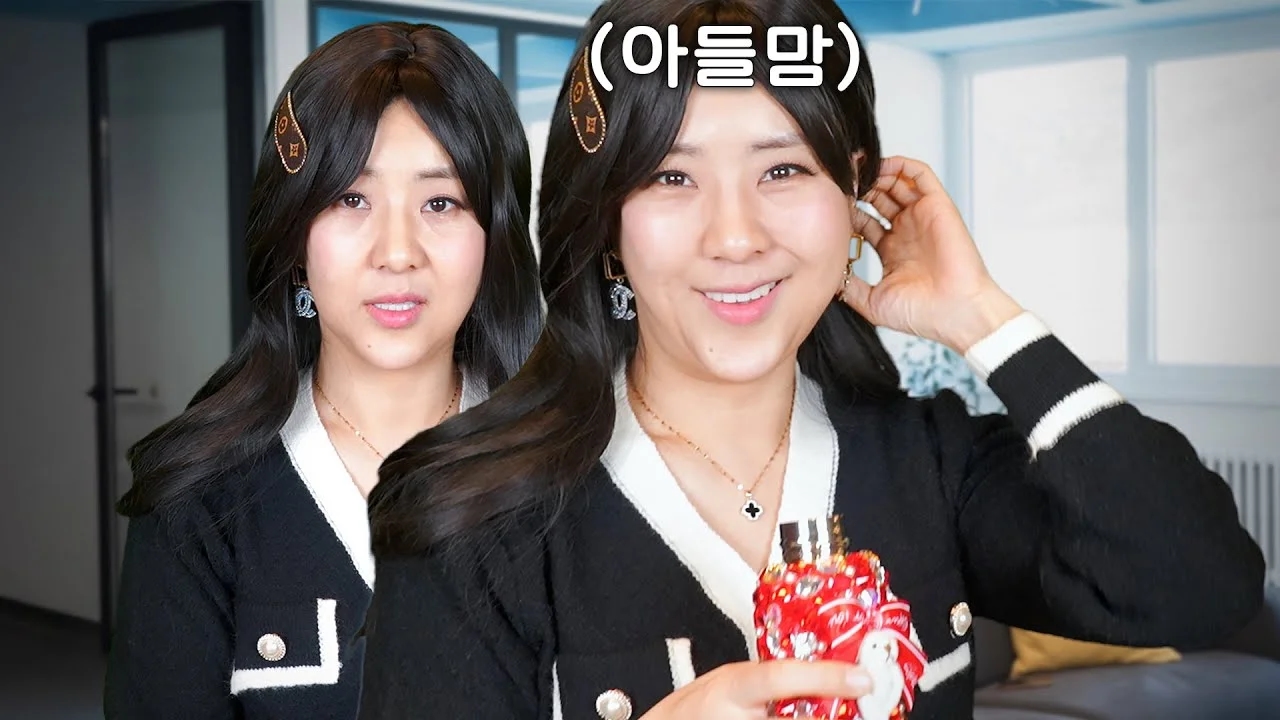


A hyperreal role-play skit by South Korean comedian Kang Yu‑mi has gone viral on YouTube, igniting a wide-ranging debate about gender bias and internalised misogyny in Korean society.
Uploaded on January 1 and titled “Middle-aged nammisae”, the video portrays a wealthy, image-conscious mother obsessively devoted to her son and conspicuously indulgent toward men at work. Nammisae is a derogatory slang term shortened from a phrase meaning someone “crazy about men”.
A character that mirrors everyday bias
Dressed head-to-toe in luxury labels, Kang’s character lavishes concern on male colleagues — asking if they are dressed warmly enough — while harshly judging female co-workers as “fake innocents” and women who “flirt with their eyes”.
Lines such as “Girls are too emotional” and “If a girl hits you, hit her back” have drawn sharp criticism, with viewers saying the skit highlights how patriarchal norms are often reinforced not only by men, but by women themselves.
Supporters argue the character exposes how internalised misogyny can turn women into enforcers of male-centred hierarchy, particularly in families and workplaces.
Viral success and artistic praise
The skit amassed over 1.4 million views within a day on YouTube, reaffirming Kang’s reputation as a pioneer of “hyperreal” online satire. Since her 2004 debut on Gag Concert, she has evolved from a television comic into a leading figure in character-driven digital comedy.
Her close-up camera work, whispered delivery and precise mimicry of verbal tics have led fans to call her Korea’s “No. 1 in observational comedy”, with some likening her approach to social anthropology.
Divided reactions online
Many viewers shared personal experiences that mirrored the skit. “I’m a cram school teacher and there are really many mothers like this,” one commenter wrote. Another added that sons are often granted unchecked entitlement.
However, backlash has been strong in parenting communities. Posts on online “mom cafes” criticised the term nammisae as hateful, arguing it unfairly stereotypes mothers of sons. Some asked why similar labels are not applied to fathers who are overly protective of daughters.
A wider cultural conversation
As reactions continue to pour in, Kang Yu-mi’s skit has moved beyond comedy into cultural commentary, forcing audiences to confront uncomfortable questions about gender, parenting, and the subtle ways bias is reproduced in everyday life.