







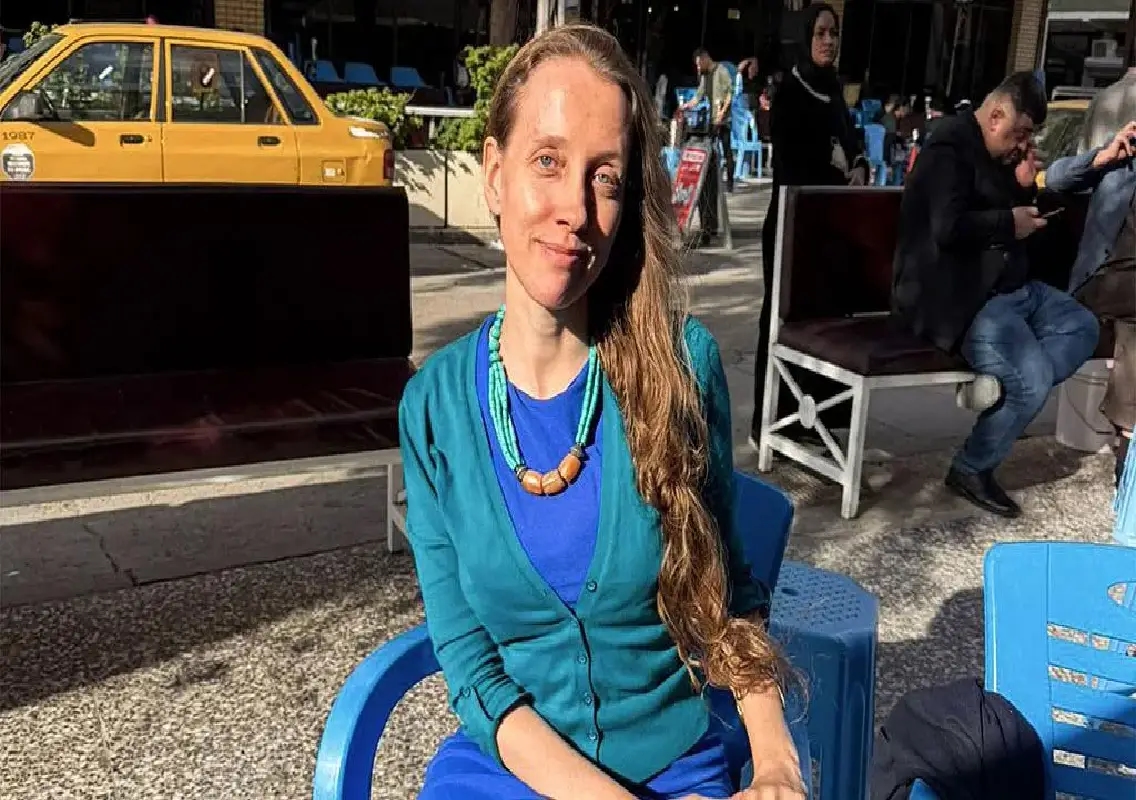


Baghdad: A US freelance journalist kidnapped in the Iraqi capital last week has been released, according to Marco Rubio, marking a significant development amid ongoing regional tensions.
The journalist, Shelly Kittleson, was abducted on March 31 and held for nearly a week before being freed. Officials said efforts are now under way to ensure her safe departure from Iraq.
Release linked to militia assurances
Earlier, the Iran-backed militia group Kataib Hezbollah had indicated that it would release Kittleson on the condition that she leave Iraq immediately.
Rubio stated that her release reflects the US administration’s commitment to the safety of its citizens worldwide. He also thanked Iraqi authorities for their assistance in securing her freedom.
Iraqi government response and investigation
At the time of the abduction, Iraqi security forces launched a pursuit of the suspects, which reportedly led to one of the kidnappers’ vehicles overturning and the arrest of at least one individual.
Following the incident, Iraqi Prime Minister Mohammed Shiaa al-Sudani directed security agencies to intensify efforts to track down those responsible for targeting foreign nationals.
Authorities have continued investigations to identify and apprehend others involved in the kidnapping.
Prior warnings and security concerns
Reports indicate that Kittleson had been warned by US officials prior to her abduction about potential threats. According to security sources, her name was allegedly on a list maintained by militia groups targeting foreign journalists.
Alex Plitsas, a friend and emergency contact of the journalist, said he had seen statements regarding her release but initially noted a lack of official confirmation from US authorities at that stage.
He had earlier revealed that Kittleson had received warnings about specific threats from Iran-backed paramilitary groups operating in Iraq.
Background and regional context
Kittleson, who is based in Rome, has reported extensively from conflict zones including Iraq, Afghanistan and Syria. Her work spans multiple international publications, focusing on war and security issues.
Her abduction came amid heightened tensions in the region, with ongoing attacks involving Iran and allied militias targeting US-associated assets following the broader conflict involving the United States and Israel.
The incident has once again highlighted the risks faced by journalists operating in volatile regions.
Travel advisory and safety concerns
The US State Department continues to advise its citizens against travel to Iraq due to security threats, including the risk of kidnapping and armed conflict.
Officials reiterated that ensuring the safety of Americans abroad remains a top priority, particularly in high-risk zones.
Conclusion
The release of Shelly Kittleson brings relief after a tense week, but also underscores the persistent dangers in conflict-affected regions like Iraq. As investigations continue and efforts are made to ensure her safe exit, the incident serves as a reminder of the complex security challenges facing journalists and foreign nationals in the region.