







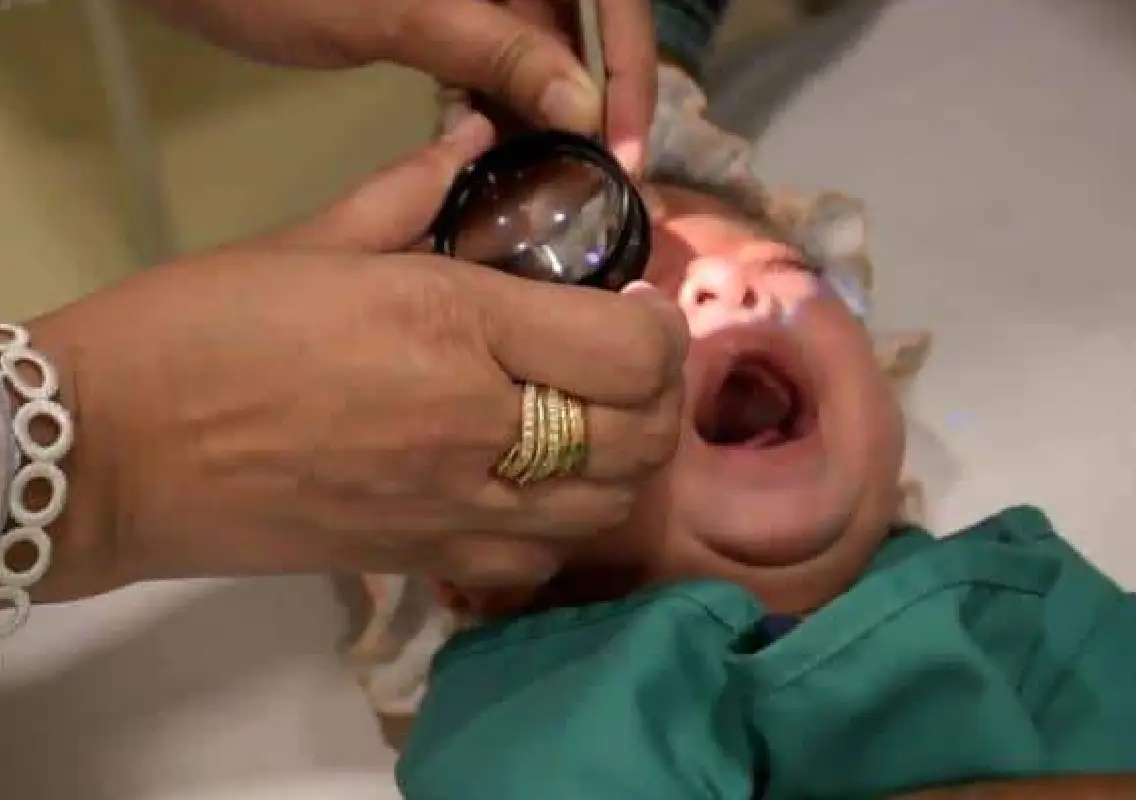


In war-affected Syria, doctors are witnessing a heartbreaking trend—infants losing their sight due to delayed diagnosis of a preventable condition.
Ophthalmologist Ahmad Alsyed Ali says he regularly sees children on the brink of blindness, often with no treatment options left. “By the time they reach us, it is too late,” he says.
A preventable condition turning fatal for vision
Most affected children suffer from retinopathy of prematurity (ROP), a condition where abnormal blood vessels damage the retina. While treatable if detected early, delayed diagnosis can lead to permanent blindness.
Globally, up to 30% of premature babies may develop ROP, with severe cases affecting 5–10%.
War-torn healthcare system struggles
Years of conflict have left Syria’s healthcare system fragmented and under-resourced. Routine screenings and primary care services remain limited, especially in rural and conflict-hit areas.
Although more neonatal intensive care units (NICUs) are emerging, there is no nationwide system to screen premature infants for ROP—leading to missed diagnoses and irreversible outcomes.
Global effort to build screening network
Doctors and experts from the Syrian American Medical Society are now working with local authorities to address the crisis.
Led by retina specialist Ahmad Al-Moujahed, the initiative aims to introduce structured screening protocols and telemedicine-based diagnosis systems.
The model allows trained technicians to capture retinal images and send them to specialists abroad for evaluation—expanding access in low-resource settings.
Training and early progress
Workshops conducted in Damascus have already trained dozens of ophthalmologists, with some hospitals beginning routine ROP screenings for the first time.
Experts say early detection can enable simple, low-cost treatments that prevent lifelong blindness.
Infrastructure challenges remain
Despite progress, major gaps persist. Many hospitals lack essential diagnostic equipment, and a significant portion of the healthcare workforce has left the country.
Funding is now being sought to expand screening programmes, train specialists, and procure necessary tools like retinal imaging devices.
Hope for a sustainable future
Organisers estimate an initial funding requirement of $200,000 to scale the programme. Plans include creating a global network of specialists and integrating screening into national health policy.
Experts emphasise that with timely intervention, thousands of children can be saved from avoidable blindness.
A race against time
For doctors like Ali, the mission is urgent. Each delayed diagnosis means another child losing the chance to see.
As Syria rebuilds, strengthening early healthcare systems could make the difference between a lifetime of darkness and a future of sight.