







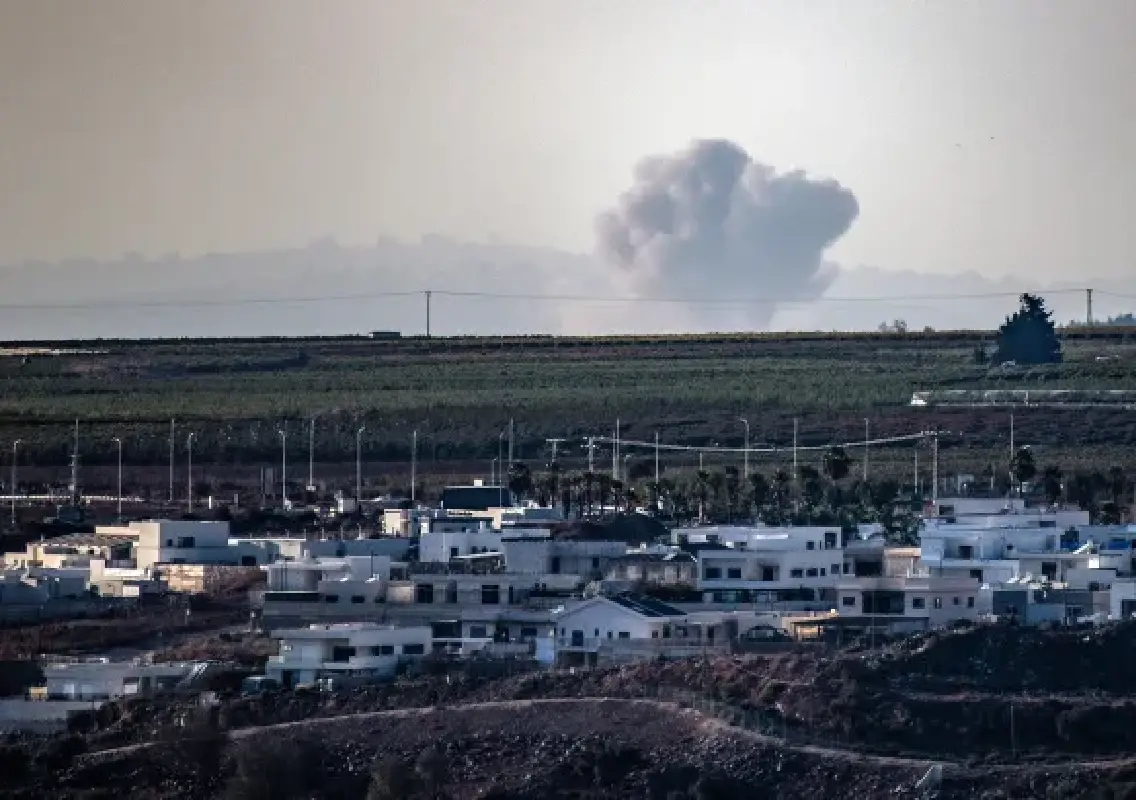


The death toll in Lebanon has surpassed 1,000 as Israeli bombardment continues across multiple regions, intensifying fears of a prolonged humanitarian crisis in the region.
Rising casualties and widespread destruction
According to reports, the ongoing strikes have caused extensive damage to infrastructure, including residential areas, roads, and essential services. Hospitals are struggling to cope with the rising number of casualties, while rescue teams continue to search for survivors under the rubble.
Thousands of civilians have reportedly been injured, and many more displaced as the situation worsens.
Escalation of regional tensions
The continued bombardment marks a significant escalation in hostilities between Israel and armed groups operating in Lebanon. The conflict has heightened tensions across West Asia, raising concerns of a broader regional spillover.
International observers have warned that the situation could further destabilise the region if immediate steps toward de-escalation are not taken.
Humanitarian crisis deepens
Aid agencies have expressed alarm over the deteriorating humanitarian conditions, with shortages of food, water, and medical supplies becoming increasingly severe. Displaced families are seeking shelter in overcrowded areas, compounding the risk of disease and further suffering.
Calls for humanitarian corridors and ceasefire agreements have grown louder as global organisations urge immediate intervention.
Global reactions and calls for ceasefire
Several countries and international bodies have called for restraint and renewed dialogue to prevent further loss of life. Diplomatic efforts are ongoing, but no immediate resolution appears in sight.
The rising death toll underscores the urgent need for humanitarian assistance and sustained international engagement to address the crisis.