







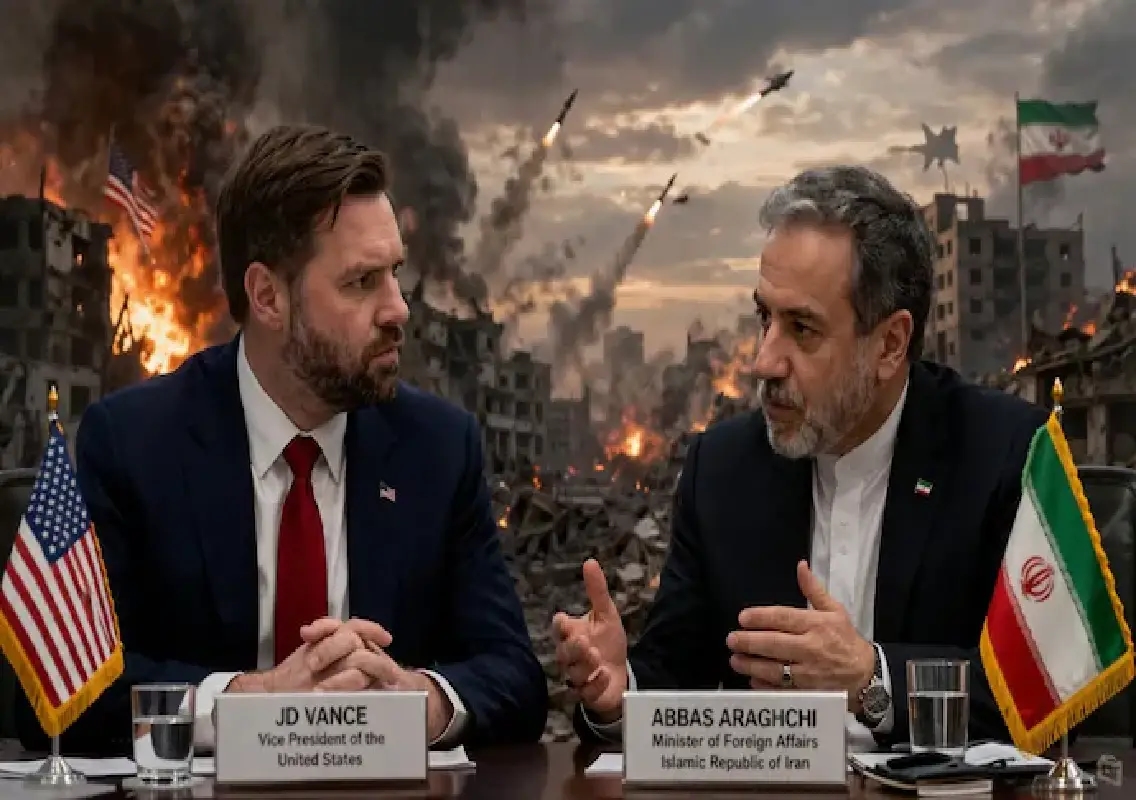


Islamabad: Efforts to broker peace in the Middle East continue despite a stalemate in recent negotiations, with mediators from Pakistan, Egypt, and Turkey actively working to bridge differences between the United States and Iran.
According to sources cited in reports, diplomatic engagements intensified on April 12, with foreign ministers from Egypt and Turkey holding separate discussions with their Pakistani counterpart. These talks were followed by conversations with US envoy Steve Witkoff and Iranian Foreign Minister Syed Abbas Araghchi.
Hope for breakthrough before April 21
Despite the lack of a breakthrough during the Islamabad talks, all sides remain cautiously optimistic about reaching an agreement before the ceasefire deadline on April 21.
A regional source described the situation as ongoing negotiation rather than deadlock, indicating that both sides are actively bargaining to reach a mutually acceptable deal.
An encouraging signal also came from Iran’s Ambassador to Pakistan, Reza Amiri Moghadam, who stated that the discussions had laid the groundwork for continued diplomacy rather than marking a failure.
Key sticking points remain
The primary disagreements during the 21-hour talks revolved around nuclear issues. The United States has been pressing Iran to halt uranium enrichment and relinquish its stockpile, while Iran is seeking the release of frozen financial assets in return.
These unresolved issues continue to be major obstacles in finalising a deal, even as diplomatic channels remain open.
US naval blockade adds pressure
Complicating the situation further is the impending US naval blockade targeting Iranian ports and coastal areas. The measure, announced by the United States Central Command, is set to be enforced against vessels of all nations operating in the region.
The blockade is expected to play a significant role in shaping upcoming negotiations, potentially increasing pressure on Iran to make concessions.
US President Donald Trump has repeatedly stated that the move is aimed at preventing Iran from using the Strait of Hormuz as leverage in the talks.
Possibility of escalation
Sources indicate that if the blockade does not yield results, the US may consider further escalation, including resuming airstrikes. Potential targets could include key infrastructure such as power plants and railway lines, which had previously been mentioned by the US administration.
Such developments could significantly impact the fragile ceasefire and complicate diplomatic efforts.
US leadership remains hopeful
US Vice President JD Vance, who led the American delegation in Islamabad, has expressed optimism about reaching a deal.
Officials described the recent talks as “tough but productive,” noting that both sides had engaged in meaningful exchanges despite differences. However, Iranian officials have claimed that negotiations were close to success before a shift in US demands, a claim that remains unverified.
Conclusion
While significant challenges remain, ongoing diplomatic engagement by multiple mediators has kept hopes alive for a resolution. With the ceasefire deadline approaching and tensions high, the coming days will be crucial in determining whether negotiations can yield a breakthrough or lead to further escalation in the region.