







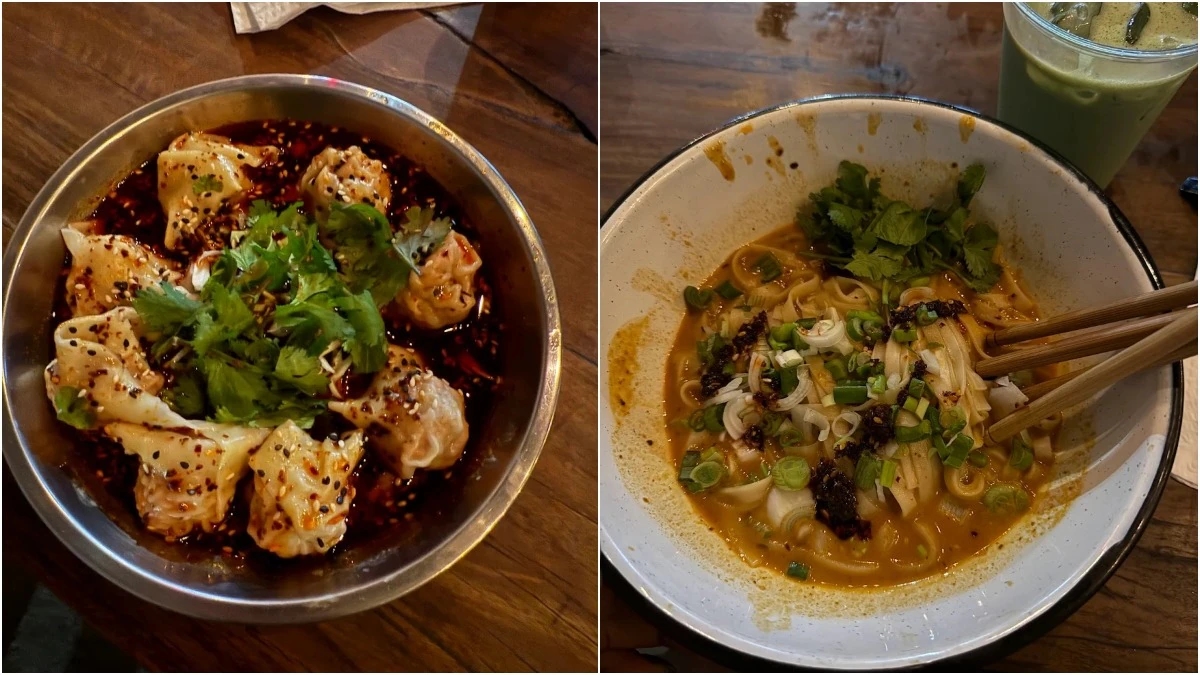


A restaurant in Mexico has triggered a global online debate after its unusually aggressive response to a Google review by an Indian diner went viral, drawing millions of reactions across social media.
The controversy centres on Wang Tulum, an authentic Chinese restaurant in Tulum, whose sharply worded reply to a three-star review has divided opinion on how businesses should handle customer feedback.
The review that sparked the backlash
The original review was posted by Anvita Kotha, who described her experience as largely positive but not exceptional. She ordered dan dan noodles and dumplings in chilli oil, noting that while the food was “not bad”, it lacked spice despite requesting extra chilli oil and adding salt.
She rated the food three out of five stars, praised the service and ambience, complimented the matcha latte, and highlighted the availability of vegetarian options and group-friendly seating.
Restaurant’s response shocks the internet
What followed stunned readers. The restaurant posted a long and sarcastic reply, mocking the expectation that chilli oil must be spicy and dismissing the idea of customising dishes to individual tastes.
The response opened with a biting remark suggesting the kitchen should “hurry” to change recipes because a Google reviewer was visiting. It went on to argue that chefs have the right to cook according to their own culinary philosophy and suggested dissatisfied diners should “open your own damn restaurant”.
The restaurant defended its flavour balance over extreme heat and emphasised its use of high-quality ingredients, including ceremonial-grade matcha, stating it would not alter recipes to meet personal preferences.
Viral reaction and divided opinions
Screenshots of the exchange were shared on X by user @whizwang, who called it “the most unhinged response to a Google review” they had seen. The post has since crossed 1.4 million views.
Online reactions were sharply divided. Some criticised the restaurant for unnecessary hostility, while others applauded what they saw as unapologetic honesty and artistic integrity.
Several users joked about the increasing typos in the response, while others admitted the drama made them curious to visit the restaurant. Some defended the chef, noting how personal food criticism can feel for those deeply invested in their craft.
Bigger questions on reviews and culture
The episode has reignited debate on online food reviews, cultural differences in taste, and the fine line between defending creative vision and maintaining professional customer relations.
While reviews remain a key decision-making tool for diners, the viral clash highlights how expectations, especially around spice and flavour, can vary widely across cultures.