







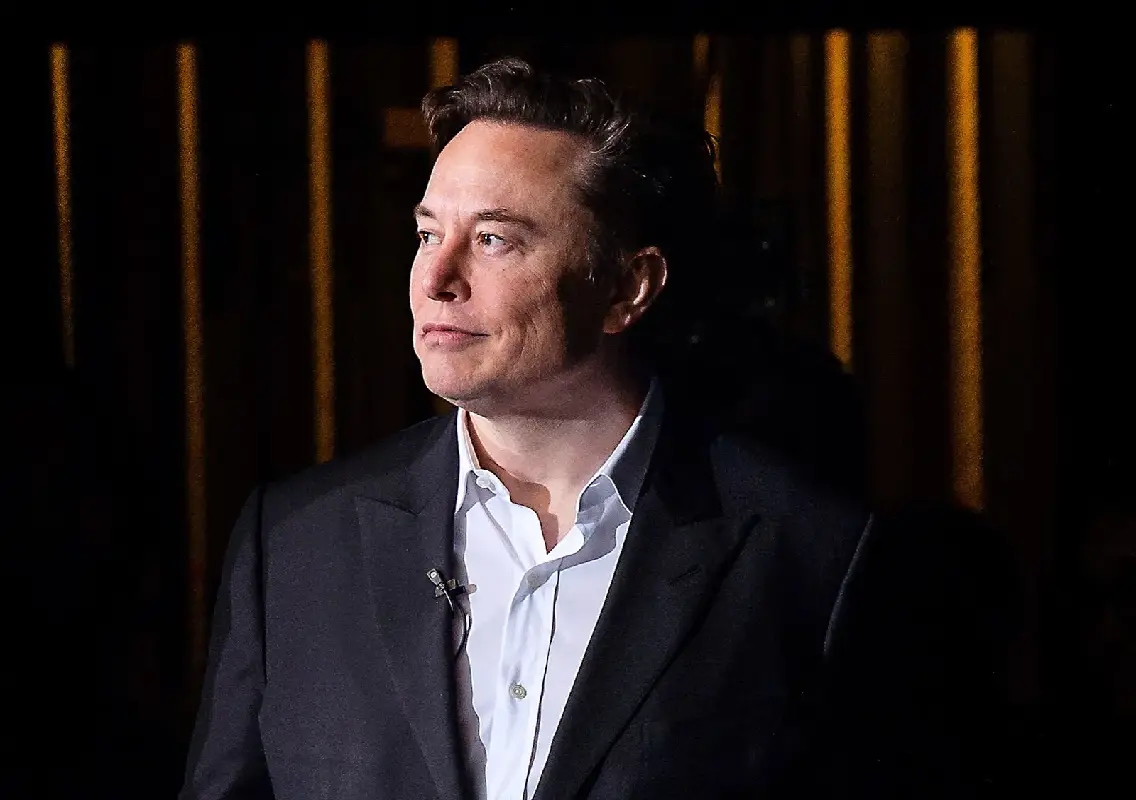


United States: Billionaire entrepreneur Elon Musk has announced an ambitious new initiative to manufacture advanced chips for artificial intelligence, robotics, and data centres—including in space—marking one of his most futuristic ventures to date.
The project, named “Terafab”, will be developed near Austin, Texas, and aims to produce up to one terawatt of computing power annually. The initiative will be jointly led by Tesla and SpaceX.
Massive computing ambitions
Musk revealed that the Terafab facility would target the production of one terawatt (one trillion watts) of computing power per year—an output close to the total power generation capacity of the United States.
The project also envisions manufacturing chips capable of supporting between 100 and 200 gigawatts of computing power on Earth, with a long-term goal of achieving similar capacity in space-based systems.
An advanced fabrication unit in Austin will handle the complete lifecycle of chip production, including design, manufacturing, testing, and iterative improvements.
Driven by rising demand
According to Musk, the decision to build Terafab stems from the rapidly growing demand for computing power within Tesla and SpaceX operations.
He acknowledged existing partnerships with global semiconductor giants such as Samsung, TSMC, and Micron, but noted that their expansion pace may not meet future requirements.
“There’s a maximum rate at which suppliers are comfortable expanding, and that is much less than what we need,” Musk said, indicating the necessity for in-house production capabilities.
Investment and timeline unclear
While Musk did not disclose the initial investment required for the Terafab project, earlier reports in US media have estimated costs between $20 billion and $25 billion (approximately ₹1.6 lakh crore to ₹2 lakh crore).
No official timeline has been provided for the commencement of production or scaling of operations. Musk, known for setting ambitious targets, has previously faced criticism for optimistic timelines on large-scale projects.
Space-based manufacturing vision
A distinctive aspect of the Terafab initiative is its long-term goal of manufacturing chips in space. Musk suggested that this would be crucial for supporting future technologies in artificial intelligence, robotics, and interplanetary exploration.
The move aligns with his broader vision of expanding human civilisation beyond Earth. He stated that Terafab could play a key role in enabling humanity to become a “galactic civilisation” capable of utilising resources from other planets and stars.
Industry implications
If realised, the Terafab project could significantly reshape the global semiconductor industry, which is currently dominated by a handful of large players.
By bringing chip manufacturing in-house, Tesla and SpaceX could reduce dependence on external suppliers and gain greater control over production timelines and technological innovation.
However, experts note that semiconductor manufacturing is one of the most complex and capital-intensive industries, requiring deep expertise, precision engineering, and a robust supply chain—areas where Musk’s companies have limited direct experience.
Conclusion
Elon Musk’s Terafab project represents a bold step toward meeting the growing demand for computing power while pushing the boundaries of space-based manufacturing. While the vision is ambitious and transformative, its success will depend on overcoming significant technical and financial challenges in the years ahead.