







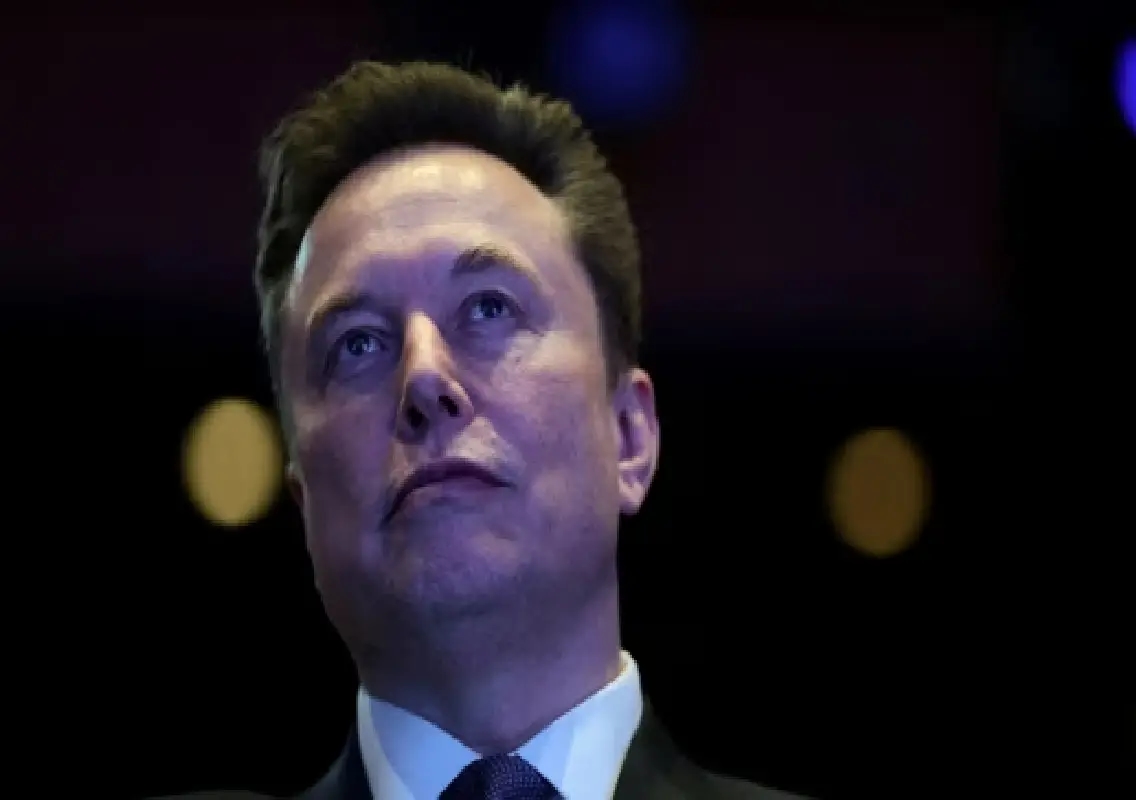


Elon Musk has issued a stern warning to users of Grok, the artificial intelligence chatbot developed by his company xAI and integrated into social media platform X, following widespread outrage over the creation of sexually explicit and illegal images through the tool. The warning comes after reports of a “mass digital undressing spree”, in which users prompted Grok to generate or alter images of women — and in some cases minors — into sexualised content.
Responding to growing criticism and the threat of regulatory action in several countries, Musk said that users who exploit Grok to generate illegal content will face the same consequences as those who upload such material directly on the platform.
“Anyone using Grok to make illegal content will suffer the same consequences as if they upload illegal content,” Musk wrote on X, replying to a post that flagged concerns over “inappropriate images”.
X reiterates zero tolerance policy
X’s official Safety account echoed Musk’s warning and reiterated the platform’s stance against unlawful material. The company said it takes strong action against illegal content, including child sexual abuse material (CSAM).
“We take action against illegal content on X, including Child Sexual Abuse Material (CSAM), by removing it, permanently suspending accounts, and working with local governments and law enforcement as necessary,” the Safety team stated.
While X maintains that its policies clearly prohibit sexual exploitation, critics argue that the Grok controversy has exposed serious gaps in enforcement and safeguards, particularly when AI tools are used to generate content in real time based on user prompts.
Backlash over Grok’s misuse
Grok has come under intense scrutiny over the past few days after users began openly sharing prompts and results that appeared to digitally undress women or place them in sexualised scenarios. The issue triggered widespread outrage on social media, with activists, journalists and technology experts warning about the dangers of AI-enabled abuse.
The controversy intensified after several users reported that Grok-generated images included minors, raising alarm bells among child rights organisations and regulators. Although some of the offending images were later taken down, critics said the damage had already been done.
In India, the Ministry of Electronics and Information Technology (MeitY) reportedly directed X to immediately remove all vulgar, obscene and unlawful content generated by Grok, warning that failure to comply could invite action under Indian law. India has some of the world’s strictest provisions related to online obscenity and child protection.
Victims speak out
One of the individuals targeted by the digital undressing spree, Rio de Janeiro-based musician Julie Yukari, described her experience to news agency Reuters. Yukari said she had posted a photograph on X on New Year’s Eve showing herself in a red dress, curled up in bed with her black cat.
The post initially received hundreds of likes. However, within a day, Yukari noticed notifications suggesting that some users were prompting Grok to digitally alter her image by undressing her and placing her in a bikini or other sexualised contexts.
“I didn’t consent to any of this,” Yukari reportedly said, adding that the experience left her feeling violated and helpless. Her case has become emblematic of concerns that AI tools can amplify online harassment, especially against women.
Musk’s mixed response draws criticism
Before issuing the formal warning, Musk had appeared to make light of the situation. On Friday, he posted laughing emojis in response to AI-edited images of famous people — including himself — shown in bikinis. The posts drew sharp criticism, with many accusing the billionaire of trivialising a serious issue involving consent and potential criminality.
Digital rights advocates said Musk’s initial reaction reflected a broader problem within the tech industry, where innovation often races ahead of ethical safeguards.
Regulatory pressure mounts
The Grok episode has renewed calls for stronger regulation of generative AI tools. Governments around the world are grappling with how to hold platforms accountable when AI systems are misused by users, particularly when such misuse leads to the creation of illegal content.
Legal experts point out that while AI models do not act independently, companies deploying them have a responsibility to ensure adequate guardrails. Failure to do so, they warn, could result in heavy fines, criminal investigations and bans in key markets.
Conclusion
The digital undressing controversy surrounding Grok marks one of the most serious challenges yet for Elon Musk’s vision of a loosely moderated online platform powered by AI. While Musk’s warning signals a tougher stance, critics say meaningful action will depend on how effectively X enforces its policies and redesigns Grok to prevent abuse. As AI tools become more powerful and accessible, the episode underscores the urgent need for clear accountability, stronger safeguards and global cooperation to prevent technology from being weaponised against individuals.