







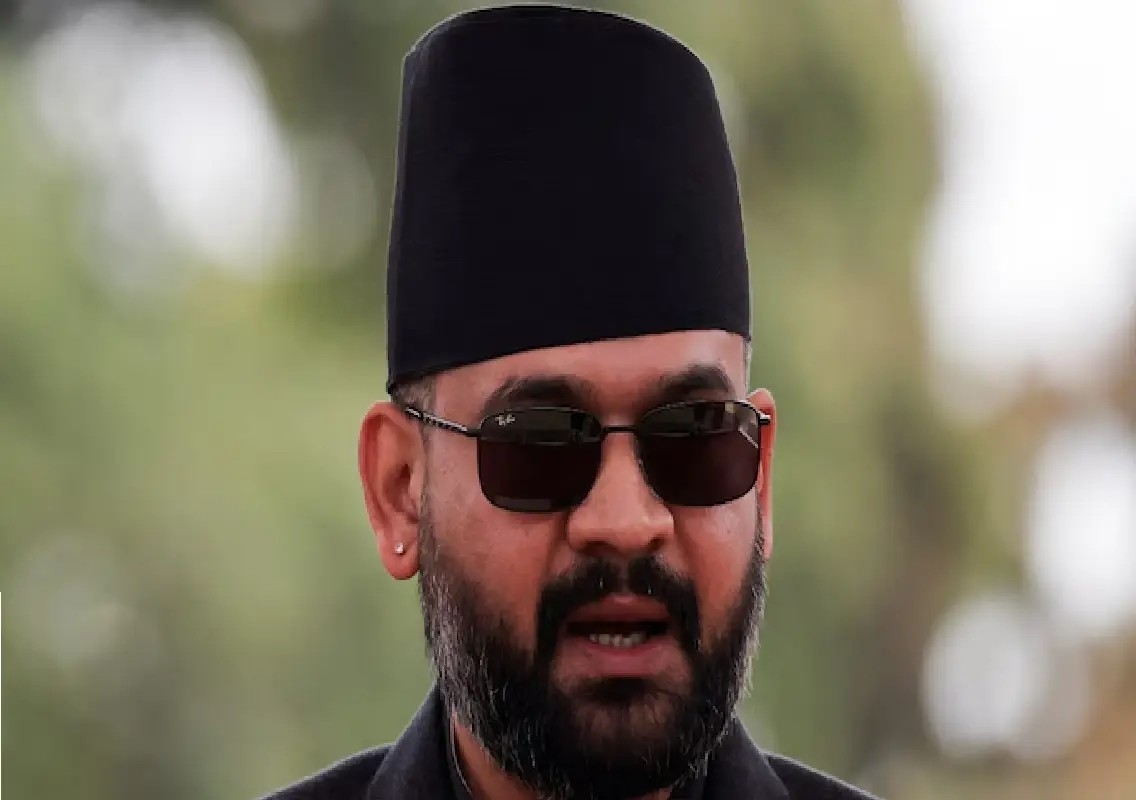


Nepal: In a major administrative overhaul, President Ramchandra Paudel has issued an ordinance cancelling more than 1,500 public appointments made before March 26, marking a significant move by the country’s new government.
The ordinance, titled “Ordinance on Special Provisions for the Removal of Public Office Bearers, 2083,” was issued on the recommendation of the Council of Ministers, according to local media reports. The decision follows a political transition after recent elections that brought a new leadership to power.
Political shift behind decision
The newly formed government, led by Balendra Shah and backed by the Rastriya Swatantra Party, came to power after the March 5 elections. The party’s rise was fuelled by widespread public dissatisfaction with traditional political parties and momentum from the 2025 ‘Gen Z’ protests.
Officials say the ordinance is aimed at removing politically influenced appointments made by previous administrations, including those during interim governance phases.
Over 1,500 officials removed
Reports indicate that around 1,594 politically appointed office bearers across multiple sectors have been dismissed following the ordinance. The provision mandates automatic termination of all appointments made before March 26, regardless of tenure or contractual terms.
This has led to vacancies across several important institutions, raising concerns about continuity and governance.
Key institutions affected
The sweeping decision has impacted a wide range of public bodies, including state-owned enterprises, regulatory authorities, universities, and media organisations.
Major institutions such as the Nepal Electricity Authority, Tribhuvan University, BP Koirala Institute of Health Sciences, Nepal Airlines Corporation, and Gorkhapatra Sansthan are among those facing leadership gaps.
The absence of key office bearers is expected to affect routine functioning, particularly where authorised signatories are required for decision-making and operations.
Concerns over service disruption
Experts and critics have warned that the large-scale removal of officials could disrupt essential services, especially in sectors like healthcare, education, and public administration.
Many institutions may face operational challenges in the short term due to the sudden vacancies, potentially affecting service delivery and governance efficiency.
Government defends move
Government representatives have defended the ordinance, stating that it is necessary to improve transparency, accountability, and institutional integrity. They argue that politically motivated appointments undermine governance and must be reviewed.
However, authorities have not yet outlined a clear timeline or process for filling the vacant positions, adding to uncertainty across affected sectors.
Conclusion
While the ordinance reflects the new government’s intent to reset administrative structures, its large-scale impact has raised questions about continuity and efficiency. The coming weeks will be crucial in determining how quickly Nepal can stabilise its institutions and ensure uninterrupted public services.