







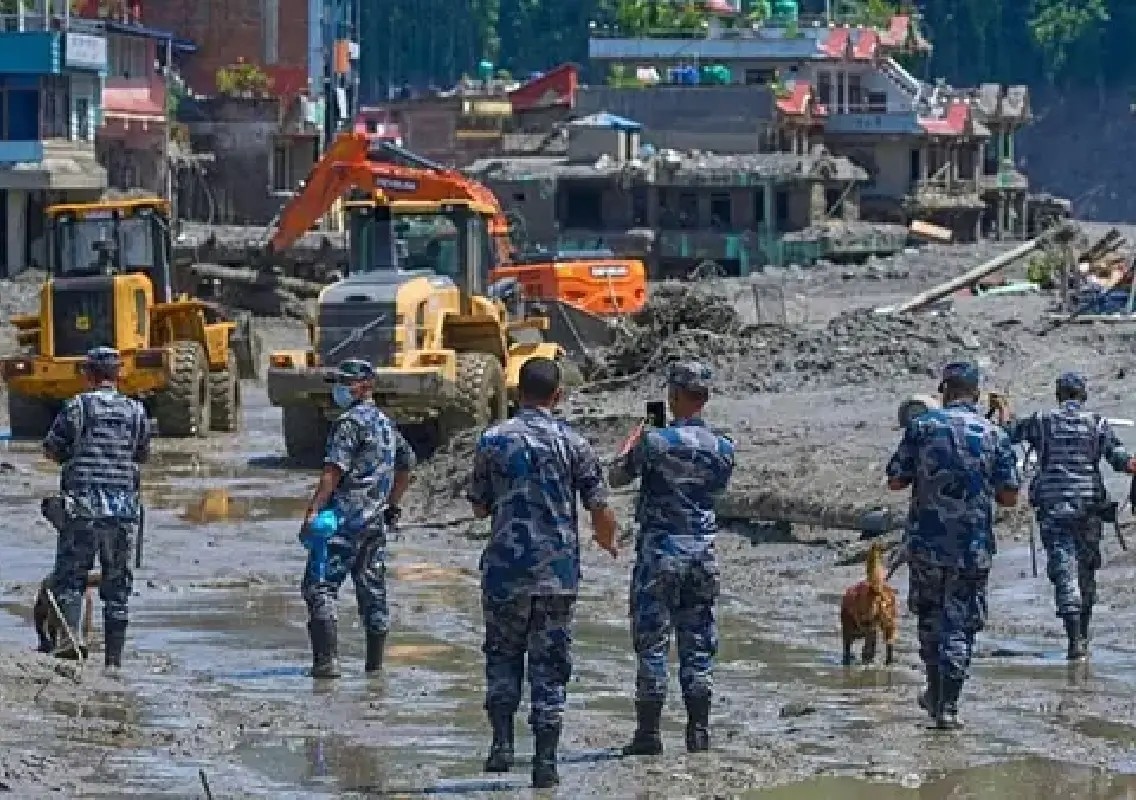


Kathmandu: Nepal has declined offers from several countries to deploy search and rescue teams following devastating flash floods that have killed at least 469 people and left hundreds missing. The government has said its own security agencies are capable of leading the operation.
Nepal chooses to lead rescue operations
Search teams continue to comb through mud and debris along the Bhote Koshi and Trishuli river systems near the Nepal-China border, where catastrophic flooding struck on Wednesday.
India, China, the United States, the United Kingdom, Japan, South Korea, Sri Lanka and Bangladesh were among those that offered search and rescue assistance. India had also sought permission to deploy National Disaster Response Force personnel after reports of missing Indian nationals. Nepal declined the request.
2015 earthquake shaped the decision
Nepal’s decision is partly linked to its experience after the devastating 2015 earthquake. Officials said the arrival of numerous international rescue teams created coordination and management difficulties when the country’s infrastructure and communication systems were already under severe pressure.
This time, Kathmandu wants to maintain a clear domestic chain of command while coordinating international assistance through centralised channels.
Foreign aid is still being accepted
While Nepal has declined foreign search and rescue teams, it is accepting humanitarian supplies and financial assistance. The government has asked countries willing to help to channel contributions through a single mechanism, with further international support expected during rehabilitation and reconstruction.
The disaster has also affected foreign nationals, including tourists and pilgrims. Nepal has established an Emergency Response Team to coordinate information, search efforts and consular assistance for those missing or affected.
The rescue operation remains challenging as authorities continue searching for survivors and missing people amid damaged roads, bridges and difficult terrain.