







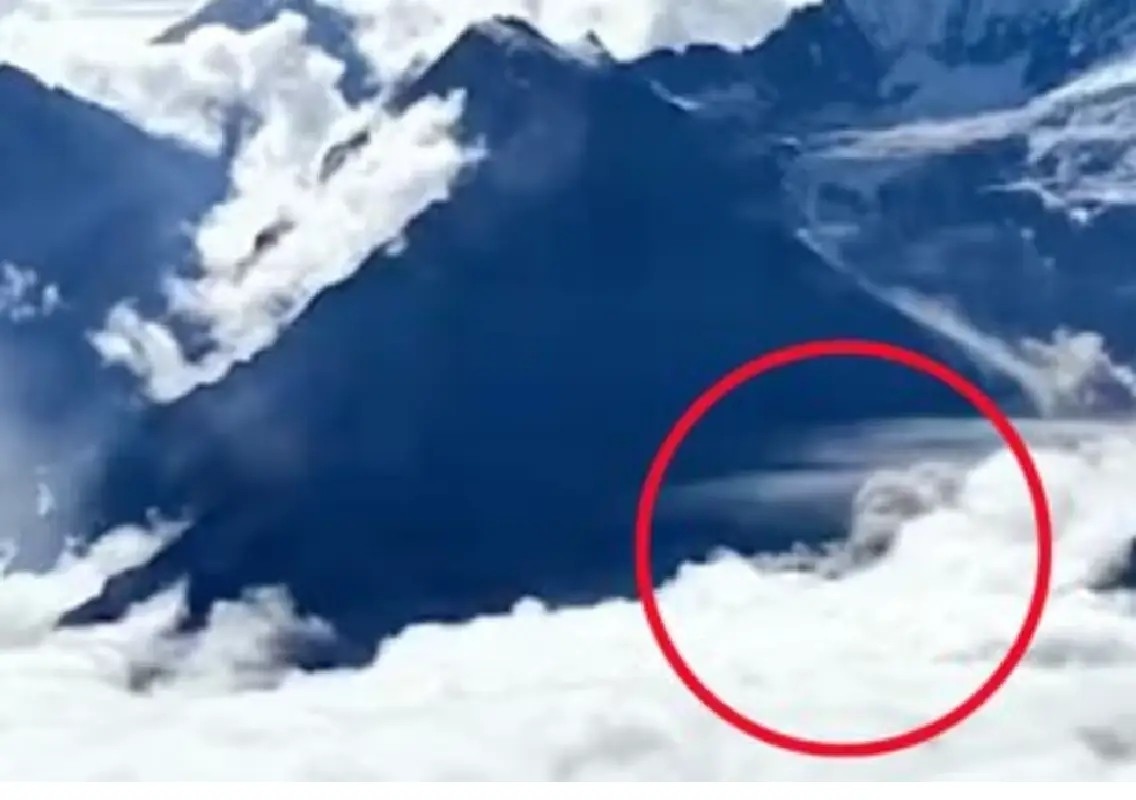


The devastating floods that swept through Nepal have brought renewed attention to the growing climate risks facing communities across the Himalayas. As glaciers melt and mountain slopes become increasingly unstable, disasters once considered rare are becoming a more serious concern.
The August 26 disaster in Nepal and neighbouring China killed more than 1,000 people and left thousands missing after a massive surge of water, rocks and mud swept through Himalayan river systems.
When one disaster follows another
For communities living in the mountains, the greatest challenge is not only surviving a disaster but finding enough time to recover.
Pema Tamang and her neighbours fled to a Buddhist shrine when floodwaters and debris tore through their village. The shrine itself had been rebuilt only the previous year after being destroyed in the 2015 earthquake.
Experts say warmer temperatures are contributing to the melting of high-altitude ice, increasing the risks of rockslides, avalanches and floods. One hazard can also trigger another, with landslides or avalanches blocking rivers before releasing destructive walls of water downstream.
A warning for the entire Himalayan region
The Hindu Kush Himalaya stretches across eight countries, including India, Nepal, Bhutan and China. Rivers originating in these mountains support the lives and livelihoods of nearly 2 billion people.
Recent disasters, including the Kedarnath floods of 2013, the Chamoli disaster of 2021 and the South Lhonak glacial lake outburst flood of 2023, have highlighted the vulnerability of Himalayan communities.
Scientists caution that it is too early to directly attribute the latest flood to climate change. However, rising temperatures are increasing the conditions in which such complex disasters can occur.
Can Himalayan communities keep rebuilding?
Climate experts warn that adaptation has limits. In some high-risk locations, repeatedly rebuilding homes and infrastructure may no longer be practical.
Stronger land-use rules, improved early-warning systems, better monitoring across borders and climate-risk assessments before constructing roads, bridges and hydropower projects could reduce future losses.
Nepal’s experience also raises an important question for the wider region: how can Himalayan communities prepare for a future in which recovery time between disasters may become shorter?
Despite contributing less than 0.1 per cent of global greenhouse gas emissions, Nepal is facing some of the harshest consequences of a warming planet. Its tragedy is therefore not only a national crisis but a warning for the entire Himalayan region.