







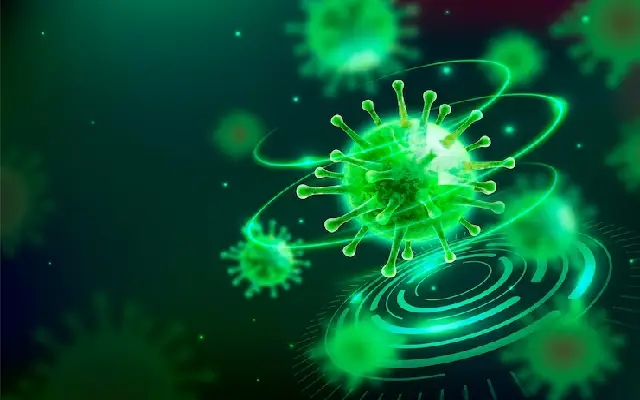


As Southeast Asian nations such as Singapore, Thailand, Hong Kong, and India experience a resurgence in COVID-19 cases, scientists in the U.S. have flagged concerns over a newly detected virus variant—HKU5-CoV-2—found in China. Experts caution that this strain may be just a minor mutation away from becoming highly contagious in humans, potentially triggering another global health crisis.
According to a report in the Daily Mail, the virus closely resembles the MERS (Middle East Respiratory Syndrome) virus, known for its high fatality rate—up to one-third of those infected. Initially discovered in bats during a 2020 study, the HKU5 variant was later examined by a team at Washington State University. Lead researcher Professor Michael Letko confirmed that the virus is capable of infecting human cells under lab conditions.
The study revealed that a subtle change in the spike protein of HKU5 could allow it to bind more effectively to ACE2 receptors in humans—similar to how COVID-19 enters the body. Although the virus currently only infects bats, the possibility of it adapting via an intermediate host has raised alarms among virologists.
Worryingly, HKU5 thrives in humid environments, which accelerates mutation and cross-species transmission risks. While there are no confirmed human cases yet, symptoms—if it spreads—are expected to mirror COVID-19 and MERS: fever, cough, shortness of breath, fatigue, and body pain.
Authorities are closely monitoring the mutation potential and urging preparedness.
Read Also: